[Bit#1] The Science of Coffee Naps: Why Caffeine and Sleep are the Ultimate Power Couple

1. The Adenosine Ambush: How Caffeine “Deceives” Your Brain

Falling asleep immediately after drinking coffee? At first glance, it sounds like a complete contradiction. How can caffeine, a stimulant, coexist with sleep? However, there is a sophisticated biochemical design hidden within this paradox. As we engage in daily activities, our brain accumulates a fatigue substance called adenosine. The moment adenosine binds to receptors in our brain cells, we begin to feel drowsy. It is the brain’s way of saying, “It’s time to rest!”
Interestingly, if you look closely at the molecular structure of caffeine, you will find something fascinating: it is remarkably similar to adenosine. Caffeine acts as an imposter, slipping into those receptors and preemptively occupying the space. While caffeine takes up the seat, it does not send the sleep signal that adenosine does. The problem is the adenosine already attached to the receptors. No matter how much caffeine rushes in, it cannot do its job if the seats are already taken.
This is where the magic of a nap comes in. While we close our eyes for a short break, the brain begins to clear out the accumulated adenosine. As these fatigue molecules detach, vacant spots open up. During this golden window, the caffeine we consumed earlier snatches those empty seats. By the time you wake up, caffeine has taken full control of your brain’s receptors. Ultimately, a coffee nap is a scientific trick that deceives the brain into not feeling tired. Why didn’t we know this sooner? This short, coordinated attack can transform your entire afternoon.
2. The 20-Minute Golden Window: Why Timing is Your Secret Weapon
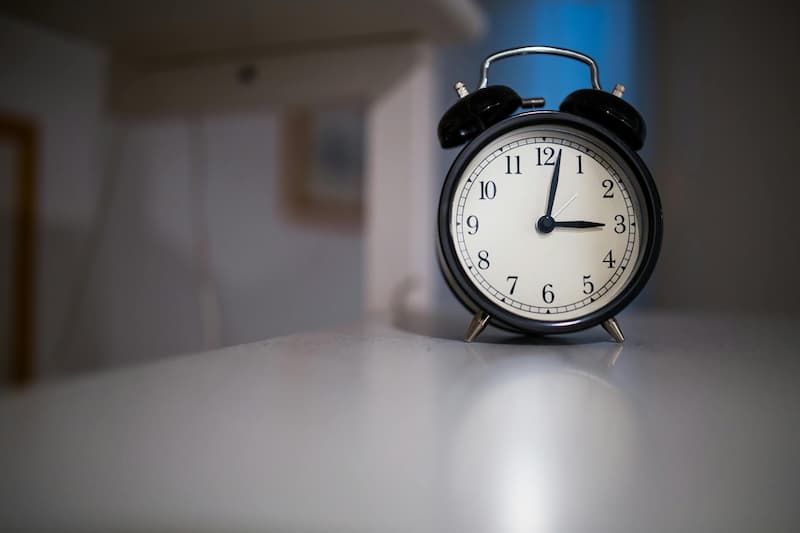
The key to a successful coffee nap lies in timing. Sleeping longer is not necessarily better; in fact, oversleeping can be counterproductive. Why is 20 minutes considered the golden window? First, it takes approximately 15 to 20 minutes for the caffeine you ingest to pass through the stomach and small intestine, enter the bloodstream, and reach the brain. This means if you fall asleep immediately after drinking coffee, the moment caffeine rings the doorbell of your brain, it aligns perfectly with the moment you wake up.
The stages of sleep are also crucial. Our sleep progresses from light to deep stages. Generally, it takes about 30 minutes to enter deep sleep. What happens if you sleep longer than that? The brain enters ‘slow-wave sleep’ mode. Waking up during this stage causes ‘sleep inertia,’ that groggy, heavy feeling where your body feels like lead. We have all had that experience of waking up more tired than before, haven’t we?
That is why the number 20 is vital. You must wake up just before falling into a deep sleep, right when the brain has cleared enough adenosine for caffeine to take over. A 20-minute rest acts like a ‘reset’ button for your brain. The exhilarating feeling of peak alertness the moment you wake up is incomparable. Set your timer for 20 minutes. Anything more is just an indulgence.
3. Evidence from the Lab: Why Science Bets on the Coffee Nap

It is not just a placebo effect. The efficacy of coffee naps has been scientifically validated by research institutions worldwide. Let’s look at a study from Loughborough University in the UK. Researchers divided sleep-deprived participants into three groups for a driving simulation test. Group one only drank coffee, group two only took a 20-minute nap, and the third group performed a coffee nap. The results were astounding. The coffee nap group committed significantly fewer driving errors and demonstrated overwhelmingly higher concentration levels.
Research from Hiroshima University in Japan follows the same logic. They found that individuals who took a coffee nap performed significantly better on memory tests compared to those who only napped or those who washed their face after waking up. Why such a difference? Simple rest only temporarily clears out fatigue substances, but a coffee nap immediately injects powerful ‘engine oil’ called caffeine into those empty spaces.
In the end, napping and caffeine are the ultimate partners that compensate for each other’s weaknesses. The nap clears the way for caffeine, and caffeine blocks the post-nap grogginess. It is a synergy where 1 plus 1 equals 5 or 10. Are you wasting energy fighting off afternoon drowsiness? There is a much smarter strategy than just surviving on a cup of coffee or mindlessly napping. Science already had the answer. Now, it is your turn to put it into practice.
4. Pro-Tips for Success: Temperature, Timing, and Sugar-Free Rules

Now that you understand the science, it is time to execute it correctly. You won’t succeed by just drinking any coffee. The most important factors are the type and temperature. An iced Americano is highly recommended over hot coffee. Why? We need to fall asleep as quickly as possible before the caffeine hits the brain. Sipping hot coffee takes time, which might lead to caffeine absorption before you even close your eyes, actually hindering your nap. The key is to consume the caffeine quickly with a cold drink and immediately shut your eyes.
Avoid lattes or instant mixes loaded with sugar and milk. Sugar spikes insulin levels, which can lead to a ‘sugar crash,’ making you feel even more sluggish. Pure black coffee is the ideal partner. Also, do not be discouraged if you cannot fall into a deep sleep. Even a ‘light rest’ with your eyes closed allows the brain to perform its adenosine-clearing task.
Finally, check your timing. The best time for a coffee nap is between 1 PM and 3 PM. Attempting a coffee nap after 4 PM can interfere with your nighttime sleep, as it takes longer than you think for half of the caffeine to leave your system(Caffeine Half-life). If your eyelids feel heavy this afternoon, why not try the 20-minute magic at your desk? A short comma in your day will fill your remaining hours with a completely different density. Set your alarm and close your eyes now!
![[Bit#31] The Origin of Life: From Chemical Evolution to the Birth of Cells](https://hiddenbitknowledge.com/wp-content/uploads/2026/05/f009466cf8b1-768x419.jpg)
![[Bit#82] Why Do Fingerprints Exist and Do They Really Never Change?](https://hiddenbitknowledge.com/wp-content/uploads/2026/07/main.fingerprint-768x385.jpg)
![[Bit#104] The Secret of Protein Folding: Why Structural Failures Cause Fatal Diseases](https://hiddenbitknowledge.com/wp-content/uploads/2026/07/main.protein-folding-768x429.jpg)
![[Bit#77] Cosmic Radiation and Its Fatal Impact on Human Genetics](https://hiddenbitknowledge.com/wp-content/uploads/2026/06/main.Cosmic-Radiation-768x430.jpg)
![[Bit#164] The Real Reason Your Tongue Craves Fatty Foods](https://hiddenbitknowledge.com/wp-content/uploads/2026/09/main.fat-food-768x419.jpg)
![[Bit#112] Rare Blood Type Rh-null: The Rarest Blood in the World](https://hiddenbitknowledge.com/wp-content/uploads/2026/08/main.rh-null-768x399.jpg)