[Bit#158] Why Do We Spill Food More Often as We Age?

Do you find yourself spilling food more frequently during meals? It is not merely a simple lack of attention. In fact, this is a subtle aging signal sent by your body’s nervous system and muscles. It is a physiological phenomenon occurring because the sensation in your fingertips, the strength of muscles around your mouth, and the signal transmission speed of your brain naturally change with age. So, how exactly does aging reduce our fine motor control abilities? Let us explore the neurophysiological principles behind this and consider how we can maintain physical control in daily life.
1. Degeneration of Fingertip Sensation and Fine Motor Nerves
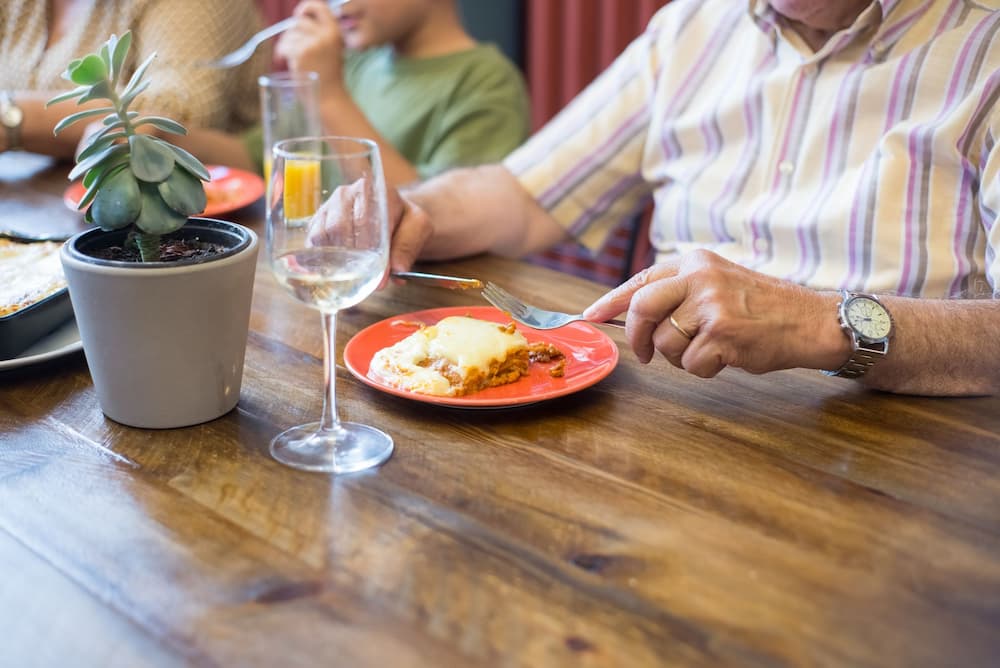
A sensory neural framework operates at your fingertips when you eat cereal or hold a knife and fork. The moment you pierce food with a fork, you must process the tool’s texture, weight, and handle slipperiness in milliseconds. Why? Tactile information measured at the fingertips must be accurately transmitted to the brain to finely adjust the grip strength of your finger muscles.
The problem is that the number of sensory receptors in the skin decreases significantly with age. In particular, Pacinian corpuscles and Meissner corpuscles, which detect fine vibrations and pressure, gradually diminish. As receptor density drops, the resolution of sensory information sent to the brain decreases. Consequently, the brain struggles to determine exact values for how tightly your fingers are holding a knife or spoon.
Grip control failure leads directly to utensil instability. Applying too little force causes a soup spoon to tilt in your hand, spilling its contents. Conversely, applying too much force misaligns the fork tips, flinging picked-up food off the plate. Unclear sensory feedback from fingertips prevents finding the right balance of force.
Simultaneously, signal transmission speed along peripheral nerves slows down. This occurs because the myelin sheath, an insulating layer surrounding nerve axons, thins due to aging. A time lag develops between sensory signals sent from fingertips and motor commands issued by the brain to finger muscles. Even if you detect a fork slipping, by the time the brain’s correction command reaches the muscles, the food has already dropped. This complex change in the peripheral nervous system is a primary reason for difficulty in finely manipulating dining tools.
2. Changes in Oral Muscles and Receptors During Chewing and Swallowing
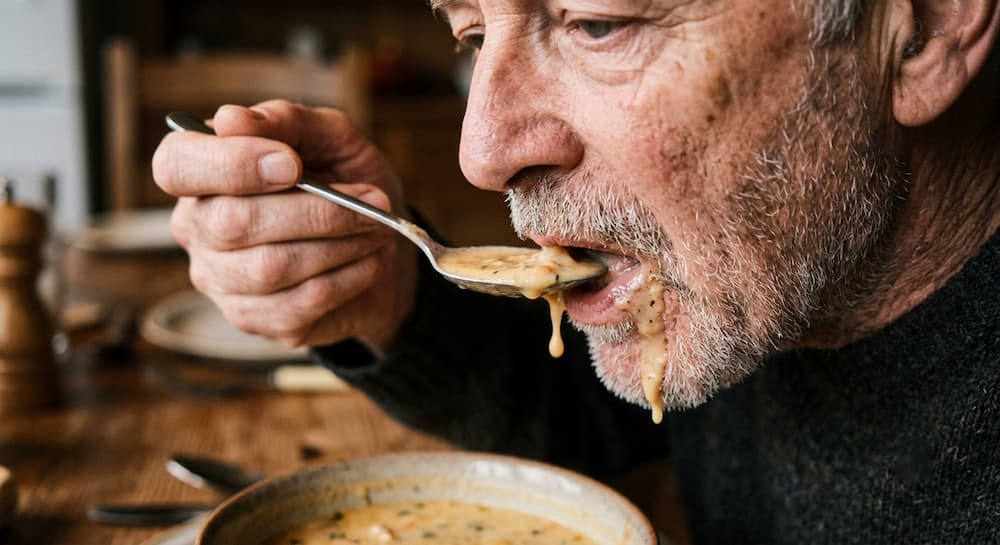
Is the cause of spilling food located only in the hands? No, it is not. The moment food reaches your mouth, close coordination between internal oral structures and surrounding facial muscles begins. Consider the action of placing a spoonful of food into your mouth and cleanly sweeping it off with your upper lip. Why? Even this simple movement requires precise feedback from the orbicularis oris muscle around the lips, the tongue, and receptors inside the cheeks.
However, the sensitivity of perceptual receptors handling fine oral movements drops noticeably as we age. Sensory cells distributed near capillaries in the tongue, palate, and inner cheeks gradually dull. As a result, real-time detection of the precise position, size, or liquid flow of food inside the mouth becomes difficult. Lips must form a tight seal when drinking soup or beverages, but dulled sensory feedback causes missed sealing timing.
Reduced flexibility and strength in oral muscles themselves also play a major role. While chewing and swallowing, the tongue pushes food between teeth while cheek muscles keep food within the dental arch. As aging progresses, lip-closing strength weakens and precise spatial control of the tongue declines. Consequently, soup spills out before swallowing, or food frequently leaks through the cheeks.
Ultimately, the combination of subtle sensory decline in oral receptors and muscle weakness causes a loss of control in the pre-swallowing stage. This issue becomes more pronounced with liquid or bulky foods. Even after moving food from hand to mouth, reduced oral sensory-motor integration makes neat food management difficult.
3. Delays in Brain Information Processing and Motor Control Signals
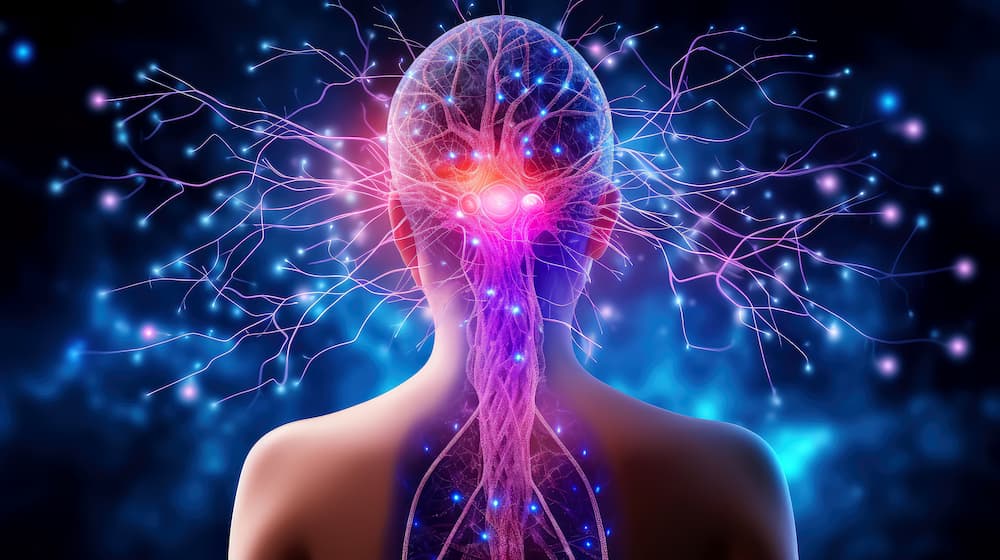
The entire process of holding food, moving it to the mouth, and swallowing safely occurs under the brain’s command. Sensory information from eyes, fingertips, and mouth muscles must be collected in real time. Why? The thalamus and cerebral cortex must synthesize this information to issue accurate movement commands to muscles for error-free dining.
However, central nervous system processing speed decreases with age. Transmission efficiency in the neural fiber network within the brain’s white matter declines. The secretion of neurotransmitters that exchange signals also decreases. Consequently, analyzing sensory information from fingertips or the mouth and calculating feedback takes more time than before.
This creates a time lag in motor control signals. While a spoon filled with food travels to the mouth, the brain continuously calculates its position and tilt to send corrective signals. Yet, as processing speed slows, corrective commands are not issued in time despite detecting subtle spoon wobbles. By the time the command reaches hand muscles, the spoon has already tilted and soup has spilled.
The cerebellum’s predictive capability also weakens. Originally, the cerebellum anticipates the next action and immediately corrects minor errors. As cerebellar responsiveness slows with age, even small shakes become difficult to handle. Ultimately, slowed brain response times and impaired error correction cause simple actions like lifting food without spilling to fail repeatedly.
4. Daily Neural Stimulation Methods to Maintain Physical Control
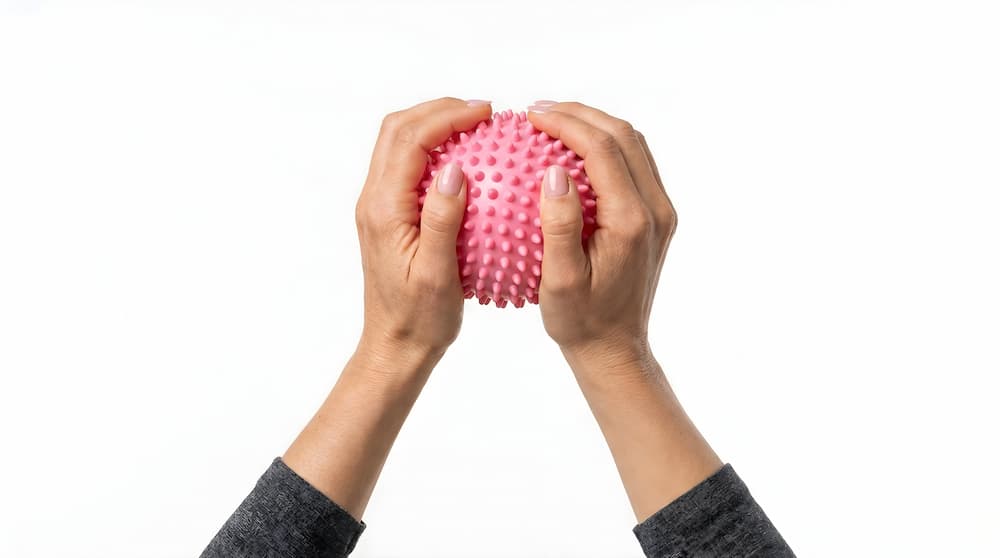
Is the decline in physical control as we age purely due to the passage of time? No, it is due to the principle of neural plasticity, where unused neural networks degenerate while continuously stimulated ones are preserved. Fine fingertip sensation, oral muscle tension, and brain signal transmission systems can be fully managed through small daily stimulations.
First, exercises that directly stimulate sensory receptors at fingertips are necessary. Practicing handling small balls of varying sizes or objects with different textures using fingertips is effective. Why? Even if sensory receptor density decreases, concentrating the signal sent to the brain from remaining receptors can be improved. Pressing fingertips together or picking up tiny objects before meals serves as a great warm-up to activate the brain’s fine motor regions.
Training to strengthen oral muscles and internal receptors must be done concurrently. Try closing your lips and firmly pushing the tip of your tongue against your palate and inner cheeks repeatedly. This resistance exercise maintains orbicularis oris closure strength and awakens tongue proprioception. It allows accurate detection of food position inside the mouth during chewing and swallowing, greatly helping prevent liquid leakage caused by weak lip seals.
Finally, multi-sensory training to enhance eye-hand coordination is crucial. Conscious effort to visually confirm positions and control tools slowly is needed. This secures sufficient time for the brain to collect sensory data and issue correction commands. The cerebellum’s error correction capability can slow its decline through continuous correction practice. Consistent daily neural stimulation is key to preserving dining neatness and long-term quality of life.
Conclusion
Spilling food with age is not a simple mistake, but a natural evolutionary shift in the intricate neural network connecting fingertips, mouth, and brain. While age-related decline in physical control cannot be stopped entirely, its progression can be slowed through small daily stimulations and training. How well do we understand and prepare for our body’s physical changes? Paying attention to subtle signals from our body during daily meals and making small efforts to awaken our senses will be the key to maintaining a healthier, more vibrant life over time.
![[Bit#168] Why Tears from Sadness and Onions Are Chemically Different](https://hiddenbitknowledge.com/wp-content/uploads/2026/09/main.tear_-768x419.jpg)
![[Bit#133] Tardigrade Survival Mechanics: The Biological Blueprint for Medicine and Biotech](https://hiddenbitknowledge.com/wp-content/uploads/2026/08/main.Tardigrade-768x419.jpg)
![[Bit#108] The Mitochondrial Twist: The Evolutionary Secret of Maternal Cellular Energy](https://hiddenbitknowledge.com/wp-content/uploads/2026/07/main.human-mitochondria-768x538.jpg)
![[Bit#157] The Science of Autumn Foliage: The Biochemical Secrets Behind Leaf Color Changes](https://hiddenbitknowledge.com/wp-content/uploads/2026/09/main.Foliage-768x419.jpg)
![[Bit#159] Secrets of Delayed Onset Muscle Soreness: Why Does It Hurt More the Next Day?](https://hiddenbitknowledge.com/wp-content/uploads/2026/09/main.after-pain-768x419.jpg)
![[Bit#14] Gray Hair and Hair Loss: A Play of Genetics or a Warning from Your Body?](https://hiddenbitknowledge.com/wp-content/uploads/2026/04/054ca0f2a0c3-768x512.jpg)