[Bit#164] The Real Reason Your Tongue Craves Fatty Foods
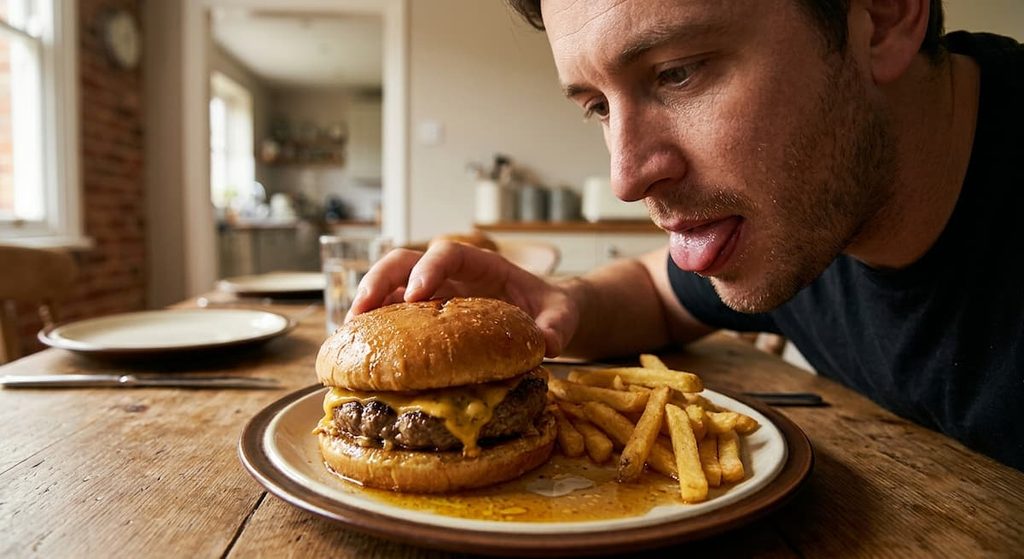
We have long been fascinated only by sweet, salty, and spicy flavors. However, our tongues have already been detecting a true taste beyond mere texture without us knowing. This article delves into the secret of fat taste receptors. We explore why we are constantly drawn to greasy foods and what this means for human evolution and modern health.
1. The 6th Taste Remembered by the Tongue: The Identity of Fat Taste
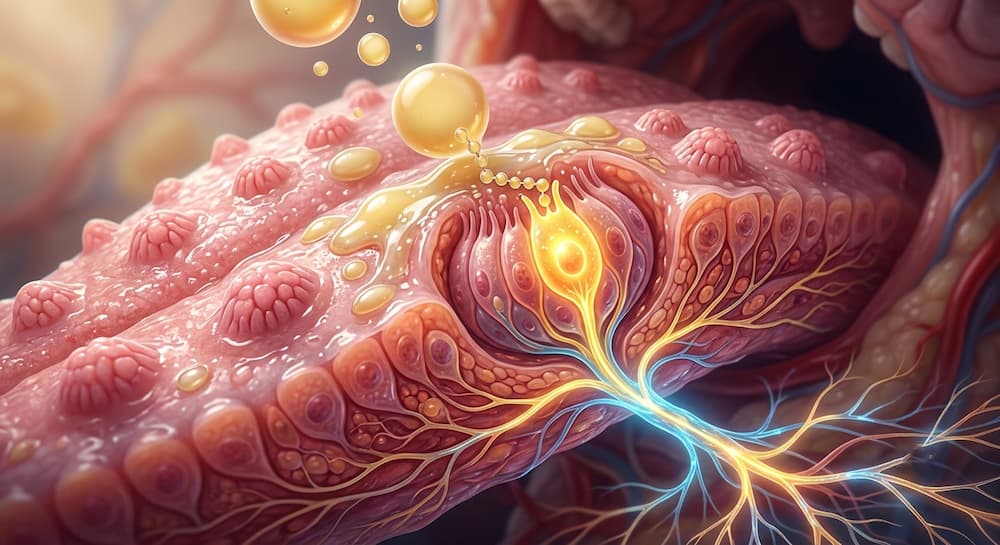
For a long time, we knew five basic tastes that the tongue could feel: sweet, salty, sour, bitter, and umami. However, the scientific community has recently recognized fat taste as an independent sixth basic taste. Fat is not just a texture or a savory aroma. It is a chemical taste signal directly perceived by taste cells on the tongue.
What happens the moment we put food containing fat into our mouths and chew? A tiny amount of enzymes mixed in saliva rapidly breaks down the fat. The free fatty acids produced at this time bind to dedicated receptors on taste cells. Electrical signals occur simultaneously with binding. This signal travels straight up the nerve tract to the taste perception area of the brain.
Why are humans so fascinated by fat taste? The answer lies in the survival history of humanity. To our ancient ancestors, fat was a solid survival resource. It was the ultimate calorie source that provided the most energy with a small amount. Only humans with taste sensors that quickly recognized fat survived starvation. The receptors in our mouths are tools for survival imprinted in our genes.
However, an era of abundance has arrived. Now, there is no need to roam the fields searching for high-calorie food. Nevertheless, the taste receptors on our tongues still operate in past survival modes. Every time we face greasy food, the brain releases strong pleasure signals. How do these receptors operate in the mouth to keep us from putting down our chopsticks? In the next section, we will uncover the operating mechanisms of the key locks, CD36 and GPR120.
2. Signals Shaking the Brain: CD36 and GPR120 Receptors
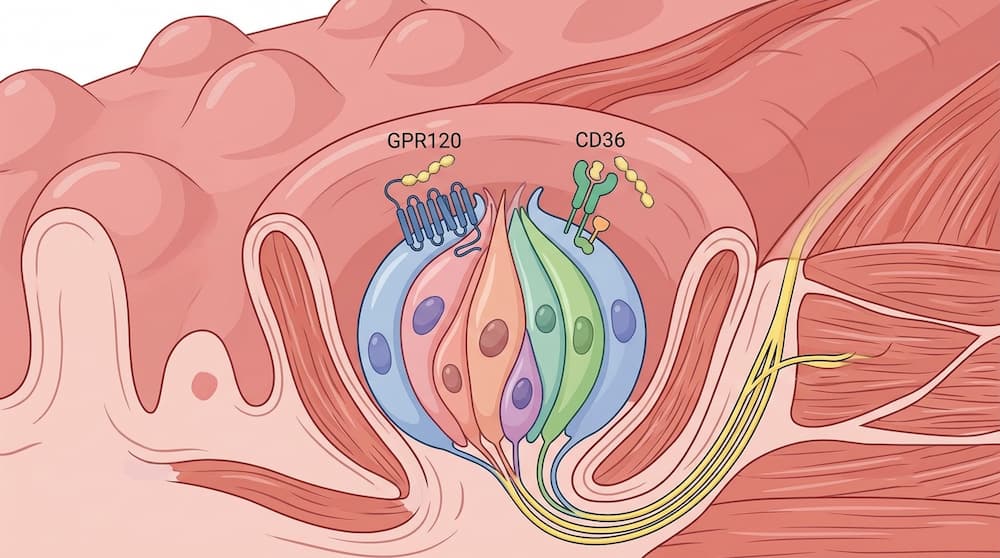
The moment greasy food enters the mouth, taste cells react explosively. This is because special protein receptors dedicated to lipids exist on the surface of cells inside our mouth. The representative protagonists are CD36 and GPR120. Why are we manipulated by these small proteins? The CD36 receptor acts as a sophisticated antenna that snatches fat molecules. Even if a tiny amount of fatty acid enters, CD36 detects it immediately. When the receptor binds with fat, calcium ions pour into the cell. This calcium wave instantly creates a taste signal heading to the brain. As soon as the signal arrives, the reward system of the brain activates. Dopamine, a pleasure chemical, bursts out, providing intense happiness. This mechanism is why we feel good when chewing crispy fried food.
What role does GPR120, another key player, perform? GPR120 recognizes long-chain fatty acids and sends signals throughout the digestive system. It does not stop at tasting food in the mouth. It sends a warning to the gastrointestinal tract to secrete digestive enzymes because huge calories will enter soon. Why was the brain designed to react so sensitively to fat signals? Fat is an efficient fuel that contains more than twice the energy of other nutrients. CD36 and GPR120 are perfect detection devices that encourage the brain never to miss this precious fuel.
However, if these receptors are constantly stimulated, the reward circuit of the brain easily overloads. How does a small chemical reaction starting at the tip of the tongue grow our appetite so enormously? Excessive stimulation of receptors reduces the sensitivity of taste cells and demands more fat. Ultimately, this powerful signal system that shakes the brain is the key to dictating the eating habits of modern humans. In the next section, we will uncover the shocking process where fat taste numbness connects to obesity.
3. Hide and Seek with Obesity: Why Senses Become Numb
How do cells in the mouth change when we continuously eat high-fat foods? The answer is paralysis of the senses. Numbed taste receptors invite obesity, and obesity makes taste numbed again. A vicious cycle of hell begins. Why does this phenomenon happen?
The key lies in the reduction of CD36 receptors. When fat is continuously consumed, the number of CD36 proteins on the surface of taste cells drops drastically. As the number of receptors decreases, the tongue cannot feel fat taste as sensitively as before. The minimum amount of fat required to feel richness increases. The numbed tongue demands greasier and more stimulating food. The brain does not receive satisfying pleasure due to the numbed signal. Eventually, we cannot stop eating to fulfill satisfaction.
Is this simply a matter of willpower? Absolutely not. This is a clear biochemical signal abnormality caused by a broken lipid detection sensor. In fact, the tongues of obese patients have a much higher threshold for sensing fat taste compared to people of normal weight. Much more oil must enter for the brain to recognize that fat has arrived.
A bigger problem is chronic inflammation occurring at the cellular level during this process. Inflammatory substances generated by a high-fat diet interfere with the regeneration of taste cells. Normal taste cells are replaced about every 10 days. However, under chronic inflammation, even newly born taste cells cannot function properly. A small sensory impairment starting at the tip of the tongue leads to a tragedy that breaks down the metabolism of the entire body.
4. Future Food Culture and Taste Rehabilitation Starting from the Tongue
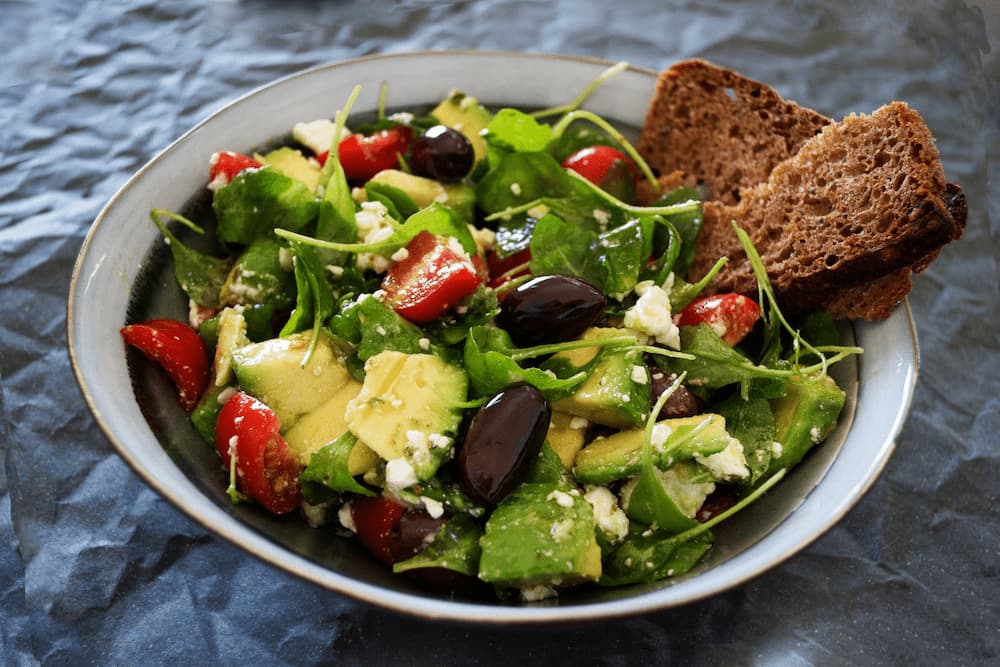
Is there no way to revive damaged taste receptors? Fortunately, our taste cells are not fixed for life. They constantly die and are born anew in cycles of about 10 to 14 days. Taste receptors numbed by a high-fat diet can also be fully restored through proper stimulation and diet changes. The key to taste rehabilitation is giving sensory cells in the mouth time to rest.
The first thing to practice is short-term fat restriction and a low-salt, low-sugar diet. When the strong chemical stimulation of greasy food decreases, the number of CD36 and GPR120 receptors on the surface of taste cells begins to increase again. Cell sensitivity recovers. The habit of chewing slowly during meals is also important. Chewing food for a long time spreads trace fatty acids evenly across the tongue, allowing receptors to send sufficient satisfaction signals to the brain with smaller amounts.
The future food industry is also paying attention to this receptor research. Taste-modulating substances that safely stimulate CD36 or GPR120 are under development. It is a technology that tricks the tongue into feeling perfect richness without adding actual fat or calories. An era where fake fat taste satisfies the reward system of the brain while preventing weight gain and metabolic disease is not far away.
The discovery of fat taste receptors has completely changed our criteria for choosing food. Beyond simple calorie intake, properly managing taste sensors is the new key to modern health management. Did you send a healthy signal to the receptors on your tongue today, or did you leave your senses to lipid addiction? A small effort to regain taste sensitivity will be the starting point to fundamentally change your life and metabolic health.
Conclusion
We have explored the sophisticated lipid detection system hidden at the tip of the tongue and the operating mechanisms of CD36 and GPR120 receptors. A perfect biological sensor that helped human survival in the past now throws an unexpected warning of obesity and metabolic abnormalities today. Ultimately, the reality of richness we constantly craved was a chemical signal created by the brain, not food.
Then what is the true pleasure of taste? Isn’t soothing the tongue paralyzed by stimulation and restoring the original sensitivity of receptors the first step in respecting our bodies? It is time to listen to the real voice conveyed by the fine antennas at the tip of the tongue.
![[Bit#145] Real Cause of Chronic Fatigue and Belly Fat: Unexpected Warning from Survival Hormone](https://hiddenbitknowledge.com/wp-content/uploads/2026/09/main.chonic-fatigue-768x419.jpg)
![[Bit#171] The Scientific Wonder of Breast Milk and Secrets of Bioactive Molecules](https://hiddenbitknowledge.com/wp-content/uploads/2026/10/main.breast-milk-768x512.jpg)
![[Bit#10] The Law of Viral Evolution: Why Are They Getting Deadlier?](https://hiddenbitknowledge.com/wp-content/uploads/2026/04/f00076102e67-768x512.jpg)
![[Bit#159] Secrets of Delayed Onset Muscle Soreness: Why Does It Hurt More the Next Day?](https://hiddenbitknowledge.com/wp-content/uploads/2026/09/main.after-pain-768x419.jpg)
![[Bit #153] Why Does Your Breath Turn White in the Cold? The Hidden Biology of Human Vapor](https://hiddenbitknowledge.com/wp-content/uploads/2026/09/main.winter-breath-768x512.jpg)
![[Bit#160] Why Do You Feel Extreme Thirst the Day After Drinking?](https://hiddenbitknowledge.com/wp-content/uploads/2026/09/main.drink-Thirst-768x419.jpg)