[Bit#63] Why Did Life That Once Hatched From Eggs Choose the Placenta?
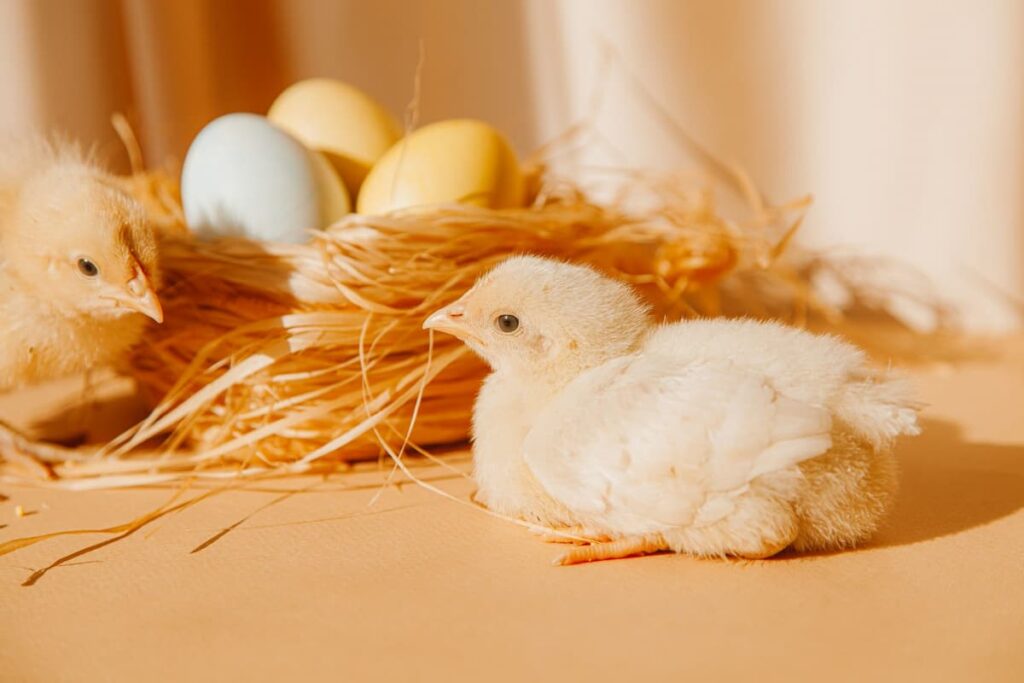
1. Reptilian Eggs: The Perfect Fortress for Survival
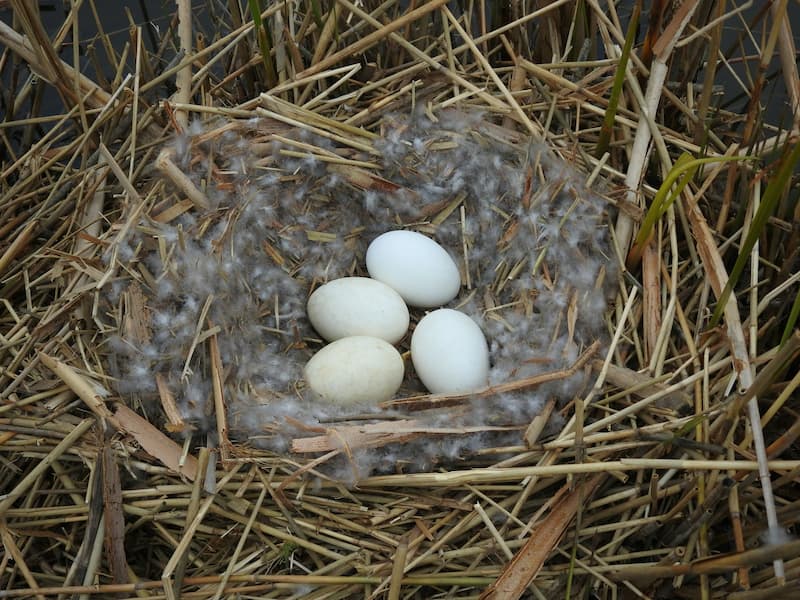
Tracing the history of life, we encounter the incredible invention of the egg. When reptiles first moved onto land, they had to leave the safety of the water. Protecting the embryo from drying out in the arid land was the key challenge for terrestrial survival. Thus, evolution opted for a method that sealed the embryo within a hard shell containing protective fluids. This is the egg we recognize today.
An egg is like a miniature planet. The shell blocks external impacts, while internal membranes prevent dehydration. It is packed with yolk, the essential nutrients for embryonic growth. For reptiles, the egg was a perfect fortress. As long as they hid their nests in safe spots, they could reproduce without the constant need for parental care. From an energy efficiency standpoint, no strategy was more economical.
However, there is a fatal weakness. Eggs are exposed to external temperature changes. The embryo inside lacks the ability to regulate its own body temperature. If the surrounding temperature drops or rises sharply, the embryo faces death. Furthermore, because eggs are excellent sources of protein, they were always coveted prey for predators. No matter how well you hid the nest, if it was discovered once, you lost all your offspring at once.
Why did evolution stick to such a dangerous method for so long? In fact, it was because the egg was an optimized survival tactic for spreading the species while minimizing energy in harsh environments. But the environment changed, and the intelligence of predators increased. The egg, once a safe fortress, was no longer safe. So, life made a bold choice to bring the egg inside the body instead of breaking out of it. What change led them to the revolutionary cradle called the placenta? Let us confirm that surprising turning point in the next section.
2. Breaking the Shell: The Revolutionary Shield of the Placenta
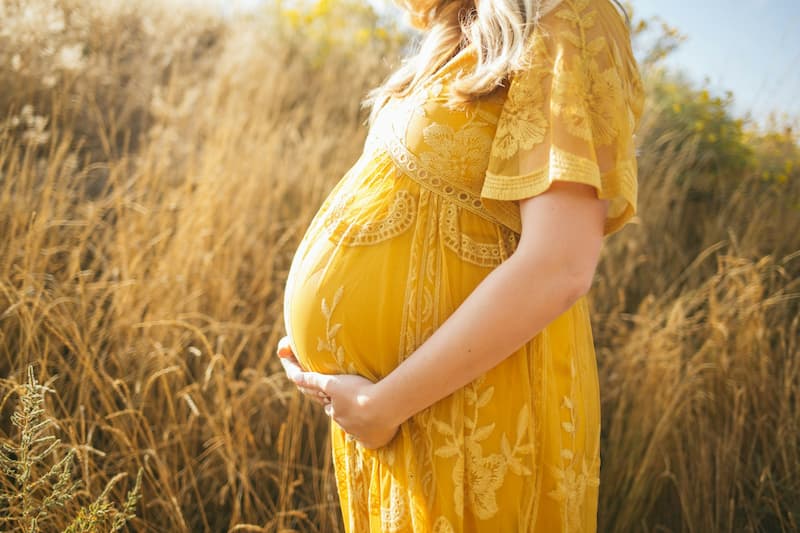
To overcome the limitations of the egg, life made a remarkable evolutionary leap. They chose to raise the offspring inside the body rather than outside. This led to the birth of the placental system. By securely anchoring the embryo within the mother’s uterus, it created a strategy that perfectly insulated it from external temperature fluctuations and predators. Why did evolution choose such an energy-intensive method?
The core of this method is the connection to the mother. The placenta is more than just a pouch to carry a baby. It acts as a sophisticated filter, delivering oxygen and nutrients from the mother’s blood via the umbilical cord while processing the embryo’s waste. No matter how harsh the environment, the uterus, with its stable temperature and guaranteed nutrients, is a sterile chamber where the embryo can grow most safely.
The inconvenience of having to hatch from an egg has also disappeared. The embryo can complete its physical organs while under the mother’s protection until it is ready for the world. Thanks to this, placental animals record a much higher survival rate than animals born from eggs.
However, this method comes at a price. The mother must pour in an immense amount of energy. She must share her nutrients, and her mobility decreases during pregnancy, increasing her risk of exposure to predators. Nevertheless, why did placental animals choose this dangerous path? It was a great evolutionary gamble that sacrificed the individual for the greater goal of the species’ prosperity. Thanks to this system, vertebrates were able to occupy almost every environment on Earth. So, why do animals that lay eggs still coexist around us? What is another powerful weapon that the egg possesses? Let us find the answer in the next section.
3. Why Eggs Persist: The Strategy of Animals That Still Lay Eggs
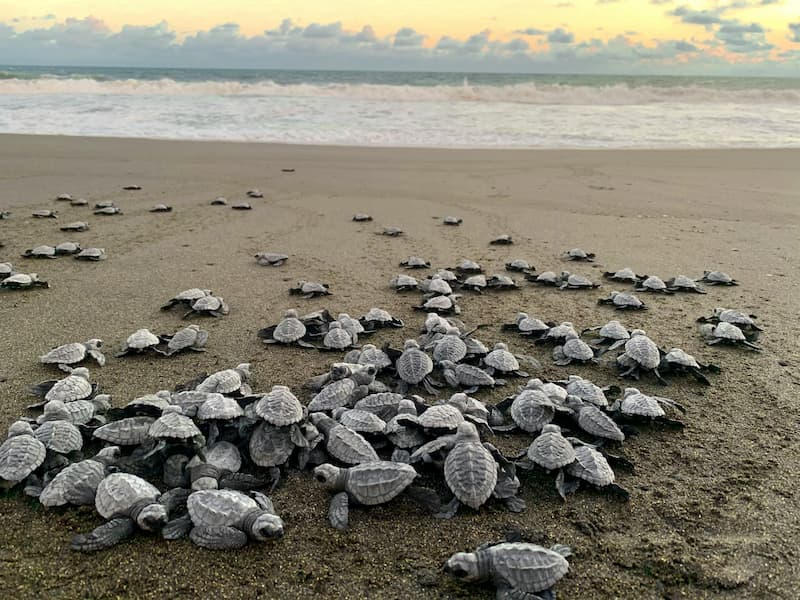
If the placental system is so advantageous, why do countless animals still stick to laying eggs? Has evolution stopped? Absolutely not. Laying eggs is a highly calculated survival strategy. Placental animals must carry heavy offspring throughout their entire gestation, which significantly reduces the mother’s mobility and requires constant energy supply. In a situation where movement is restricted, encountering a predator puts both mother and offspring in mortal danger.
Animals that lay eggs are different. The moment they lay an egg, the mother instantly returns to her lightweight self. She can escape predators at any time and refocus on foraging for her own survival. When the environment changes or food is scarce, this mobility becomes a decisive survival factor. Also, the egg-laying method is highly optimized for mass reproduction. Instead of focusing on one or two offspring for a long time like placental animals, they raise the statistics of survival probability by laying many eggs at once. If there is enough yolk inside the egg, the offspring can grow on their own without direct parental care.
Here, the true value of the egg is revealed. Eggs save the parents’ time and energy significantly. As long as they lay the eggs in a safe place, the parents can invest more resources into preparing for the next reproduction or protecting themselves. Especially in harsh environments, this strategy shines. This is because supplying nutrients consistently to the offspring in an environment where food is not abundant is a fatal burden to the mother.
So, why did evolution not discard one method entirely? It is because there is no such thing as a perfect survival equation in the world. The placenta increases stability but maximizes the mother’s burden. Conversely, the egg reduces the mother’s burden but is vulnerable to external threats. They are doing their best in their respective ecological niches, balancing the two. Eggs and placentas are different survival equations chosen by life. What traces of this crossroads do humans carry in their bodies? Let us track the origin in the final section.
4. The Crossroads of Evolution: Ancient Traces in Our Bodies
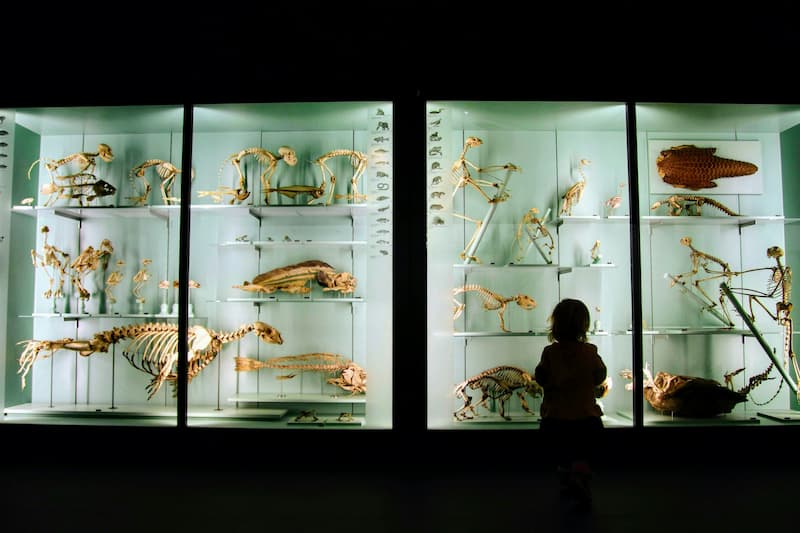
Are we the final destination in the history of life that began with eggs? In reality, ancient traces remain intact within the human body. A fetus spends months in the warm cradle of the mother’s uterus. This is the result of evolving from the external egg-dependency of fish and reptiles into a high-level strategy of creating an internal environment.
The uterus is a perfect substitute for an egg. Maternal tissue replaces the shell, protecting life from external threats. Evolution is still underway. When the environment shifts, survival strategies change, too. Whether it is laying eggs or using a placenta, the key is adaptation to the environment.
Our bodies reveal evolution everywhere; the temporary appearance of gill slits or tail-like structures during embryonic development proves we are descendants of ancestors who once laid eggs in the water. We are living records of how life has tirelessly fought to adapt.
Life records even deeper history than this. In the brief moment we receive nutrients through our mother’s placenta, our bodies reproduce the wisdom of our ancestors who protected eggs in the ocean hundreds of millions of years ago. The placenta is not just a passage for delivering nutrients. Instead of abandoning the egg shell, it is a masterpiece of evolution that created a larger and safer shell, the mother’s uterus. Ultimately, our bodies are like a giant genetic museum where past survival strategies meet the current environment.
We must ask now: what will the next generation of evolution look like? The two paths of eggs and placentas, how will they change in the future? Life does not stop. It keeps turning the engine of evolution today for better survival. Like this, the egg is not a relic of the past, but a powerful blueprint of evolution that still determines the form of life. We are writing another future based on this design.
![[Bit#110] Bioelectricity Unlocked: How Ion Channels Work](https://hiddenbitknowledge.com/wp-content/uploads/2026/07/main.ion-channel-768x429.jpg)
![[Bit#164] The Real Reason Your Tongue Craves Fatty Foods](https://hiddenbitknowledge.com/wp-content/uploads/2026/09/main.fat-food-768x419.jpg)
![Why Does Flexibility Decrease With Age? [Bit#179]](https://hiddenbitknowledge.com/wp-content/uploads/2026/10/main-image-3-768x428.jpg)
![[Bit#16] The Red Flow of Life: The Past and Future Told by Blood](https://hiddenbitknowledge.com/wp-content/uploads/2026/04/bf7bc0b95bfd-768x429.jpg)
![[Bit#101] Why Your Body Kills Millions of Cells Every Day: The Science of Apoptosis](https://hiddenbitknowledge.com/wp-content/uploads/2026/07/main.apoptosis-768x431.jpg)
![[Bit#131] Elephant Cancer Resistance: The Giant Organism with Dozens of Cancer Suppressor Genes](https://hiddenbitknowledge.com/wp-content/uploads/2026/08/main.-Elephant-767x428.jpg)