[Bit#92] Autonomic System Reset: The Science of Restoring Your Body’s Balance

Introduction
The autonomic nervous system is the perfect automatic control system of our body. From heartbeat to digestion and respiration, it regulates everything without our conscious awareness. If this system breaks down, the entire body loses its balance. In this article, we reveal the causes and scientific mechanisms of autonomic dysregulation, a chronic ailment of modern people, and deeply explore how we can regain the lost balance of our body.
1. Sympathetic vs Parasympathetic: The War Inside Your Body
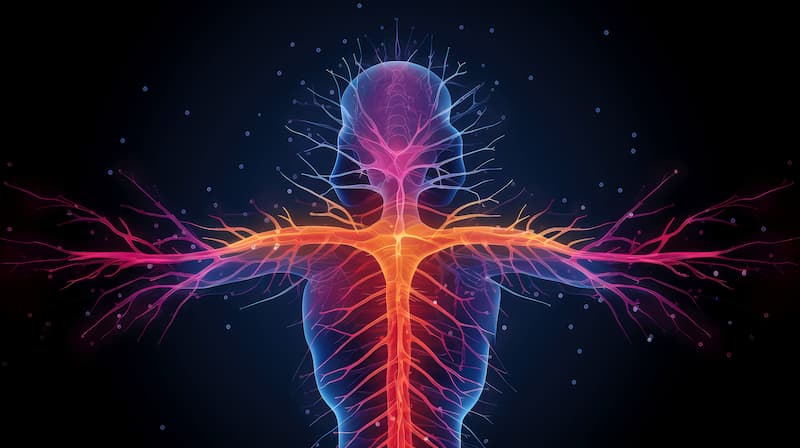
A silent war takes place inside our body every day. It is a battle for dominance between the sympathetic and parasympathetic nervous systems. These two are twin engines that maintain the homeostasis of our body. When one side steps on the accelerator pedal, the other side must step on the brake. The moment this balance is broken, the body begins to break down. Why are we always in a state of tension?
The cause is simple. The sympathetic nervous system is turned on too frequently and for too long. Humans in primitive times turned on the sympathetic nervous system only when they encountered wild beasts. The heart pumps as if it would burst and blood pressure soars. Digestive functions stop temporarily. This is because they have to run away or fight right away. This state is called the fight-or-flight response. What about modern people? The subway on the way to work, the boss’s nagging, and late-night smartphone notifications all act as wild beasts. The brain perceives all these signals as threats to life.
Consequently, the time for the parasympathetic nervous system to work disappears. The parasympathetic nervous system is responsible for rest and digestion. It acts as a brake that relaxes the body and stores energy. However, in the daily life of modern people, the brake has worn out and lost its function. Even at night, the heart still beats fast, and the stomach stops, causing indigestion. Imagine what would happen to the engine of a car that keeps stepping only on the accelerator. Eventually, it has no choice but to overheat and burn out.
The same goes for our autonomic nervous system. The disharmony between tension and relaxation leads to the malfunction of bodily organs beyond simple fatigue. Is your body stepping on the accelerator right now, or is it stepping on the brake? The autonomic nervous system that has lost its balance eventually begins to send a silent SOS signal.
2. Deceived by Stress: How the Brain Triggers False Alarms

The brain is easily deceived than you think. This is especially true when facing stress. Deep inside the center of the brain, there is an organ called the hypothalamus. This place is the control tower that commands the autonomic nervous system. When an external stimulus enters, the hypothalamus responds immediately. The problem is that it cannot distinguish between an actual threat to life and psychological pressure.
You only received a single email from your boss. However, the brain judges that it is surrounded by a wild beast. Why does this kind of malfunction occur? It is because the human brain has not evolved significantly since the Paleolithic era. As soon as the hypothalamus detects a danger signal, it pours out stress hormones such as cortisol and adrenaline. These hormones constrict blood vessels throughout the body. It tenses the muscles tightly and raises blood sugar. It prepares to fight or flee immediately.
What happens if this fake crisis situation is repeated every day? It leads to a breakdown of the brain’s alarm system. It is like the alarm that should be turned off ringing 24 hours a day. Eventually, the autonomic nervous system loses control and runs wild. The heart flutters without reason and breathing becomes shallow. The ability to regulate body temperature breaks down, sometimes causing cold sweats. The body is rapidly discharged because it maintains an emergency state continuously.
What is more serious is the decline in organ function. Since blood flows only to the muscles, internal organs such as the stomach and kidneys fall into a state of lack of blood. This is the very radical reason why chronic indigestion and irritable bowel syndrome occur. What kind of signal is your brain being deceived by right now? If you ignore the silent rescue signal sent by the brain, you will go straight to autonomic dysregulation, where the whole body collapses.
3. Real Dysautonomia: The Danger Behind Constant Fatigue

Many people attribute autonomic dysregulation to simple fatigue. They believe that if they sleep soundly, they will get better. Is that really so? Autonomic dysregulation means a state where all automatic control devices of the body are out of order. Even if you go to the hospital and undergo examinations, there are many cases where no clear cause is found. The endoscopy or blood test is normal, but the person concerned feels like dying. Why does this happen?
This is because the autonomic nervous system is not responsible for just one specific organ. It stretches across the entire body to blood vessels, the heart, the stomach, pupils, and sweat glands. Therefore, when the system collapses, simultaneous abnormal symptoms appear. Orthostatic hypotension, where the head spins when getting up in the morning, is a prime example. This is the result of the sympathetic nervous system, which should constrict blood vessels to maintain blood pressure, failing to operate in time.
That is not all. For no special reason, the chest feels tight and breath becomes short. The motor capacity of the stomach drops, so the stomach feels bloated even if you eat just a little food. The peristalsis of the intestines also becomes a mess. Irritable bowel syndrome, where constipation and diarrhea repeat irregularly, comes visiting. Even body temperature regulation does not work, so you might feel hot or cold alone. When all these symptoms rush in at once, daily life is completely paralyzed.
It is a state of losing control over the body. The last warning light sent by the body has turned on. What is scarier is that these symptoms even make the mind sick. When physical suffering continues, the brain creates feelings of depression and anxiety. Eventually, you get trapped in a vicious cycle where the breakdown of the body leads to the breakdown of the mind. Now, you must cut off this dangerous link.
4. The Biological Reset: Healing with Breathing and Sunlight

The key to reviving a broken autonomic nervous system is unexpectedly simple. It is breathing and light. The autonomic nervous system is an area that cannot be controlled by our will. However, there is only one exception. It is breathing. The act of breathing in deeply and exhaling is the only switch that forcibly awakens the parasympathetic nervous system.
Why does breathing work? When you exhale slowly and deeply, the vagus nerve, which is the parasympathetic nerve of our body, receives stimulation. The vagus nerve sends a signal to slow down the heartbeat and lower blood pressure. The brain receives this signal and finally recognizes it as a safe state. Try abdominal breathing for just 5 minutes a day, making the exhalation longer than the inhalation. You can feel the runaway sympathetic nervous system calming down immediately.
Another powerful tool is morning sunlight. The sunlight you greet as soon as you open your eyes is a natural reset button that awakens the hypothalamus of the brain. Sunlight promotes the secretion of serotonin, the happiness hormone. This serotonin changes into melatonin, the sleep hormone, when night comes. It is the principle by which a perfect biological rhythm is created, actively using the sympathetic nerve during the day and activating the parasympathetic nerve while sleeping deeply at night.
After all, recovering the autonomic nervous system is not a special treatment. It is a process of gifting the lost natural rhythm back to the body. Was your breath deep enough today? It is time to step on a simple but powerful brake for your exhausted body.
Conclusion
Modern society constantly urges us to step on the accelerator. It is a world where running without rest to go faster and farther has become a virtue. However, a car that does not stop will eventually face destruction. Autonomic dysregulation might be the most honest warning letter thrown by the body toward our speeding life.
Why are we afraid of stopping? True rest is not simply doing nothing. It is the most active preparation process to reorganize the body system for the next sprint. Tonight, how about putting down your smartphone for a moment, exhaling a deep breath, and creating your own safe zone?
![[Bit#37] Why Do Brilliant Ideas Suddenly Pop Up in the Shower?](https://hiddenbitknowledge.com/wp-content/uploads/2026/05/72e6c17b538b-768x419.jpg)
![[Bit#7] The Chilling Reason Why Your Brain Paralyzes Your Body While You Sleep](https://hiddenbitknowledge.com/wp-content/uploads/2026/04/6e3ddc42884a-768x511.jpg)
![Why Do We Follow Trends? [Bit#192]](https://hiddenbitknowledge.com/wp-content/uploads/2026/10/main-image-15-768x576.jpg)
![Why Work Feels Harder Than Play: Can You Make Work More Enjoyable? [Bit#181]](https://hiddenbitknowledge.com/wp-content/uploads/2026/10/main-image-5-768x512.jpg)
![[Bit#119] How Psilocybin Treats Depression: The Bio-Mechanism Behind Magic Mushrooms](https://hiddenbitknowledge.com/wp-content/uploads/2026/08/main.magic-mushrooms-768x419.jpg)
![[Bit#19] The Science of Infantile Amnesia: The First Fragment in the Dark](https://hiddenbitknowledge.com/wp-content/uploads/2026/05/6050aee2b01d-768x512.jpg)