[Bit#94] Why Your Appendix is Still Vital: The Surprising Scientific Evidence
Introduction
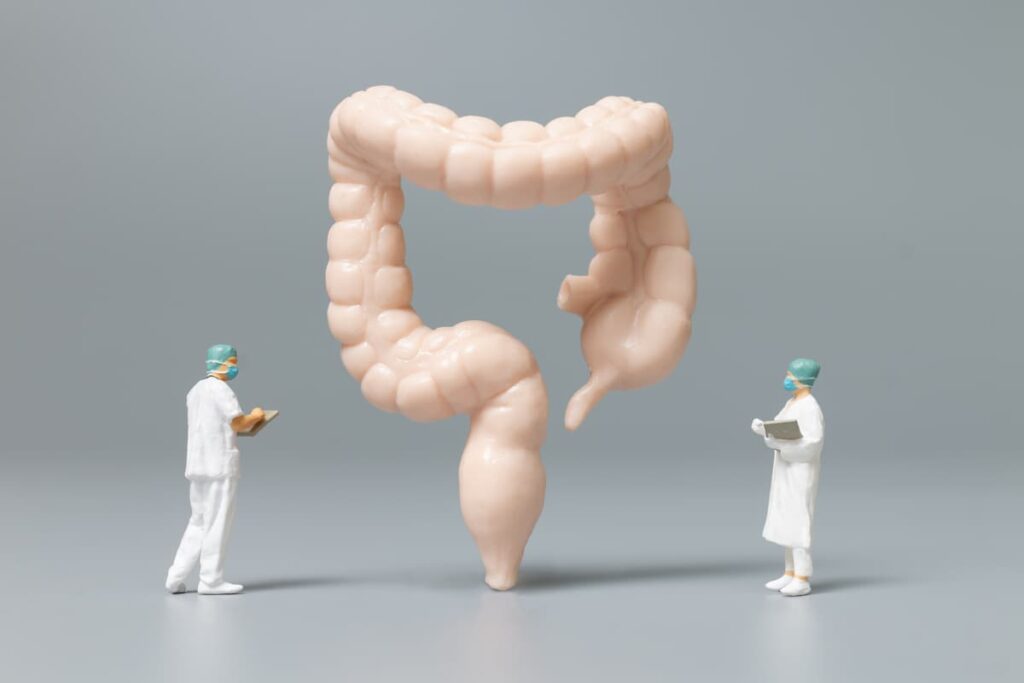
Until now, we have regarded the appendix as a completely useless nuisance that only causes inflammation. However, the latest medical science says this tiny organ holds a very crucial key to our survival. Through this article, we hope it will serve as an opportunity to rethink the perfect design of the human body and the deep meaning of evolution.
1. The Rebellion of the Vestigial Organ: The Myth of Evolutionary Waste
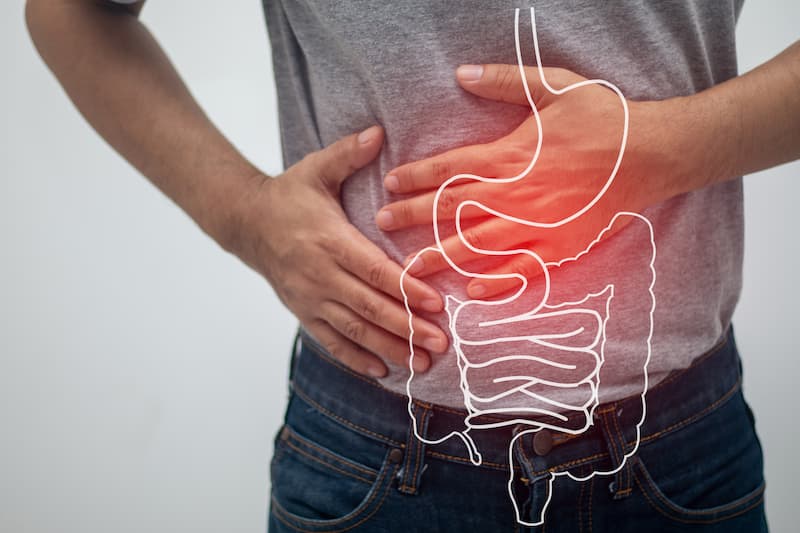
We have long regarded the appendix as a useless failure of evolution. The dominant explanation was that it was simply a trace that naturally degenerated as humans stopped their herbivorous lifestyle during the evolutionary process. Moreover, since it even threatened lives by causing serious inflammation like appendicitis, it was treated as a nuisance that was better off gone. The point that removing it through surgery seemed to cause absolutely no trouble in daily life made this misunderstanding even more solid.
But did nature really leave this organ behind while wasting energy for no reason? Evolution is an extremely efficient survival game. It is the law of nature that useless parts are weeded out and disappear over millions of years. Even so, the appendix still exists in a clear form inside the bodies of many mammals, including humans. Why is that?
There were too many unexplained questions to view it simply as a remnant left because the rate of degeneration was slow. As medical technology developed, scientists discovered that this small pouch is by no means a stopped organ. The appendix was not a trace that became useless, but a mysterious immune fortress whose true value and function we had not recognized in the meantime. As the long-standing prejudice toward the appendix is broken, humanity is now facing the most undervalued guardian inside our bodies.
2. The Sanctuary for Beneficial Bacteria: The Center of Ecosystem Recovery
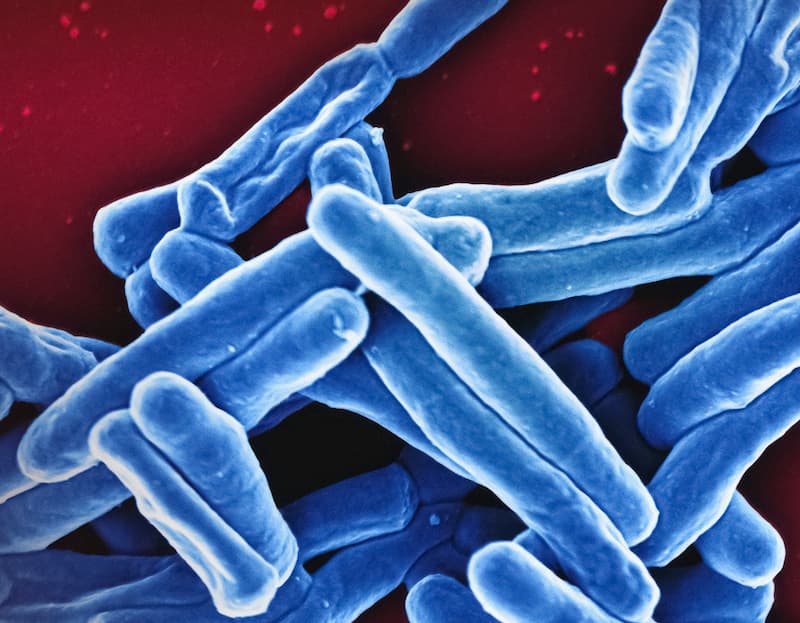
The human body is a massive ecosystem where trillions of microbes coexist. Especially, the large intestine is a core residential area where numerous beneficial bacteria live together. But what happens if you get severe food poisoning or enteritis and pour out diarrhea? The beneficial bacteria that filled the intestine are ruthlessly swept away. An emergency situation occurs where the intestinal ecosystem is completely devastated. Right at this moment, the appendix steps up as a relief pitcher. Why is that?
The thin appendix attached to the end of the cecum structurally has a very narrow pouch shape with a tight entrance. Normally, thanks to this narrow gap, it is safely protected from the fierce flow sweeping the large intestine. Scientists have revealed that this isolated space is not a simple dead end. This place is a perfect natural shelter and a Noah’s Ark where beneficial bacteria hide to escape the storm.
When the situation calms down after the intestine is devastated, the beneficial bacteria that safely took refuge inside the appendix crawl back out. They quickly spread to the empty territory of the large intestine and restore the intestinal microbial ecosystem at the speed of light. What if there was no such shelter as the appendix? It would have taken an extremely long time for the intestinal beneficial bacteria to settle again, and in the meantime, harmful bacteria could have bred, and we might have lost our lives. This amazing ecosystem preservation mechanism of harboring beneficial bacteria to rebuild the intestine is the most definite evidence of why the appendix still remains in our body.
3. The Hidden Commander of the Immune System: The Power of Lymphoid Tissue
The appendix does not just stay in the role of a shelter for microbes. It is also the front-line defense base of our body. Have you ever suffered from swollen tonsils? The tonsils in the throat are immune organs that block external viruses. Surprisingly, the appendix is another tonsil existing inside the intestine.
Why is that? An enormous amount of lymphoid tissue is intensively distributed in the appendix wall. This lymphoid tissue is a kind of recruit training center that grows and trains white blood cells, which can be called our body’s army. Especially, the appendix displays an excellent ability to collect antigen information inside the intestine. It monitors numerous substances entering the intestine, and if harmful bacteria are found among them, it immediately sounds an immune alarm.
We easily think of the large intestine as a place that simply processes food waste and makes feces. But in fact, the intestine is a dangerous area that makes the most contact with external substances. Every day, numerous harmful substances and bacteria pour in without rest through food. If the intestinal wall is breached, a fatal situation occurs where infection spreads to the entire body. The appendix stands right in the center of this danger zone, educating and commanding immune cells.
The lymphoid follicles densely packed here produce a powerful weapon called Immunoglobulin A (IgA). This substance plays a role in sticking to the intestinal membrane to fundamentally block toxins and pathogens from penetrating into the body. To easily cut it off, calling it a useless vestigial organ, the immunological responsibility this small and narrow pouch is handling is way too heavy. The appendix is not simple waste, but an elite guard responsible for the public order inside our intestinal tract.
4. The Price of Appendectomy: Unexpected Side Effects Proven by Science

We decide on appendix surgery very easily when we get appendicitis. It is because we think of it as a simple surgery that ends by just cutting it off. But is the body from which the appendix disappeared really completely identical to before? The latest medical studies are warning of the possibility of side effects that are not as light as we think. The price of losing the appendix is directly connected to our intestinal health.
The change that comes first is the decline in the resilience of the intestinal microbial ecosystem. A person who has had their appendix removed is significantly slower than a normal person in recovering intestinal beneficial bacteria to their original state after suffering from severe diarrhea or enteritis. It is because the appendix, which served as a shelter, has disappeared. Why is that? The intestine, unable to fill the empty space, remains exposed to the attack of harmful bacteria for a long time. Actually, patients who underwent appendectomy have a major drop in the diversity of intestinal microbes. Because of this, the probability of suffering from chronic indigestion or irritable bowel syndrome becomes much higher.
A gap also occurs from an immunological perspective. As the secretion of Immunoglobulin A, an immune substance that protects the intestinal wall, decreases, the defensive power against external pathogens weakens. As a result, there are also large-scale follow-up observation study results showing that the risk of developing inflammatory bowel diseases such as colon cancer or Crohn’s disease rises slightly. The appendix is not a simple remnant that has no problem even if torn off right away. It was a reassuring insurance policy that protected the future peace of our intestines.
Conclusion
In the end, the appendix was not a useless trace of evolution, but the smartest safety device designed by the human body to survive in a harsh environment. The development of science has proven the true value of the organ we arrogantly judged as useless. If the appendix still remains intact inside your body, it means you harbor a hidden guardian that fiercely maintains intestinal peace every moment.
Suddenly, this thought comes to mind. Could other parts of our body that we easily defined as useless actually be performing great missions that have not yet been revealed? Every cell and organ that constitutes us holds a clear and definite reason why it must exist.
![[Bit#8] The Secret Cloning War in Your Bathroom While You Sleep](https://hiddenbitknowledge.com/wp-content/uploads/2026/04/7e29f21bdd69-768x512.jpg)
![[Bit#101] Why Your Body Kills Millions of Cells Every Day: The Science of Apoptosis](https://hiddenbitknowledge.com/wp-content/uploads/2026/07/main.apoptosis-768x431.jpg)
![[Bit#71] The Silent Youth Killer: How Salt Forcibly Accelerates Your Cellular Aging Clock](https://hiddenbitknowledge.com/wp-content/uploads/2026/06/main.salt_-768x512.jpg)
![[Bit#133] Tardigrade Survival Mechanics: The Biological Blueprint for Medicine and Biotech](https://hiddenbitknowledge.com/wp-content/uploads/2026/08/main.Tardigrade-768x419.jpg)
![[Bit#48] The Margins of Survival: The Ultimate Environmental Limits for Human Life](https://hiddenbitknowledge.com/wp-content/uploads/2026/05/f83fe20b2c8c-768x432.jpg)
![[Bit#88] Saliva Secrets: Predict Your Health with DTC Genes](https://hiddenbitknowledge.com/wp-content/uploads/2026/07/main.sariva-768x429.jpg)