[Bit#101] Why Your Body Kills Millions of Cells Every Day: The Science of Apoptosis
Introduction
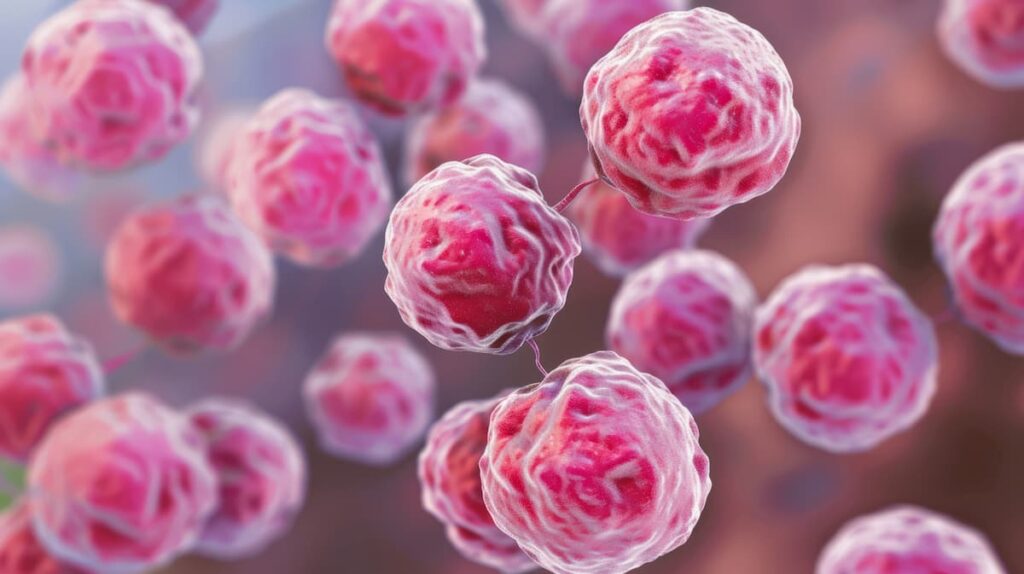
Every single day, billions of cells inside our bodies choose to take their own lives. This biological suicide process is called apoptosis. When this highly sophisticated system breaks down, fatal diseases like cancer and Alzheimer’s take root. We must ask ourselves why cell death is necessary for our survival, and how mastering this death switch could fundamentally transform human longevity.
1. The Cell’s Precise Suicide Program: What Is Apoptosis?
Did you know that your own cells actively choose to die?
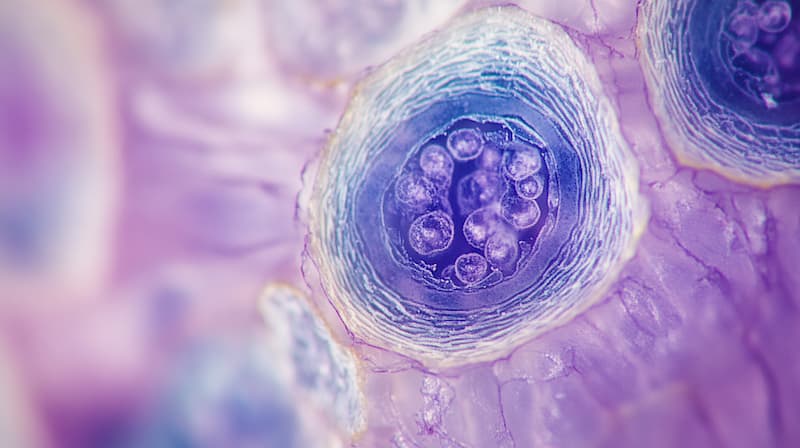
We usually assume that cells die only when they suffer physical damage or grow old. However, inside our bodies, millions of cells take their own lives every single second. Scientists call this process apoptosis. Put simply, it is a programmed suicide system designed into our cells.
Why would a cell make such an extreme choice?
The answer is to save the entire organism. What would happen if a damaged cell refused to die and kept living? That cell would eventually mutate, growing into a threat that jeopardizes the whole body. Therefore, the moment a cell detects something wrong within itself, it flips its internal self-destruct switch. It chooses to vanish cleanly without causing harm to neighboring cells.
Think of a lifeguard at a swimming pool. Just as a lifeguard moves swiftly to save a drowning swimmer, apoptosis is a meticulous system operating continuously to preserve overall health. Consider how a tadpole loses its tail as it transforms into a frog. The cells forming the tail undergo apoptosis, allowing the new body shape to take form.
So, how exactly does a cell disappear during this process?
When a cell receives the death signal, its size shrinks first. Then, it fragments its most vital internal asset, its DNA, into tiny pieces. Next, the cell membrane swells up and pinches off into multiple small vesicles.
This process closely resembles packing trash neatly into standardized garbage bags. Nearby immune cells swiftly arrive and engulf these tiny vesicles. Consequently, no inflammatory response occurs at all. Even though a cell has vanished, the surrounding tissue remains entirely undamaged.
However, if a glitch occurs in this system, a critical emergency is declared inside our body. What happens when this intricately engineered cell death switch breaks down?
2. Unstoppable Cells: Cancer and the Broken Brakes of Apoptosis
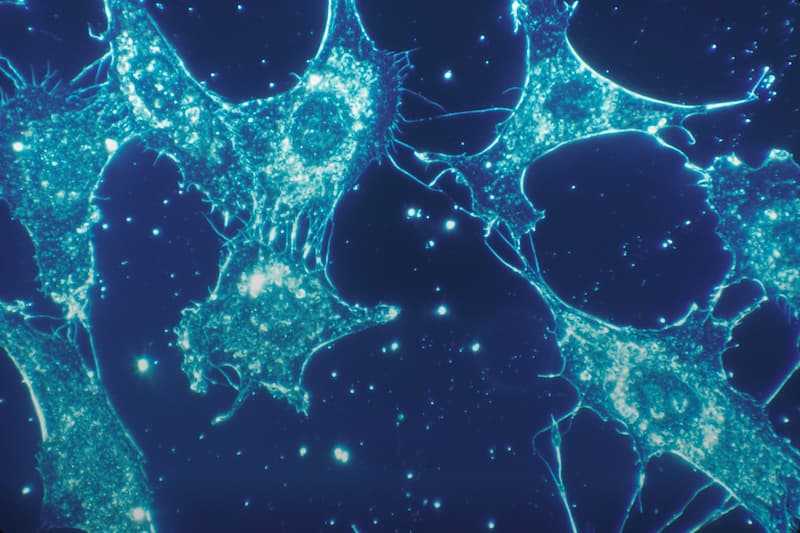
Under normal conditions, cells quietly undergo apoptosis once their mission is complete or when defects arise. Yet, there is a mutated entity that ridicules this precise system and survives indefinitely. That entity is cancer, one of the most terrifying diseases confronting humanity.
How do cancer cells bypass this absolute rule of cell death?
The secret lies in the failure of the suicide switch. Through genetic mutations, cancer cells completely block the signaling pathways that trigger apoptosis. Even when internal destruction orders are issued, they ignore the commands and continue to divide endlessly. It is identical to a car racing down a highway with broken brakes.
What problems do these immortal cells create?
Normal cells multiply only as much as necessary within a given space and then stop. Uncontrolled cancer cells, however, devour surrounding nutrients and oxygen voraciously. They expand relentlessly, compressing and invading adjacent healthy tissues. Ultimately, they paralyze organ function and put the entire body at risk.
Scientists focused intently on this exact vulnerability. What if we could forcefully turn that broken suicide switch back on?
In fact, the core of cutting-edge anticancer research revolves around making cancer cells destroy themselves. Traditional chemotherapy attacked not only cancer cells but also healthy ones, triggering severe side effects. Targeted therapies utilizing apoptotic mechanisms operate differently. They reactivate the hidden suicide circuits within cancer cells, inducing them to self-destruct.
Could this death switch hold the key to curing cancer entirely?
The potential is exceptionally high. The most fundamental strategy to halt the infinite multiplication of cancer cells is restoring apoptosis to normal. Currently, researchers are developing various molecular compounds capable of penetrating cancer cell defenses to deliver death signals. An era where cancer cells are neatly eliminated with the flip of a switch is fast approaching.
Yet, problems with the death system do not end with unstoppable cells. Conversely, if too many cells die, we face equally devastating conditions. What happens inside our body when the balance of apoptosis collapses in the opposite direction?
3. Excessive Cell Death: Brain Diseases and Uncontrolled Apoptosis
What dangers arise when the cell suicide system operates too aggressively?
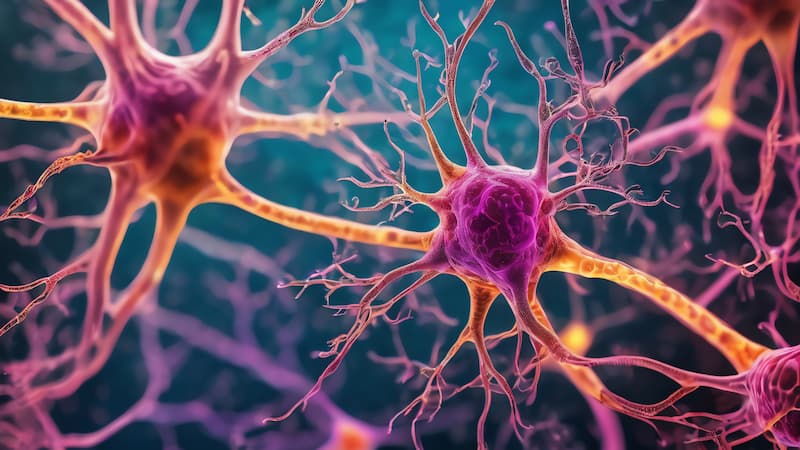
While cancer stems from cells refusing to die, there are conditions where cells die far beyond what is necessary. The most prominent examples are neurodegenerative disorders, including fatal conditions like Alzheimer’s and Parkinson’s disease.
Why do brain cells choose to end their own lives?
Unlike most other cells, our neurons possess almost no capacity for regeneration. Once damaged, recovery is exceptionally difficult. When misfolded proteins or toxic substances accumulate inside the brain, the situation deteriorates rapidly. The internal detection system flags the surrounding environment as hazardous, causing the delicately balanced apoptotic switch to go haywire.
A tragedy unfolds as even viable cells begin selecting suicide on a massive scale.
Examining the brains of Parkinson’s disease patients reveals that dopamine-producing neurons die off sequentially. As each cell disappears, motor function declines sharply. Alzheimer’s disease follows a similar path, as cells in the hippocampus, responsible for memory, are destroyed through uncontrolled apoptosis. Eventually, patients gradually lose their precious memories and sense of self.
Why does the brain make a decision that resembles self-harm?
It might seem preferable to having damaged cells rot and spread inflammation to surrounding areas. The system judges that a clean, quiet exit benefits the overall survival of the tissue. However, given the non-renewable nature of brain cells, this drastic measure yields catastrophic results. Suicide orders fire sequentially while inhibitory signals remain paralyzed.
The medical community is actively searching for ways to halt these ruthless death signals.
Research is underway to inhibit the activity of caspase proteins, which orchestrate cell death. This effort aims to construct a shield preventing the suicide switch from being activated accidentally. Simply restoring excessive cell death to normal levels could dramatically slow the progression of neurodegenerative diseases.
Cellular death poses a severe threat whether cells refuse to die or die excessively. How, then, should we control this delicate balance of life and death?
4. Regulating Apoptosis: Cutting-Edge Biotech and the Future of Medicine
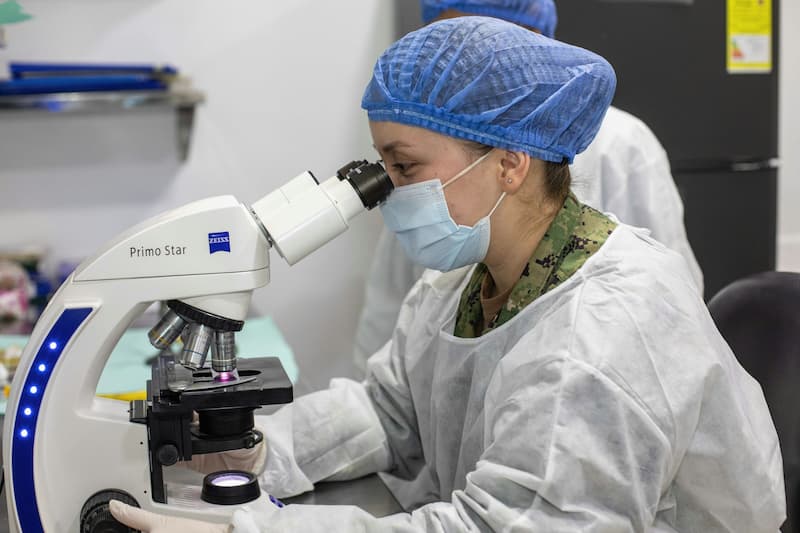
Humanity is entering an era where we can artificially control cellular death.
As the mysterious mechanisms of apoptosis are unraveled one by one, the biotechnology industry is undergoing a massive transformation. What if we could arbitrarily regulate the signals that dictate whether a cell lives or dies? Conquering not only cancer and neurodegenerative diseases but also various incurable illnesses becomes an attainable reality.
The most prominent technology leading this front is RNA-based drug development.
This approach directly regulates the production of proteins that inhibit or activate cell death at the genetic level. For instance, in cancer cells, it blocks anti-apoptotic proteins to force self-destruction. Conversely, in patients with brain diseases, it delivers substances that block cell death signals to protect neurons. Precise molecular targeting has made personalized medicine possible.
What changes are unfolding in organ transplantation and anti-aging research?
Cellular damage occurring during organ transplant surgery is also largely caused by uncontrolled apoptosis. Temporarily suppressing cell death in organs slated for transplantation can dramatically extend their preservation time. Furthermore, preventing senescent cells from triggering chain reactions of death in surrounding cells promotes tissue rejuvenation and extended lifespans.
These sophisticated control technologies are fundamentally shifting the paradigm of future medicine.
We are moving away from old methods of merely removing diseases, evolving toward restoring the cell’s inherent autonomous systems to normal. The moment we fully master the cellular death switch, humanity will step significantly closer to a life free from disease.
Conclusion
Apoptosis, the cell’s programmed self-destruction, is not mere death, but a sophisticated dedication to the survival of the entire organism.
We witness a paradoxical phenomenon where countless cells disappear on their own to ensure the individual’s survival. The fact that countless cells choose death at this very moment to maintain our existence leaves a deep impression. Is there not a valuable lesson here for us to reflect on what precious values we ourselves must let go of for overall harmony and renewal in our own lives?
![[Bit#71] The Silent Youth Killer: How Salt Forcibly Accelerates Your Cellular Aging Clock](https://hiddenbitknowledge.com/wp-content/uploads/2026/06/main.salt_-768x512.jpg)
![[Bit#74] The Warning from Siberia: Ancient Viruses Awakening from the Permafrost](https://hiddenbitknowledge.com/wp-content/uploads/2026/06/main.virus-and-ice-768x432.jpg)
![[Bit#149] The Hidden Cytotoxicity of Oxidized Vegetable Oils in the Human Body](https://hiddenbitknowledge.com/wp-content/uploads/2026/09/main.oxidation-oil-768x419.jpg)
![[Bit#77] Cosmic Radiation and Its Fatal Impact on Human Genetics](https://hiddenbitknowledge.com/wp-content/uploads/2026/06/main.Cosmic-Radiation-768x430.jpg)
![[Bit#29] The Evolutionary Secret of Right-Handed Dominance](https://hiddenbitknowledge.com/wp-content/uploads/2026/05/391c8203889c-768x512.jpg)
![[Bit#10] The Law of Viral Evolution: Why Are They Getting Deadlier?](https://hiddenbitknowledge.com/wp-content/uploads/2026/04/f00076102e67-768x512.jpg)