[Bit#117] Forensic Entomology: The Last Witness at the Crime Scene
Introduction
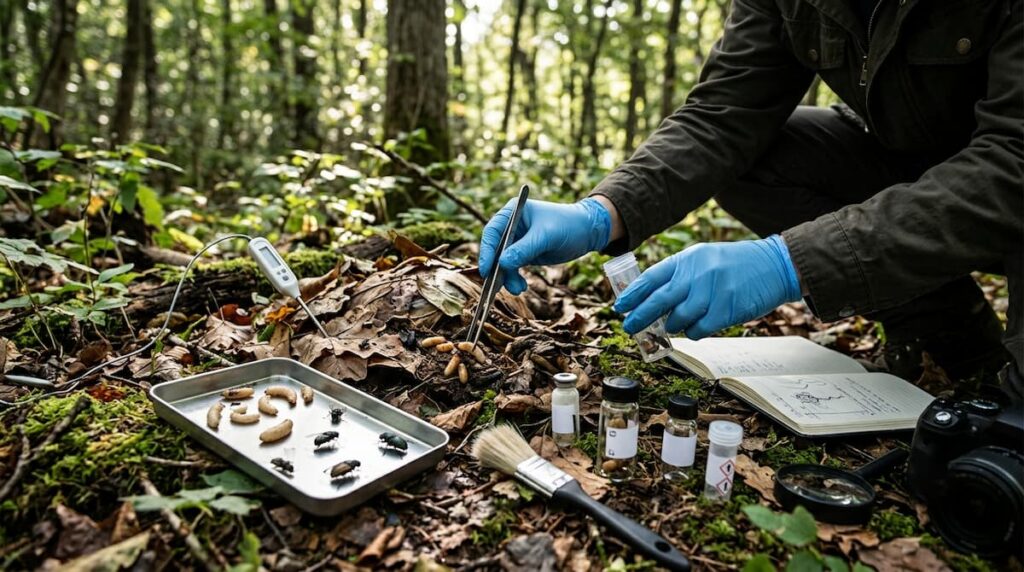
When life ends, who arrives at the crime scene first? It is not the police, but insects. Forensic entomology is the scientific discipline that analyzes the ecology and growth cycles of insects colonizing a corpse to estimate the exact time of death and uncover hidden secrets of a crime. We explore how these tiny, invisible creatures serve as crucial judicial evidence, revealing biological truths and deep ecological value.
1. The First Witness: Why Flies Arrive at the Scene First
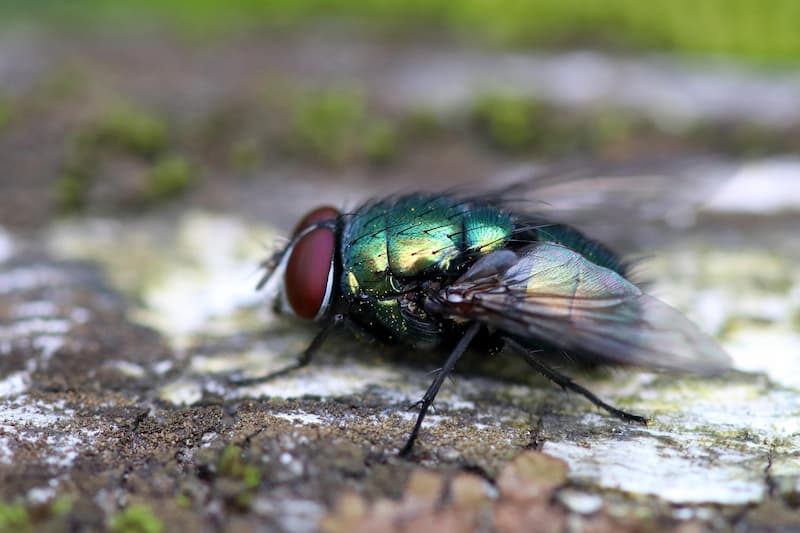
When a human stops breathing, cells begin to break down immediately. Endogenous enzymes digest organs, causing cell membranes to rupture. Organic matter decomposes, releasing various gases, most notably cadaverine and putrescine. To human nostrils, these compounds produce an unbearable stench. To insects, however, this odor serves as an irresistible invitation, attracting blowflies from kilometers away.
Blowflies are the true first witnesses, arriving far ahead of detectives. Flies often locate a corpse within minutes of death. Using ultra-sensitive receptors on their antennae, they detect minute traces of decomposition gases with extreme precision. Their urgency stems from a clear biological drive: larvae require fresh organic matter for nutrition. A fierce competition begins to secure prime, protein-rich breeding sites.
Flies do not deposit eggs randomly across the body. They cannot penetrate dry skin surfaces easily. Instead, they target moist natural orifices such as the eyes, nose, mouth, and ears. If a dense cluster of fly eggs is discovered in the middle of intact skin on the torso or legs rather than natural openings, it points to a critical finding: hidden puncture wounds or lacerations existed at that location. The egg-laying habits of tiny insects expose concealed physical trauma.
This immediate insect response is far more than a routine natural occurrence. It signals the activation of a micro-ecosystem surrounding the corpse. Investigators reverse-engineer the timeline of events immediately following death by analyzing arrival times and oviposition patterns. Upon a silent body, insects record the beginning of a crime in the most honest biological language.
2. The Biological Clock: Estimating Time of Death via Larval Stages
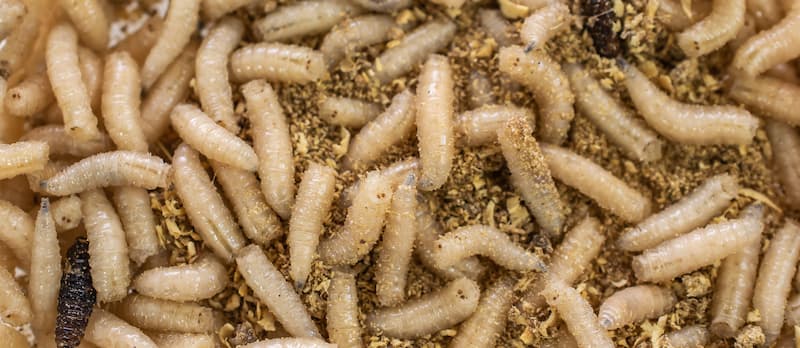
When a corpse is discovered, investigators face a fundamental question: precisely when did this person die? Shortly after death, body temperature changes and rigor mortis provide reliable estimates. Once days pass and decomposition advances, traditional medical methods lose accuracy. At this point, insects step in as biological clock hands. Fly eggs and larvae offer forensic scientists one of the most precise biological chronometers available.
Flies lay eggs almost immediately upon reaching a corpse. After a set period, these eggs hatch into wriggling maggots. The larvae feed voraciously and undergo rapid development, molting through first, second, and third instar stages. Once fully grown, larvae form hard pupal cases, eventually emerging as adult flies. Entomologists utilize this predictable lifecycle to calculate backward from discovery to death.
Determining the age of the largest larvae collected at the scene yields the Minimum Post-Mortem Interval (mPMI). This metric establishes the earliest likely timeframe for body abandonment. Insect growth rates remain consistent under set conditions. By factoring in environmental temperature and humidity, the margin of error narrows to just a few hours.
Insect development depends heavily on ambient temperature as ectothermic organisms. Higher temperatures accelerate metabolic rates and rapid growth, while cold weather slows or halts development. Forensic entomologists meticulously review historical temperature data from meteorological agencies to apply the Accumulated Degree-Hour (ADH) formula. Integrating precise temperature fluctuations yields legally admissible estimates for time of death.
3. Crime Scene Twists: Uncovering Body Relocation and Toxicology Traces
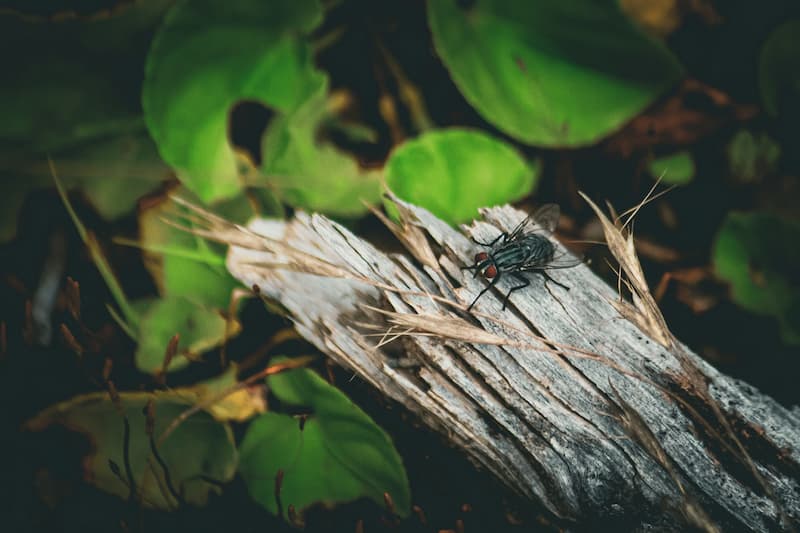
Perpetrators often attempt to orchestrate the perfect crime. They clean the scene and move the body to remote mountains or water, believing an alibi will shield them from suspicion. However, perpetrators frequently fail to account for insects. The specific insect species present on a corpse form a precise geographical log of where the body has been.
Insect species remain strictly bound to distinct habitats and ecological niches. Blowflies residing in shaded urban alleyways differ entirely from species native to deep forest canopy environments. Some species thrive in sunlit open fields, while others inhabit dark, enclosed spaces. If larvae of an indoor urban fly species are discovered on a body found in a deep forest, it indicates the homicide occurred elsewhere. Insects testify to where a body was hidden prior to disposal.
Insects also provide critical insights in toxicology investigations. Advanced decomposition frequently destroys blood and internal organs, rendering conventional toxicological screening impossible. Forensic entomologists collect maggots or empty pupal cases that fed on the corpse, as drug residues accumulate within insect tissues. This specialized field is known as entomotoxicology.
Analyzing extracted samples from larvae reveals substances ingested prior to death. Lethal doses of nicotine, potent sedatives, or illicit narcotics can all be detected. Furthermore, certain drugs unnaturally accelerate or stunt larval growth rates. Murder weapons once thought permanently concealed are exposed inside insect tissues, leaving a permanent scientific footprint.
4. The Cruel Cycle of Ecosystems: Philosophical Questions from Insects
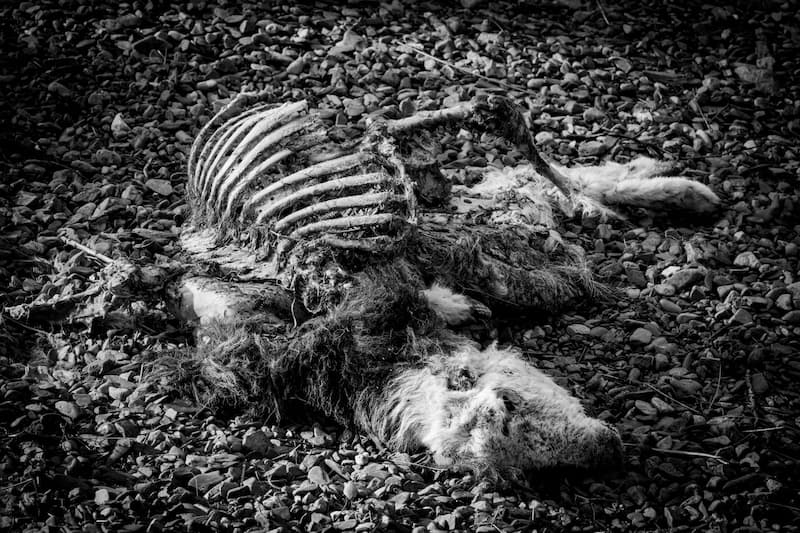
Researching forensic entomology reveals a profound truth. Flies and maggots congregating on a corpse are not merely investigative tools; they serve as primary decomposers in Earth’s broader ecosystem. Humans consume resources and leave structural footprints throughout life. Following death, nature dispatches insects to break down tissue and return essential elements to the planet. This seemingly grim process forms the core of planetary nutrient cycling.
Society often dismisses insects as unsanitary pests, reacting with aversion to flies or beetles. Yet without these organisms, terrestrial ecosystems would collapse under un-decomposed organic matter, bringing resource cycles to a halt. Forensic entomology highlights the biological necessity of these creatures. At scenes of mortality, insects establish new links in the food web.
At dark crime scenes, insects offer a stark contrast to human deception. Humans lie, alter evidence, and take lives out of greed. Insects simply follow biological instincts and ecological laws without bias, recording objective facts of time and environment. They serve as honest biological clocks and silent witnesses in pursuit of justice.
Forensic entomology offers a broader perspective on life and death. Human death marks the tragic end of an individual narrative, yet simultaneously provides sustenance for millions of organisms. Humans exist as single points within vast natural cycles. Observing insects on a corpse reinforces both the complexity of life and human humility within nature.
Conclusion
The precise records provided by insects extend far beyond investigative methodology. They offer scientific proof that human death remains integrated within global ecological cycles. Wrongs and deceptions attempted by humans are ultimately uncovered by nature’s smallest observers.
Should we continue to view insects merely as unwanted pests? Perhaps nature designed these precise monitors to safeguard truths that humans attempt to conceal.
![[Bit#167] Why Does the Heart Never Get Tired Even After Beating for a Lifetime?](https://hiddenbitknowledge.com/wp-content/uploads/2026/09/main.heart_-768x384.jpg)
![[Bit#130] Stop Ignoring Your Arteries: The Secret Power of Bioflavonoids](https://hiddenbitknowledge.com/wp-content/uploads/2026/08/main.bioflavonoids-767x428.jpg)
![[Bit#5] The Science of Drunk Munchies: Why Your Brain Craves Pizza at 2 AM](https://hiddenbitknowledge.com/wp-content/uploads/2026/04/5ac627532a2c-768x512.jpg)
![[Bit#2] Why We Fear the Dark: The Biological Blueprint of Nyctophobia](https://hiddenbitknowledge.com/wp-content/uploads/2026/04/260415_공포_main-768x555.jpg)
![[Bit#65] Why Do Women Live Longer Than Men?](https://hiddenbitknowledge.com/wp-content/uploads/2026/06/main.grave_-768x512.jpg)
![[Bit#112] Rare Blood Type Rh-null: The Rarest Blood in the World](https://hiddenbitknowledge.com/wp-content/uploads/2026/08/main.rh-null-768x399.jpg)