[Bit #152] How Cat Purrs Heal Bones and Tissue
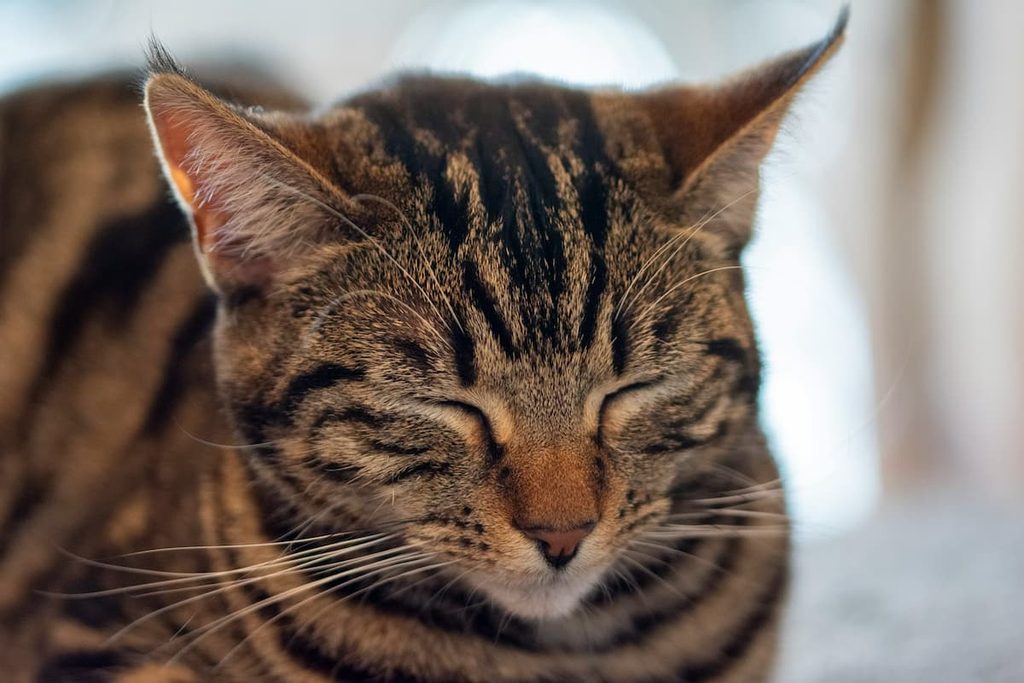
Cats do not purr exclusively when they are content. They also emit this vibration when experiencing severe pain or extreme stress. Why is that? The vibrational frequency of a cat’s purr concentrates precisely between 20 Hz and 140 Hz. Remarkably, this range aligns with therapeutic frequencies utilized in modern medicine to promote bone consolidation and tissue regeneration. Beyond a simple display of affection, purring functions as a vital biological self-healing mechanism. What profound lessons can we draw from this extraordinary innate capacity for healing?
1. The True Nature of the Purr: Biological Significance of the 20–140 Hz Frequency Range
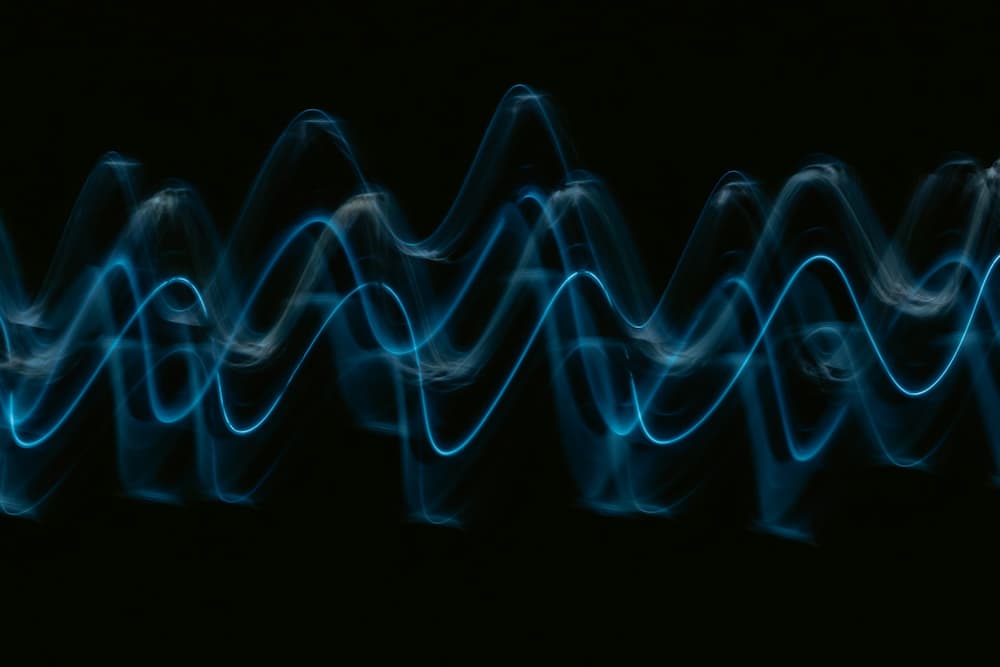
A cat’s purr is far more than a affectionate gesture. It represents a specialized acoustic wave generated by the rapid oscillation of the laryngeal and diaphragmatic muscles at 20 to 140 cycles per second. Intriguingly, this specific band between 20 Hz and 140 Hz holds immense significance in physical therapy. Why is this frequency band so critical? Vibrations within this precise window deliver physical stimuli to animal and human biological tissues that directly trigger cellular activation.
Felines purr not only in moments of contentment but also during severe distress, labor, or physical injury. Observers frequently note injured cats purring continuously. This behavior proves that purring is an internal therapeutic mechanism rather than a mere emotional signal. The mechanical vibrations propagate throughout the entire body, effectively functioning as an internal ultrasound therapy system.
Specifically, frequencies of 25 Hz and 50 Hz are recognized as the most effective for enhancing bone density and accelerating the union of fractured bones. Frequencies ranging between 100 Hz and 150 Hz excel at repairing soft tissue injuries and alleviating pain. Without external medical devices, felines utilize their respiratory apparatus to broadcast healing waves throughout their bodies.
These low-frequency vibrations stimulate the brain to release endorphins. Endorphins serve as natural analgesics, rapidly reducing circulating stress hormones. Ultimately, feline purring constitutes a highly efficient biological survival strategy that maintains and repairs structural tissues with minimal energy expenditure.
2. Resonant Stimulation for Bone and Cartilage Regeneration: The Osteocyte Response
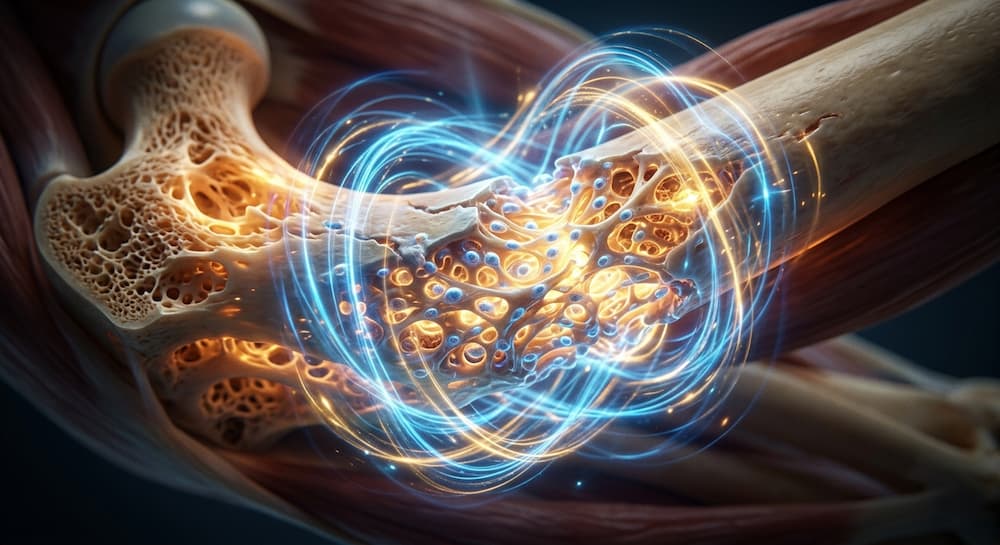
A cat’s purr does not merely vibrate the surface of the skin. The acoustic waves penetrate deep into skeletal structures and articular cartilage. Bone is not an inert structure; it is a dynamic cellular collective that requires continuous mechanical loading to maintain integrity. Why does the purring sound strengthen bone tissue?
The secret lies in resonant stimulation and the piezoelectric effect. Vibrations between 20 Hz and 50 Hz exert subtle mechanical pressure on bone tissue. Under this pressure, internal bone matrix components deform slightly and generate minute electrical charges. This fundamental conversion of physical pressure into electrical signals is known as the piezoelectric effect. These electrical currents instantly stimulate osteoblasts—the cells responsible for bone formation—prompting them to deposit calcium and bone matrix rapidly. Concurrently, the activity of osteoclasts, which break down bone, is suppressed, shifting the balance toward net bone creation.
Avascular cartilage tissue responds to these frequencies with equal sensitivity. Lacking direct blood supply, cartilage normally exhibits extremely slow metabolic recovery. However, the rhythmic waves of purring agitate the surrounding synovial fluid. This dynamic movement ensures that nutrient-rich fluid reaches deep into cartilage cells, accelerating matrix repair.
Felines spend the vast majority of their lives resting or sleeping. Typically, prolonged immobility leads to rapid loss of bone density. Yet, cats rarely suffer from disuse osteopenia or joint degradation. The internal vibration generated during rest acts as a surrogate for physical exercise, allowing them to preserve bone and cartilage integrity effortlessly.
3. Pain Relief and Cellular Therapeutics: Edema Reduction and Tissue Repair
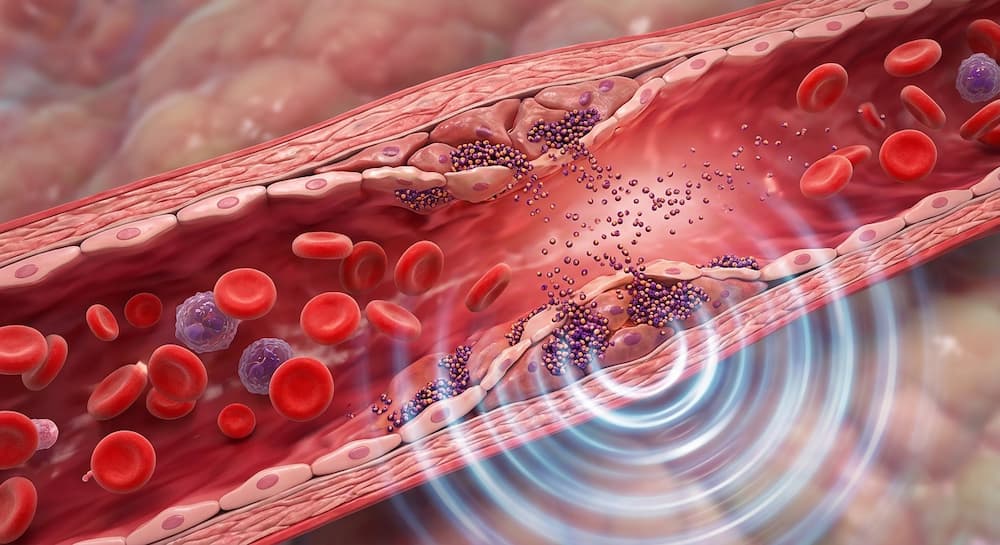
Feline purring extends its therapeutic impact beyond the skeleton into soft muscles and connective tissues. When trauma or inflammation occurs, tissues swell and signal severe pain. In response, cats vibrate their bodies internally. Frequencies between 50 Hz and 100 Hz stimulate blood vessels to dramatically enhance microvascular circulation. How does sound frequency enhance circulatory movement?
The micro-vibrations gently oscillate cell membranes, fluidizing stagnant blood and expediting oxygen transport. Enhanced blood flow rapidly flushes away accumulated metabolic waste and inflammatory mediators from the site of injury. Simultaneously, repair-essential leukocytes and nutrients flood the damaged area. As a result, edema subsides visibly, and cellular proliferation accelerates.
The neurological control of pain through purring is equally sophisticated. Vibrations at specific frequencies intercept pain signals ascending to the brain. Mechanical sensory input occupies the neural pathways before nociceptive signals reach conscious awareness. Furthermore, the acoustic stimulus triggers the central release of endorphins, acting as a natural analgesic. The feline body calms pain and restores equilibrium internally without pharmacological intervention.
Thus, feline purring serves as a comprehensive therapeutic station that simultaneously reduces edema, accelerates cellular repair, and suppresses pain. Utilizing internal acoustic waves to heal physical damage stands as a crucial evolutionary survival adaptation for felines in the wild.
4. Vibration Therapy in Aerospace Medicine: Expansion into Modern Healthcare

This biological healing wave has transcended nature to inform cutting-edge human medicine. A primary application appears in aerospace science. Astronauts stationed in microgravity environments suffer from a lack of gravitational loading on the skeleton. Without mechanical stress, bone mineral density drops precipitously—often equivalent to severe age-related osteoporosis within a single month. To combat this degeneration, space agency researchers adapted the precise frequency range of feline purring to create Whole-Body Vibration (WBV) therapy systems.
Standing on platforms vibrating at these exact therapeutic frequencies delivers mechanical stimuli to bones and muscles identical to intense weight-bearing exercise. This subtle resonant stimulation halts bone density loss and prevents muscle atrophy. Physical wave stimulation suppresses systemic degeneration without drug side effects. Why did biomedical researchers focus on this specific frequency band? It represents a non-invasive, highly safe intervention that acts directly at the cellular level.
Today, this technology is expanding rapidly into physical rehabilitation and geriatric medicine. Specialized vibration equipment is deployed to shorten fracture recovery times by up to fifty percent. It offers a revolutionary alternative for patients suffering from arthritis or spinal conditions who cannot engage in strenuous exercise. Nature’s wisdom, originating from a cat’s gentle purr, is actively reshaping the future of human medical technology.
Conclusion
A cat’s purr is not merely a sign of comfort; it is a sophisticated self-repair system evolved to maintain biological structural integrity. While human medicine often relies heavily on pharmaceutical agents and complex medical hardware, felines have long utilized intrinsic frequency mechanisms for systemic healing. The answers to next-generation medical challenges may reside closer than anticipated. In the soft, rhythmic purr of a cat resting nearby, we find compelling cause to re-evaluate the deep, innate healing capacities embedded within living organisms.
![[Bit#40] Bats: Incubators of Viruses and Guardians of the Ecosystem](https://hiddenbitknowledge.com/wp-content/uploads/2026/05/18539a864303-768x432.jpg)
![[Bit#26] Mosquito: The World’s Deadliest Assassin or a Savior of Bio-Technology?](https://hiddenbitknowledge.com/wp-content/uploads/2026/05/5617e31f2ae8-768x509.jpg)
![[Bit#107] Extreme Survivors of the Arid Land: The Hidden Scientific Secrets of Cacti](https://hiddenbitknowledge.com/wp-content/uploads/2026/07/main.Cactus-Desert-768x512.jpg)
![[Bit#166] Sea Turtle Shell Biology: How Evolution Created Natural Armor](https://hiddenbitknowledge.com/wp-content/uploads/2026/09/main.sea-turtle-768x419.jpg)
![[Bit#125] Crocodile’s Insane Immunity: Why Their Wounds Don’t Get Infected Even in Toxic Water](https://hiddenbitknowledge.com/wp-content/uploads/2026/08/main.crocodile-Swamp-Water-768x569.jpg)
![[Bit#12] The Golden Death: Why Scorpion Venom Costs $39 Million Per Gallon](https://hiddenbitknowledge.com/wp-content/uploads/2026/04/5fbca9cf7008-768x561.jpg)