Are Humans Born Good or Bad? The Science of Morality [Bit#218]
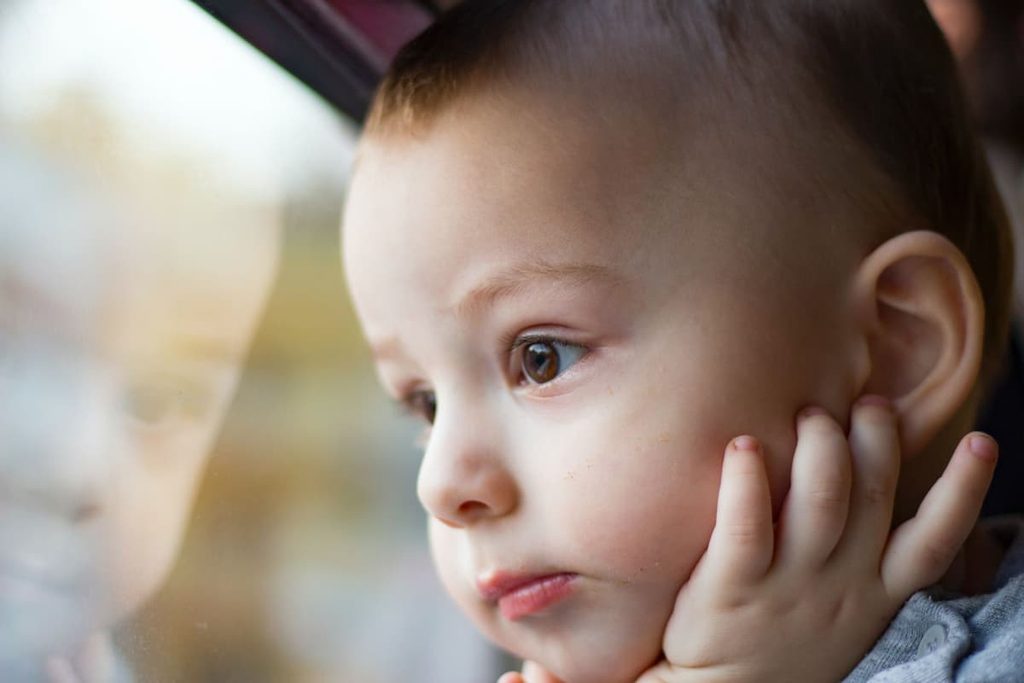
For centuries, people have asked a deceptively simple question: are humans born good, bad, or somewhere in between?
The answer seems like it should be obvious. Babies cannot yet understand laws, rules, or social expectations. They have not learned what their culture considers right or wrong. So perhaps morality must be something we learn later.
But babies may not be as socially blank as they appear.
Even before they can speak, infants can pay attention to what other people are doing, distinguish between different kinds of social interactions, and respond differently to people who help or hinder others. These findings have led some scientists to argue that the foundations of morality appear surprisingly early in life.
Yet there is an important problem.
Does recognizing helpful behavior mean that a baby is already moral?
The answer is much less straightforward than the classic experiments first suggested.
What Do Babies Understand About Good and Bad?
One of the most influential experiments in infant psychology was published in 2007.
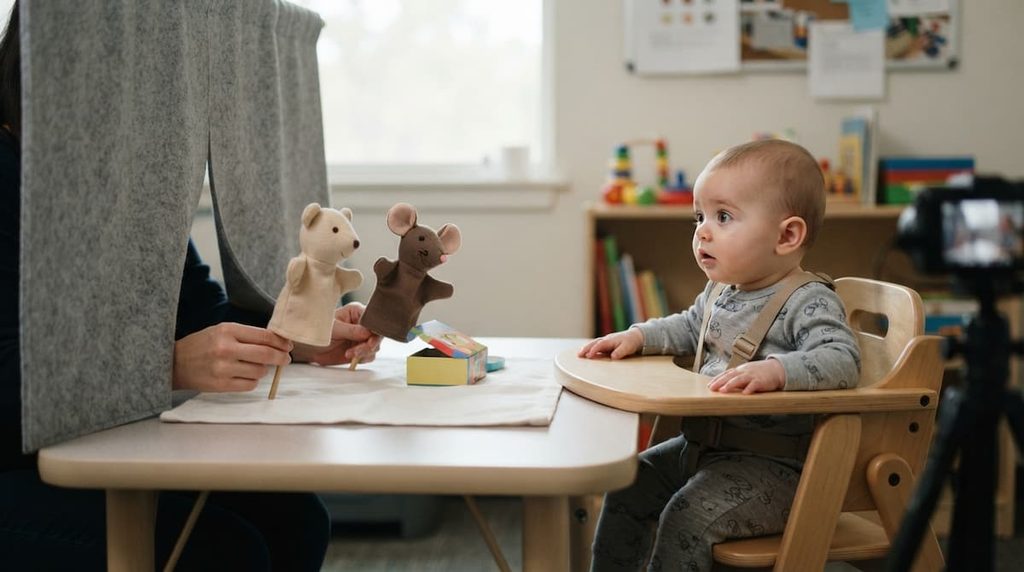
Researchers showed six- and ten-month-old infants a simple scene involving a character trying to reach a goal. In different versions, another character either helped the first character or prevented it from reaching its goal.
The infants were then given a choice between the helpful and hindering characters.
The researchers found that infants tended to prefer the helper.
The result was striking because the babies were too young to understand a verbal explanation of what had happened. They could not have been taught a lesson such as, “Helping someone is good.”
The study suggested that infants might already possess an early ability to evaluate social behavior.
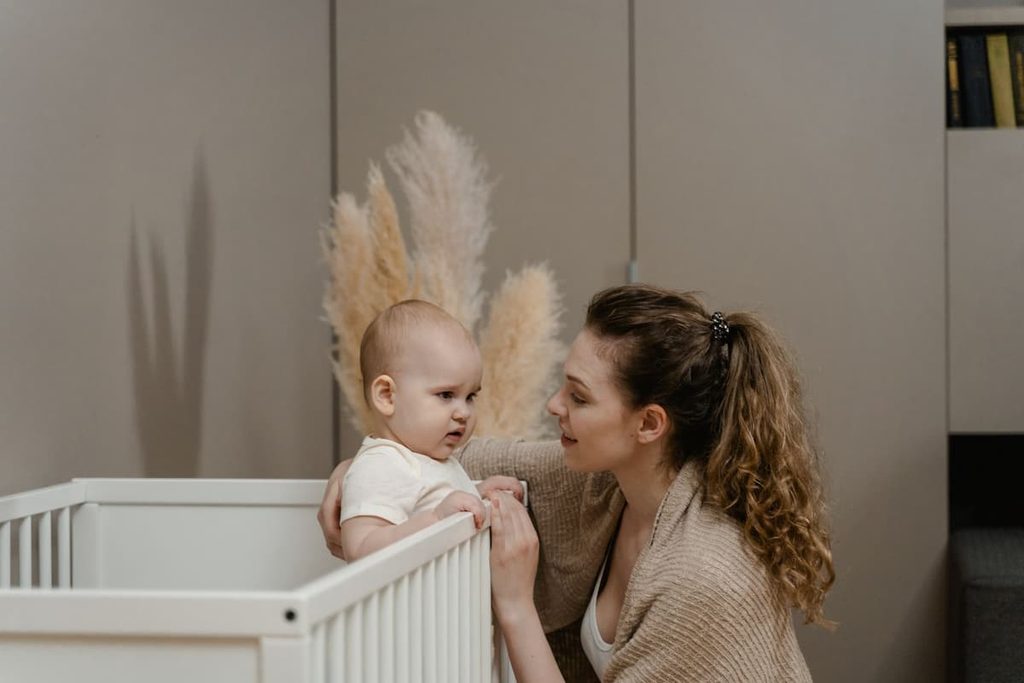
That finding became part of a larger idea about human development: perhaps morality does not begin with parents teaching children rules. Perhaps some of its foundations are already present before formal teaching begins.
But there is a crucial distinction.
A preference is not necessarily a moral judgment.
A baby might prefer a helper because the interaction is easier to understand, more predictable, or simply more interesting. That does not automatically mean the baby has formed the moral concept that helping is right and hindering is wrong.
This distinction became especially important when researchers tried to repeat the classic experiment.
The Famous “Baby Morality” Finding Did Not Hold Up as Strongly
In science, an interesting result becomes much more convincing when independent researchers can reproduce it.
In 2026, researchers conducted two conceptual replications of the classic helping and hindering experiment with nine-month-old infants in Norway and Indonesia.
The results were much weaker than the original findings.
In the two new studies, about 58% and 57% of infants selected the helpful character. Neither result was significantly different from chance.
The researchers then combined the available experiments in a meta-analysis. Across 15 experiments, infants chose the prosocial character about 58% of the time.
That is a preference, but it is a much smaller effect than the original study suggested.
The researchers also found that the stronger effects appeared to be concentrated in particular research settings, raising questions about how reliably the original finding generalizes across laboratories and cultures.
This does not prove that babies have no early social understanding.
Instead, it changes what we can reasonably conclude from the evidence.
The strongest version of the claim would be:
“Babies are born with a moral sense.”
The evidence does not justify that conclusion.
A more cautious interpretation is:
“Babies may begin life with some abilities that allow them to process and evaluate social behavior.”
That may sound like a small difference.
Scientifically, it is a major one.
Babies May Be Building a Moral World Before They Can Talk
Other research suggests that infants can do more than simply react to helpful or harmful actions.
A 2026 study examined whether infants between 12 and 24 months could form expectations about the moral characteristics of people involved in complex social interactions.
The researchers found that infants could distinguish different social roles, such as an aggressor, a victim, and someone who intervened to protect another person. They also formed expectations about how these people might behave later, including expectations related to fair resource distribution.
Importantly, the strength of some of these moral character inferences was associated with social experience. Infants with siblings or childcare experience showed stronger differentiation in some of the tasks.
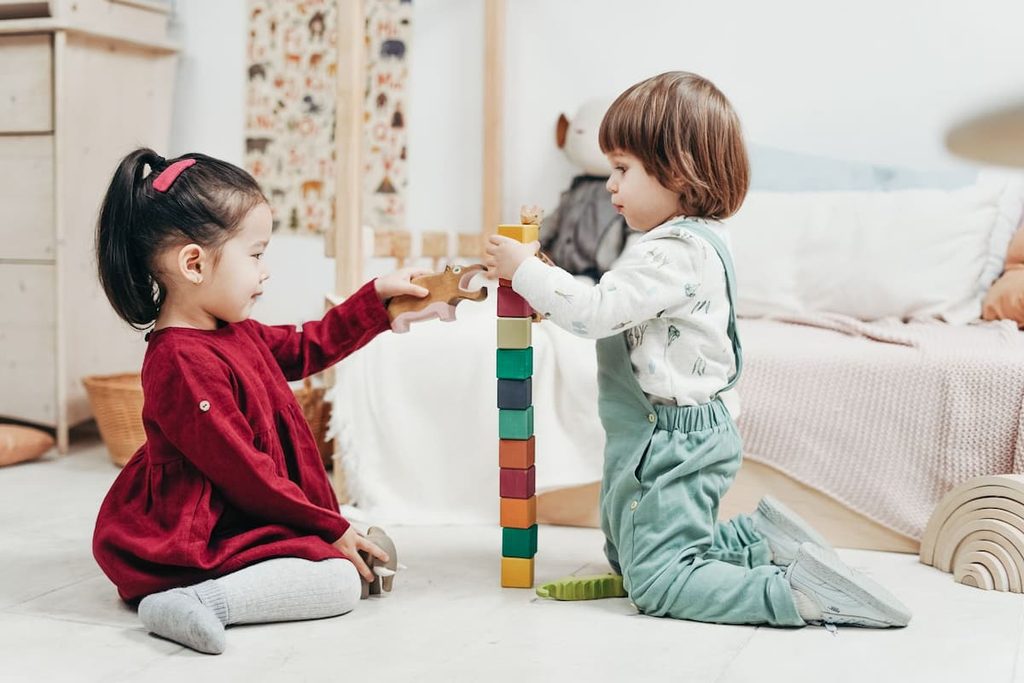
This creates a more interesting picture of early morality.
The infant brain may not contain a finished rulebook saying which actions are good and which are bad.
Instead, infants may begin with cognitive tools for understanding people, goals, relationships, and social interactions. Experience can then help those tools become increasingly sophisticated.
That is very different from saying that morality is simply taught from scratch.
So Where Does Morality Come From?
This brings us to the familiar argument between nature and nurture.
One side says human behavior is strongly shaped by biology. The other emphasizes parents, culture, education, and experience.
But human morality may not fit neatly into either category.
Twin studies provide one reason.
Research following thousands of twin pairs has found that prosocial behavior is influenced by both genetic and environmental factors. Interestingly, the balance can change as children grow.
In one large longitudinal study, shared environmental influences were relatively strong during early childhood but became much smaller by middle childhood, while genetic influences became more prominent.
This does not mean that a child’s morality is, for example, “60% genetic.”
That would be a misunderstanding of heritability.
Heritability describes differences between individuals within a particular population and environment. It does not tell us what percentage of one person’s behavior comes from genes.
More importantly, genes and experience do not operate as two independent switches.
A child’s biological tendencies can affect how they respond to other people. Those responses can then influence the experiences they receive. Parents, siblings, teachers, and peers respond to the child’s behavior, while the child simultaneously learns from those interactions.
Development is therefore not a simple competition between nature and nurture.
It is an interaction.
Maybe the Question Is Wrong
If we return to the original question, the usual choices are tempting.
Are humans born good?
Are humans born bad?
Or are they born morally neutral and shaped by their environment?
Scientific evidence does not cleanly support any of these as a complete answer.
There is little reason to think that newborns enter the world as miniature saints. But there is also little reason to think they are blank slates with no social capacities.
Instead, humans appear to begin life with a collection of abilities that can become the foundation for moral understanding.
They can pay attention to other people’s actions.
They can learn about goals and relationships.
They can respond to social interactions.
As their brains develop and their experiences accumulate, these abilities become connected with language, memory, emotion, social rules, and cultural expectations.
Eventually, the simple question of “Who helped?” can become something much more complicated:
Was the action intentional?
Was it fair?
Did the person have a good reason?
Would the same action be acceptable in another situation?
Should someone be punished?
Should someone be forgiven?
None of those questions can be answered by a six-month-old.
But the capacity to begin learning about other people appears remarkably early.
We May Not Be Born Good. We May Be Born Capable of Becoming Moral.
This changes the meaning of the original question.
Perhaps morality is not something that suddenly appears when a child learns the difference between right and wrong.
And perhaps it is not a complete trait hidden inside the newborn brain either.
A better way to think about it is as a developing system.
Biology provides the starting equipment.
Early social abilities give the infant ways to understand other people.
Experience supplies information about relationships, consequences, cooperation, conflict, and social expectations.
Culture adds another layer by teaching which behaviors a particular society considers acceptable or unacceptable.
Over time, these pieces interact.
The result is the complicated moral reasoning that adults use every day.
This also explains why two people can have very different moral judgments even though both began life with broadly similar human capacities.
Their biology is not identical. Their experiences are not identical. Their relationships, cultures, learning histories, and environments are not identical.
Morality therefore may be neither purely inherited nor completely taught.
It may be something humans are biologically prepared to develop.
And that leads to a more interesting answer to the question we started with.
Humans may not be born good or bad. We may be born with the capacity to become moral.
That distinction matters.
Because if morality begins as a developing capacity rather than a finished trait, then being human does not simply mean possessing a fixed amount of goodness.
It means having a brain capable of learning what other people need, recognizing cooperation and harm, and gradually constructing ideas about how people ought to treat one another.
The surprising part is not that babies already know what is right.
It is that the building blocks from which our ideas of right and wrong eventually emerge may begin developing long before we can even say the words.
Scientific Sources
1. Hamlin, J. K., Wynn, K., Bloom, P. “Social evaluation by preverbal infants.” Nature. 2007;450(7169):557-559. PMID: 18033298. DOI: 10.1038/nature06288. Read the study on PubMed
2. Rimol, L. M., Pfuhl, G., Kjelsbøl, S. L., et al. “Do 9-month-old infants prefer prosocial others? Two conceptual replications and a meta-analysis of the Hamlin & Wynn box opening/closing paradigm.” Child Development. 2026;97(3):696-709. PMID: 41830553. DOI: 10.1093/chidev/aacaf052. Read the study on PubMed
3. Zeng, N. J., Gill, I. K., Sommerville, J. A. “Infants make moral character inferences in multi-agent social interactions.” Communications Psychology. 2026;4:51. PMID: 41680301. DOI: 10.1038/s44271-026-00417-8. Read the study on PubMed
4. Knafo, A., Plomin, R. “Prosocial behavior from early to middle childhood: genetic and environmental influences on stability and change.” Developmental Psychology. 2006;42(5):771-786. PMID: 16953685. DOI: 10.1037/0012-1649.42.5.771. Read the study on PubMed
5. Lockwood, P. L., van den Bos, W., Dreher, J.-C. “Moral Learning and Decision-Making Across the Lifespan.” Annual Review of Psychology. 2025;76:475-500. DOI: 10.1146/annurev-psych-021324-060611. Read the review