[Bit#109] Aspirin: How Science Turned Toxic Willow Bark into Medicine?
Introduction
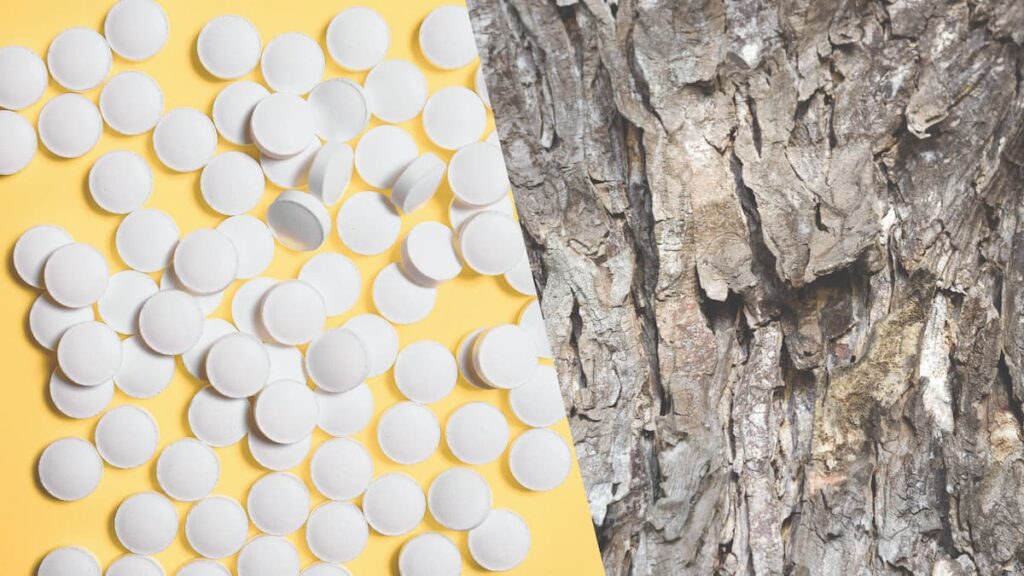
Willow bark has been a natural pain reliever for thousands of years. However, behind this natural herb hid a deadly toxicity that destroyed the stomach. Humanity was constantly torn between the miracle of pain relief and the threat of gastrointestinal bleeding. How did scientists isolate the side effects on the knife-edge between medicine and poison to create aspirin, a monumental legacy of modern medicine? By exploring the chemical revolution that transformed a natural toxin into a life-saving drug along with the anti-inflammatory mechanisms of salicylic acid, we can deeply appreciate how dangerous nature was reborn as a miracle cure for humankind.
1. Ancient Medical Discoveries and the Fatal Limitations of Willow Bark

Around 400 BC, Hippocrates, known as the father of modern medicine, prescribed boiled willow bark tea to patients suffering from severe fevers and pain. The results were truly remarkable. Patients’ high fevers dropped instantly. Stabbing pain vanished without a trace. This miracle was brought about by a compound hidden inside willow bark called salicin. Once introduced into the human body, salicin undergoes a metabolic breakdown and converts into salicylic acid. This salicylic acid was the true protagonist responsible for suppressing inflammation and extinguishing pain.
However, a fatal flaw lay hidden within this outstanding natural cure, striking fear into humanity. Why was that? It was due to the powerful acidity inherent to salicylic acid. The moment salicylic acid hit the stomach, it aggressively irritated and damaged gastric wall cells. Patients taking the medicine suffered from severe vomiting and intense stomach cramps. In severe cases, the stomach lining eroded, leading to gastrointestinal bleeding where patients vomited blood clots. Trying to eliminate pain paradoxically resulted in contracting a far more life-threatening condition.
The root cause of this destructive side effect was hidden within the molecular structure of salicylic acid. The culprit was a chemical structure attached to one side of the salicylic acid molecule called the phenolic hydroxyl group (-OH). This phenolic hydroxyl group exhibited strong acidity and directly attacked the proteins of gastric mucosal cells. It retained properties that directly irritated cells and induced inflammation. While its therapeutic efficacy was extraordinary, its toxicity was simply too potent for safe human consumption.
This gift from nature stood precariously right on the razor-thin border between poison and medicine. For thousands of years, humanity was forced to surrender to these deadly side effects despite fully recognizing the incredible benefits of this natural substance. Avoiding toxicity meant abandoning the drug, while gaining therapeutic relief required enduring the destruction of the stomach. Was there truly no way to perfectly preserve the powerful anti-inflammatory effect of salicylic acid while completely eliminating the toxin attacking the stomach? Thus began the risky yet heroic quest of chemists aiming to overcome the limitations of ancient medicine.
2. Bayer’s Chemical Twist Overcoming Salicylic Acid’s Toxicity
Facing salicylic acid and its double-edged nature of toxicity and therapeutic power, the German pharmaceutical company Bayer stepped onto the stage. In the 1890s, Felix Hoffmann, a researcher at Bayer, had a desperate personal motive. His father, suffering from rheumatoid arthritis, complained of excruciating stomach pain every time he took salicylic acid. Hoffmann’s relentless chemical venture began out of a heartfelt desire to save his father.
Hoffmann’s objective was crystal clear: mask the phenolic hydroxyl group (-OH), the exact structure attacking the stomach wall, with another molecular entity. Chemists refer to this process as an acetylation reaction. He triggered a chemical reaction by adding acetic anhydride to salicylic acid. Consequently, the hydrogen atom of the hydroxyl group detached, and an acetyl group (-COCH3) took its place.
Finally, in 1897, a completely unprecedented substance was born: acetylsalicylic acid, known to the world today as aspirin. This minute alteration in molecular structure fundamentally reshaped medical history. Why was that? Because as the acetyl group wrapped around the hydroxyl group, the overall acidity weakened, preventing it from directly attacking the stomach lining.
Aspirin remains quietly dormant after oral ingestion, passing through the stomach without irritating the gastric wall. Only when it reaches the intestines or gets absorbed into the bloodstream does the acetyl group finally break down, reverting the compound back to its active salicylic acid form. It was a dramatic twist that safely protected the stomach while unleashing 100% of its anti-inflammatory potency.
It marked the defining moment when a natural substance was completely redesigned to eradicate toxicity and emerge as a revolutionary new drug. Humanity finally stepped out of the terror of stomach destruction and entered an era where pain could be controlled with absolute safety.
3. The COX Enzyme Inhibition Mechanism Revealed at the Molecular Level
How exactly does aspirin eliminate pain in the body after neutralizing its side effects? This secret remained unraveled until the 1970s. British pharmacologist John Vane discovered that aspirin directly turns off the body’s pain switches. This groundbreaking discovery earned him the Nobel Prize in Physiology or Medicine.
What happens in our body when we get injured or inflamed? Cells immediately manufacture a substance called prostaglandin. Prostaglandin stimulates nerves to signal pain and raises body temperature to induce fever. In short, it functions as an emergency alarm system signaling that something is wrong in the body.
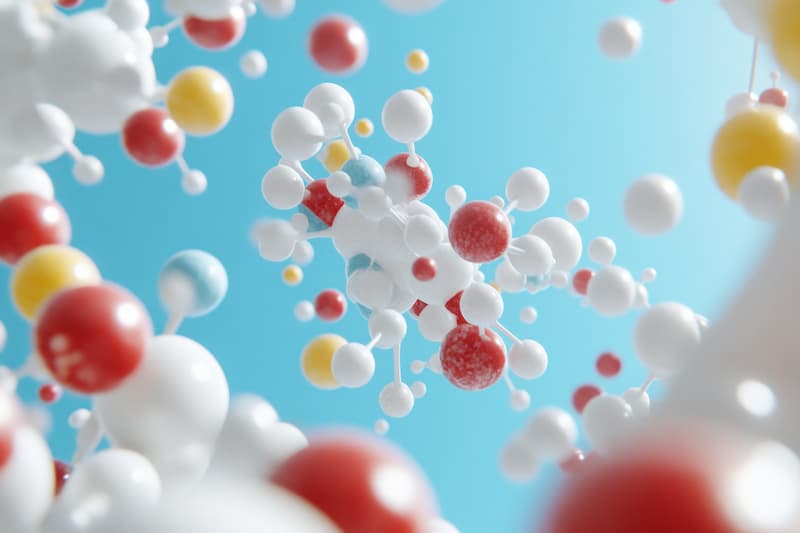
Who produces this prostaglandin? It is an enzyme called cyclooxygenase, abbreviated as COX. The COX enzyme operates like a factory, endlessly pumping out prostaglandin molecules. Aspirin marches directly up to this COX enzyme factory and shuts its doors down.
The acetyl group of aspirin fits precisely into the entrance of the COX enzyme like a custom key. It chemically modifies and blocks the active site of the enzyme. The raw material inlet required to manufacture pain alarm signals becomes completely sealed off. As aspirin irreversibly inhibits the enzyme like a molecular kamikaze attack, prostaglandin can no longer be produced.
The outcome was astonishing. Inflammatory cascades halted, and sharp pain dissipated. Fevers dropped rapidly. Aspirin was not merely tricking the brain into ignoring pain signals; it activated a flawless molecular anti-inflammatory mechanism that permanently halted the very chemical factory producing the pain.
4. The Legacy of Synthetic Pharmaceuticals in Modern Drug Discovery

The birth of aspirin, originating from humble willow bark, did not end merely with the creation of a simple painkiller. This tiny pill served as humanity’s very first success story in extracting an active ingredient from a natural product and modifying its chemical structure to overcome deadly side effects. It officially inaugurated the glorious era of modern synthetic pharmaceuticals.
Substances discovered in nature are often beneficial to the human body, yet they frequently carry fatal limitations like inherent toxicity or impurities. Aspirin proved that through chemical optimization, even toxic substances can be transformed into life-saving medicines. This successful mechanism became the foundational benchmark model for countless drug discovery pipelines that followed.
The acetylation technique pioneered by aspirin to minimize toxicity by restructuring chemical bonds provided immense inspiration to biological and pharmaceutical researchers worldwide. Countless antibiotics, anti-inflammatory analgesics, and cardiovascular therapies we rely on today were born out of similar processes that modify natural molecular structures. The wisdom of chemists who turned poison into medicine firmly laid the bedrock of modern healthcare.
More than a century after its inception, aspirin remains one of the most widely sold medications across the globe. Beyond its primary anti-inflammatory role, it is now extensively prescribed to prevent cardiovascular diseases and strokes by inhibiting blood clot formation. A microscopic component once hidden inside willow bark became a monumental scientific legacy that drastically extended human lifespan and elevated quality of life.
Conclusion
Aspirin, born by conquering the toxicity of willow bark, represents a quintessential example of human intellect and scientific technology triumphing over a lethal natural hazard. Through aspirin’s rich history, we come to realize that medicine and poison are separated by a razor-thin margin. Might the countless diseases and environmental threats facing us today simply mean that we have not yet deciphered the correct molecular solution? As humans master the complete control over nature’s toxins to transform them into medical legacies, it is worth contemplating deeply where the true value of science ultimately lies.
![[Bit#169] Why Do People Sweat Differently on Their Hands and Feet?](https://hiddenbitknowledge.com/wp-content/uploads/2026/09/main.sweaty-767x511.jpg)
![[Bit #155] The Secret of Unihemispheric Sleep: Why Some Animals Sleep with Half Their Brains](https://hiddenbitknowledge.com/wp-content/uploads/2026/09/mian.sleeping-768x419.jpg)
![[Bit#16] The Red Flow of Life: The Past and Future Told by Blood](https://hiddenbitknowledge.com/wp-content/uploads/2026/04/bf7bc0b95bfd-768x429.jpg)
![[Bit#60] The Mystery of Insect Metamorphosis: Rebirth Arising from Death](https://hiddenbitknowledge.com/wp-content/uploads/2026/06/f1929ee79876-768x514.jpg)
![[Bit#140] Crab Molting Secrets: Why Crustaceans Must Risk Death to Grow](https://hiddenbitknowledge.com/wp-content/uploads/2026/09/main.crab-molting-768x419.jpg)
![[Bit#2] Why We Fear the Dark: The Biological Blueprint of Nyctophobia](https://hiddenbitknowledge.com/wp-content/uploads/2026/04/260415_공포_main-768x555.jpg)