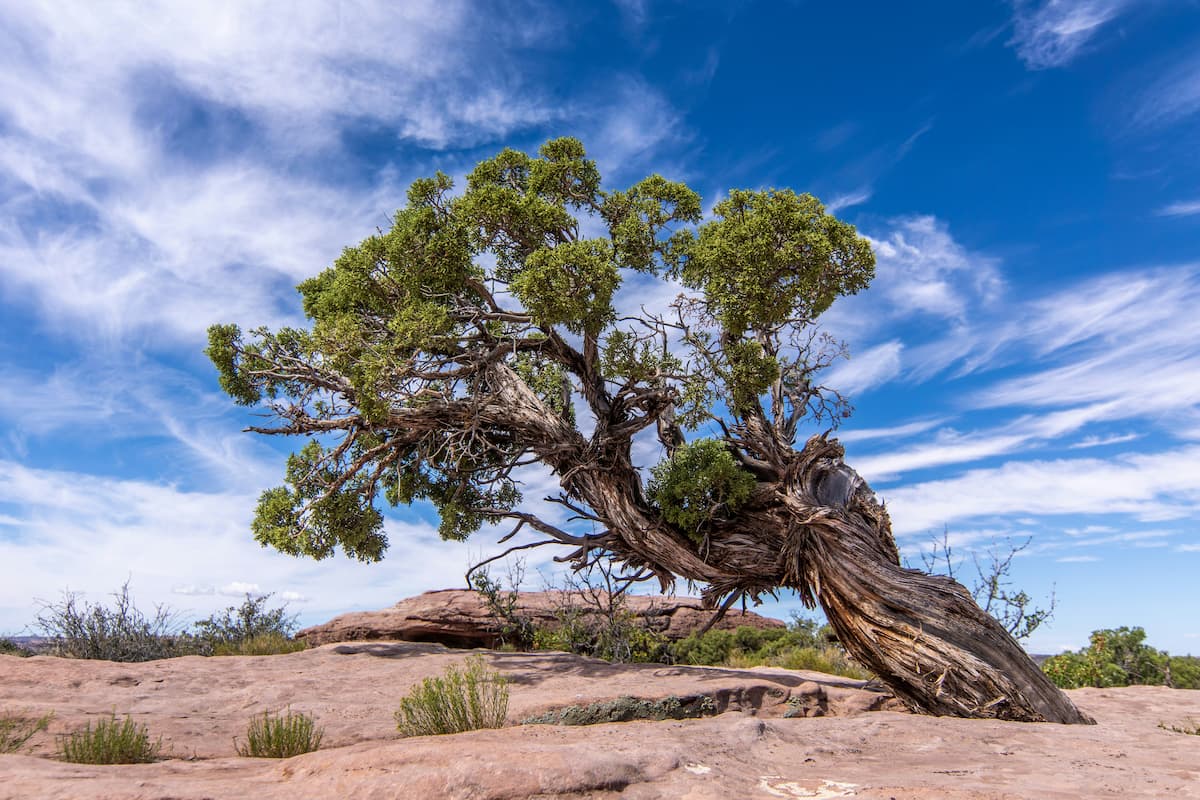
[Bit#69] The Secret to the Longevity of Trees That Endure for Thousands of Years
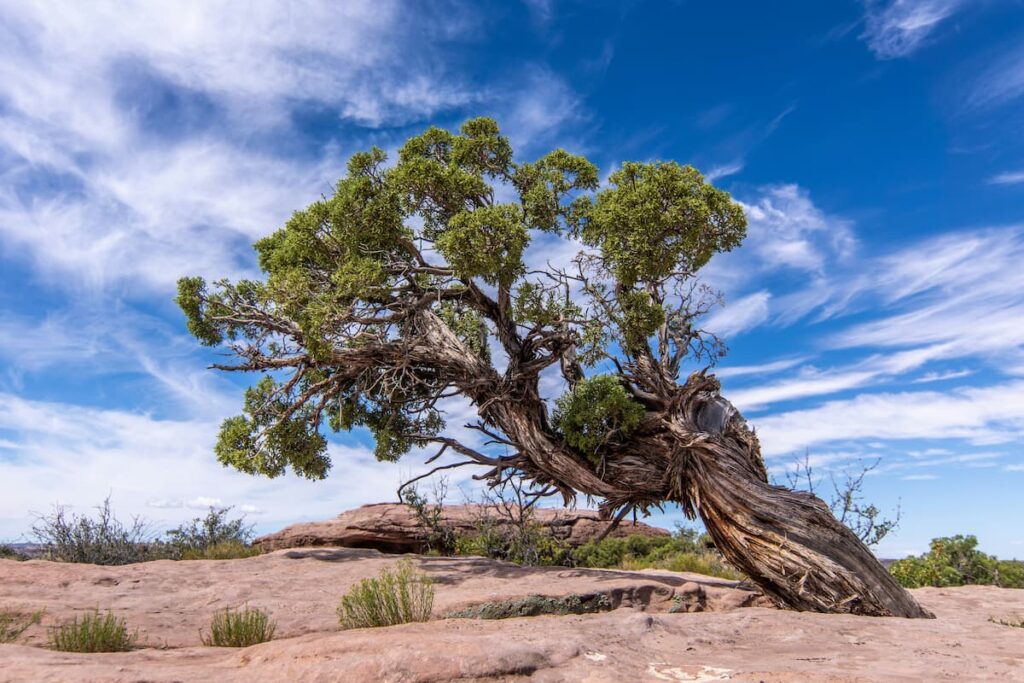
1. The Time of Trees Dreaming of Eternal Life
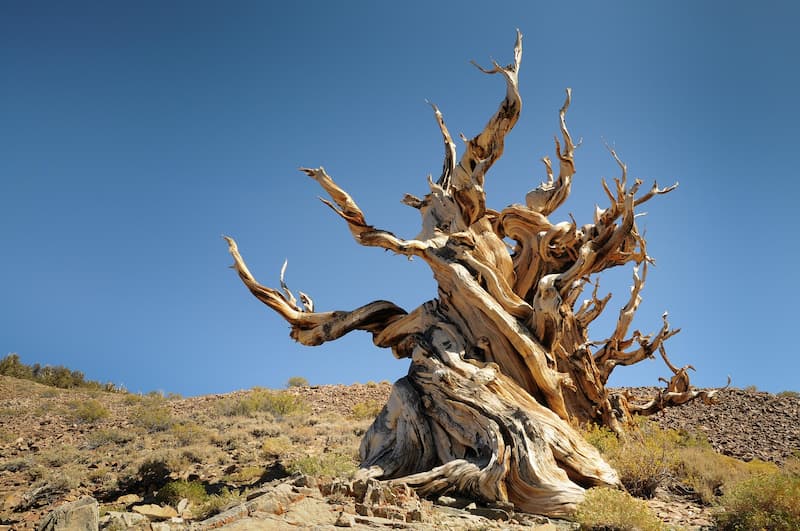
We often think of trees as passive beings. However, the reality is quite different. They are the most fiercely strategic living organisms on Earth. Look at the Bristlecone Pine in California’s White Mountains. This tree has lived for over 5,000 years. It has stood in that very spot since before human civilization even began. Why is this? How can they endure such a vast amount of time, incomparable to the human lifespan?
The secret lies in the fundamental difference in perspective on aging. Most animals, including humans, have limits to their cell division. After a certain period, physical functions decline sharply. This is because their cells grow old. But trees are different. They possess a special group of cells called meristems. These cells do not age. Every spring, the tree creates new cells. They are constantly cloning and regenerating their own bodies.
It does not end there. The way trees deal with wounds is also unique. When a tree is injured, it does not waste energy trying to heal the wound. Instead, it isolates that part from the rest of the tree. Even if a rotten part develops, it blocks it off and adds new tissue around it. It perfectly prevents disease from spreading throughout the whole tree. Thanks to this defense mechanism, trees maintain their vitality even after thousands of years.
Trees do not rush their growth. Rapid growth damages cells and wastes energy. When the external environment becomes harsh, trees drastically lower their metabolic activity. It is as if they are sleeping, preserving energy while waiting out the time. This strategy of living slowly is the core of reducing cell damage. Why do they endure so much? It is because the survival of a tree transcends the concept of time itself. We are amazed that they simply live for a long time, but the truly surprising fact is that they have incorporated even death as part of their own life system. The time of a tree flows differently from ours.
2. Tree Rings: A Record of Time and Evidence of Survival
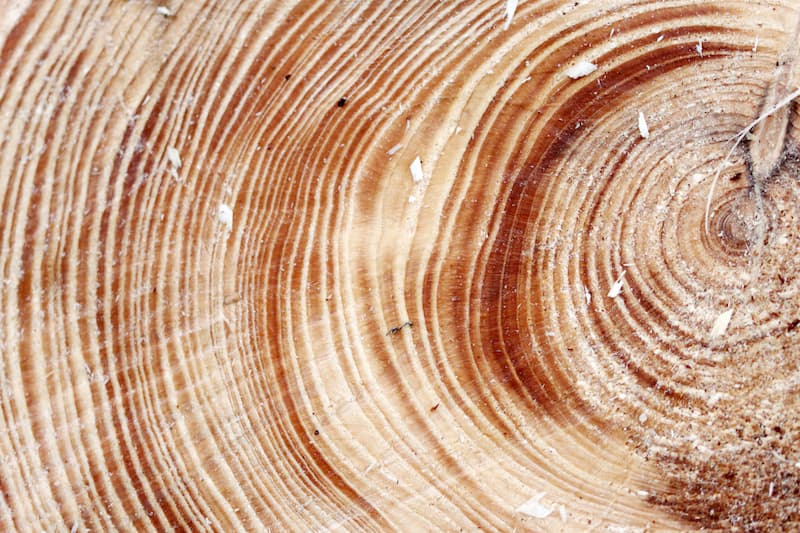
Tree rings are not just indicators that tell us age. They are like a black box that records the thousands of years of history the tree has traversed. Why do trees leave such precise records? Trees change their growth method every time to suit the seasonal changes. They grow quickly in spring and summer by creating large cells. Conversely, when autumn and winter arrive, they stack cells densely. This repeating cycle of contrasting growth creates what we know as tree rings.
Information about climate change is contained within these rings. The width of the rings increases in years with plenty of rain and warmth. Conversely, in years with severe droughts or harsh cold, the rings become very narrow. A thousand-year-old tree carries thousands of years of meteorological data from that region on its very body. This is why we analyze tree rings when researching past climates.
Then, how do trees never stop growing throughout their lives? The core lies in the vascular cambium located inside the trunk. This thin layer of cells divides continuously as long as the tree is alive. It creates xylem toward the inside to move water and phloem toward the outside to deliver nutrients. Because cells are constantly adding new tissue, the tree can grow in girth.
The interesting point here is the precision of cell division. Animal cells have a high risk of genetic information damage as they divide repeatedly. However, trees are different. They activate an enzyme called telomerase to protect the ends of their genes. Through this, they effectively control cellular aging. Trees are not just living a long time. They are renewing their own lives by covering old cells with new tissue. While trees may appear static to us, they are actually rewriting their existence every year to endure time. Perhaps this meticulous survival strategy is the real secret that made thousands of years of existence possible.
3. Metabolism and Environmental Adaptation Strategies That Reject Aging
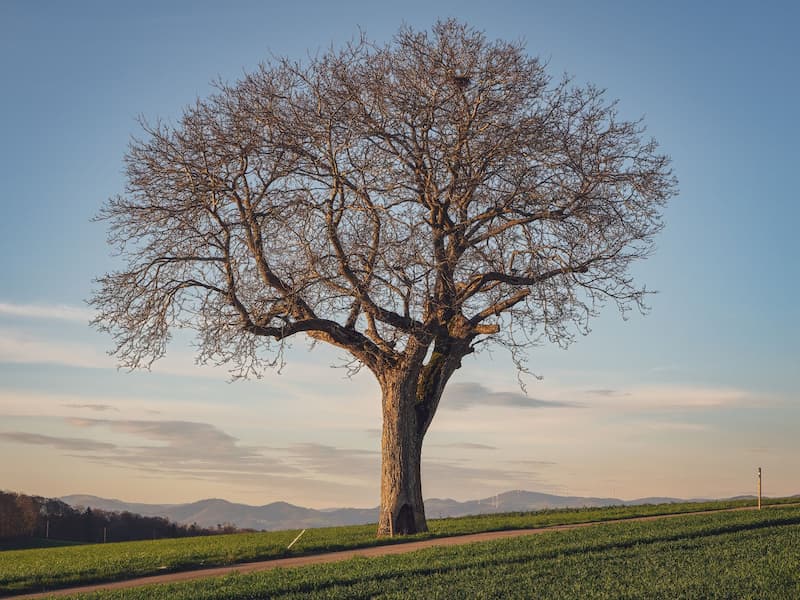
Another secret to why trees can live for thousands of years lies in their metabolic system that responds to the environment. Trees do not move by consuming energy rapidly like animals do. Instead, they choose to use energy extremely efficiently. This is the tree’s unique survival strategy.
What do trees do when they face a harsh environment? They stop growing. They shift the energy required for cell division to the minimum activities necessary for immediate survival. When nutrients are scarce or drought becomes severe, trees lower their metabolic activity to a minimum level. This is called dormancy. It is like sleeping for a long time, stockpiling energy while waiting for the situation to improve. This method becomes a very powerful shield that prevents cellular aging.
Saving energy is not enough. Trees generate powerful chemical substances to protect themselves from external attacks. When a wound occurs on the trunk or insects invade, the tree produces compounds like phenols or terpenes. These act as natural preservatives. They block fungi or bacteria from penetrating entirely. Thanks to this chemical defense system, trees can maintain their bodies without falling ill for thousands of years.
Trees even accept death as a part of themselves. As time passes, the interior of a tree is filled with dead cells. This is called heartwood. These dead cells become a sturdy pillar that supports the tree so it does not collapse. The exterior is constantly alive and moving, creating new cells, while the interior hardens to provide structural stability. Life and death coexist within a single body. Do you understand now why trees live so long? They are not simply enduring; they are operating a sophisticated life system that maintains an optimal state at every moment by synchronizing their biological rhythm with Earth’s time. The longevity of a tree is not a coincidence but the result of a meticulous metabolic strategy.
4. The True Meaning of Longevity Learned from Trees
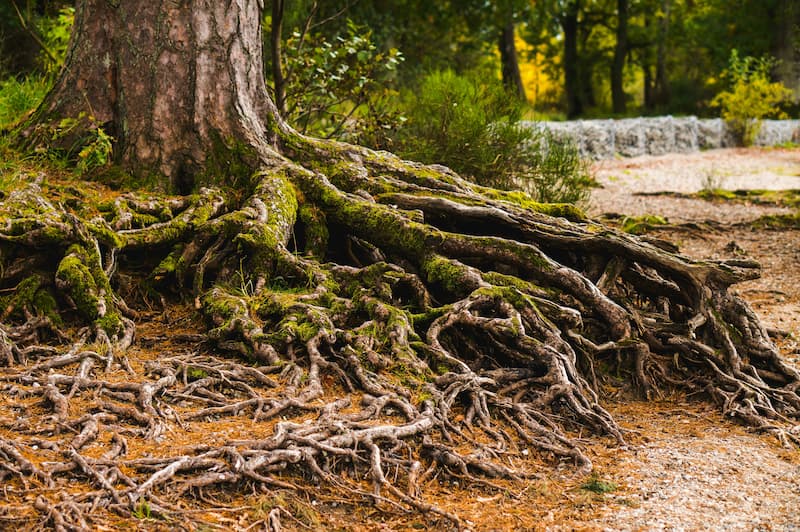
The long life of a tree is not just a result of mere time. It poses a monumental question to us about the essence of life. Why do we crave eternity while living such fleeting lives? Trees teach us the answer. True longevity is not about increasing the number of cells. It is a process of optimizing one’s life to the environment, not resisting change, and incorporating even death into one’s life system.
Humans always try to add something. We borrow external technology to stay healthier and younger. However, trees are different. They gain through subtraction. They boldly isolate old cells into heartwood and preserve energy by stopping growth when resources are scarce. Instead of recklessly expanding to protect their existence, they synchronize their biological rhythm with Earth’s time in their given environment. The reason we feel awe when looking at trees is not simply because they live a long time. It is because they follow a far more sophisticated and wise way of life than humans do.
What can we learn from the life of a tree? It is the way to fully live in the present moment. Trees live for thousands of years, yet they create new cells only every spring. They are not buried in the past and do not worry excessively about the future. They just sprout leaves and set roots as much as they need in this very moment. This is the secret to why trees do not die and continuously renew their lives.
Ultimately, the life of a tree shows us what maturity is. Getting older is not a process of cells aging. Rather, it is a process of recording the seasons one has experienced through tree rings and setting roots deeper. How is your time flowing? Are you building a solid vitality that does not fear even death, recording your own history every moment like a tree? Trees stand silently and tell us. The true value of life does not lie in the length of time. It depends on the attitude with which you are enduring life at this very moment.
![[Bit#39] The Miracle of Hibernation: The Secret of Animals Surviving at Zero Degrees](https://hiddenbitknowledge.com/wp-content/uploads/2026/05/4585f0920812-768x512.jpg)
![[Bit#100] The Secret of the Tuatara: A Living Dinosaur That Survived 200 Million Years](https://hiddenbitknowledge.com/wp-content/uploads/2026/07/main.Tuatara-768x576.jpg)
![[Bit#13] Blessing or Curse? The People with the “Pain Switch” Turned Off](https://hiddenbitknowledge.com/wp-content/uploads/2026/04/5ab74558154b-768x512.jpg)
![[Bit#41] The Mystery of the Eye: Human Megapixels and Animal Vision](https://hiddenbitknowledge.com/wp-content/uploads/2026/05/35a56faed904-768x500.jpg)
![[Bit#61] The Principles and Fatal Flaws of Lie Detectors](https://hiddenbitknowledge.com/wp-content/uploads/2026/06/a9e7593c4bfc-768x512.jpg)
![[Bit#85] Is a Virus Alive? The Shocking Truth Behind the Ultimate Biological Mystery](https://hiddenbitknowledge.com/wp-content/uploads/2026/07/main.virus_-768x512.jpg)