[Bit#70] Beyond Blood Types: The Hidden Connection Between Your Blood and Immune System
1. The Definition of Blood Type and Its Immune Connection: Why Does Our Body Attack Specific Antigens?
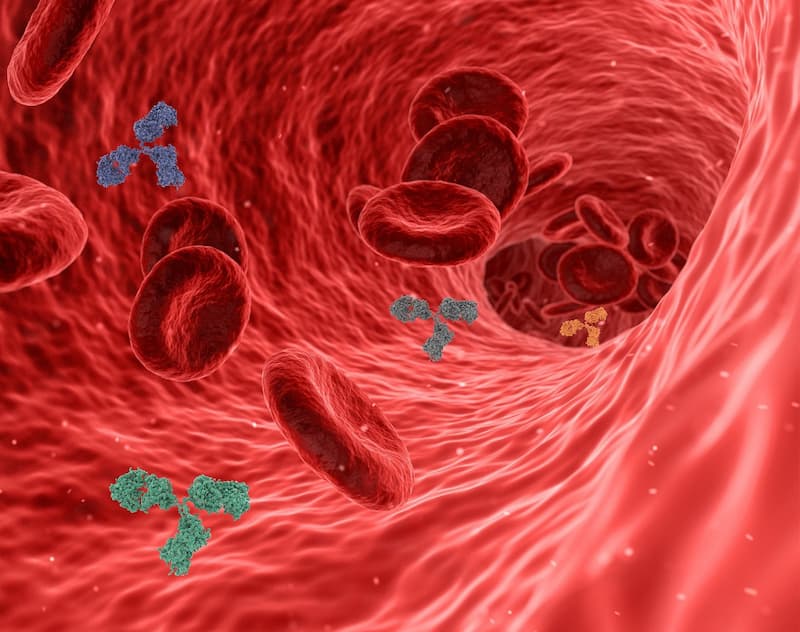
We often perceive blood types as mere classifications for blood transfusions. However, blood types are vital indicators of our body’s survival-defining immune system. Why does our body react so sensitively to specific blood types? The answer lies in the sophisticated defense system known as antibodies.
On the surface of red blood cells, numerous sugar chains protrude. We call these antigens. Type A has A antigens, Type B has B antigens, and Type AB possesses both. Conversely, Type O lacks these antigens entirely. Our immune system is remarkably intelligent. From birth, it learns to recognize ‘self’ antigens as part of our body. When it encounters unfamiliar antigens, it immediately identifies them as intruders and produces antibodies to attack. This is why blood types must be compatible for a transfusion; it is a reaction to this powerful defense mechanism.
Diving deeper, we uncover an even more astonishing fact. Blood type antigens are not limited to red blood cells. They are distributed throughout the body, including vascular endothelial cells, digestive tract mucosa, and even the respiratory system. What does this mean? If an invading bacterium or virus possesses a structure similar to our body’s antigens, our immune system might mistakenly perceive the intruder as part of ourselves.
Conversely, individuals with certain blood types can identify the surface structures of pathogens much faster and launch a more powerful attack. In other words, our immunity against diseases varies depending on how closely our blood type antigens resemble the surface structure of the invaders. Ultimately, blood types are not just labels for dividing blood. They are the result of high-level immune strategies that humanity has evolved over millions of years while competing for survival against countless pathogens. Moving beyond a mere criterion for blood sharing, blood types serve as the oldest survival manual our bodies have used to fight against disease.
2. The Secret of Disease Resistance: Why Are Some Blood Types More Susceptible or Resistant?
If blood type is the frontline of the immune system, it is naturally expected that the probability of contracting specific diseases varies by blood type. Diseases are intruders knocking on our body’s doors. Depending on the shape of your ‘blood type door handle,’ an intruder might be granted entry or be turned away at the door.
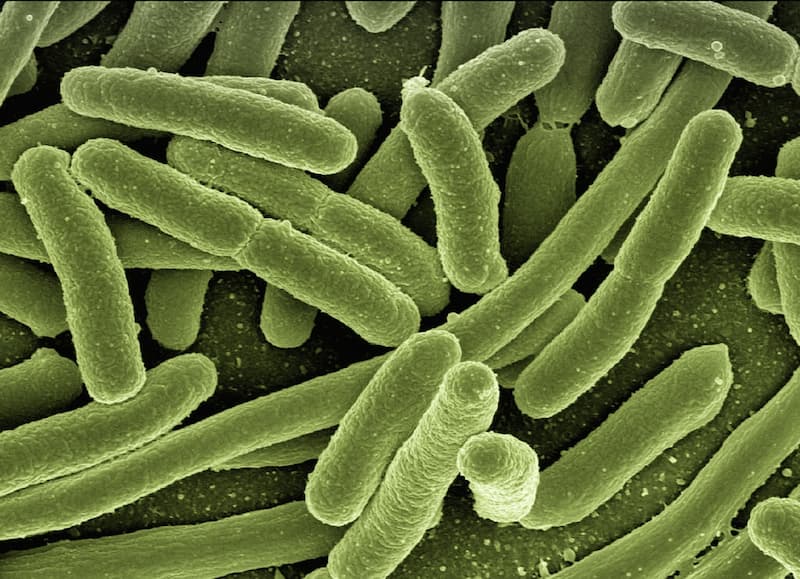
Let’s take an example. Diseases like cholera, which once struck terror into humanity, are a prime case. The cholera bacterium attaches to the mucosal cells of our body and releases toxins. Interestingly, people with Type O have a specific receptor environment that interferes with the bacteria’s ability to attach to cells. Consequently, Type O individuals show relatively stronger immunity to gastrointestinal symptoms like cholera. Why? Because over tens of thousands of years of epidemics, those with blood types resistant to such diseases survived and passed their genes to future generations.
What about Type A? Individuals with Type A often possess more receptors favored by specific viruses or cancer cells. This provides an environment where viruses can penetrate cells much more easily. Ultimately, the susceptibility of a specific blood type to a disease is not merely a matter of bad luck. It is a record etched into our bodies as our ancestors navigated fierce battles for survival.
But that is not all. Diseases like malaria launch lethal attacks on individuals with certain blood types. This is because the red blood cells of specific blood types possess protein structures that malaria parasites thrive on. In this way, diseases pick and choose blood types to attack, and blood types have evolved to resist them. Even at this moment, we are fighting invisible enemies with the powerful shield of blood type passed down from our ancestors. In the next section, we will examine how these intriguing data are being specifically proven in modern medicine.
3. Data Revealed by Modern Medicine: How Do Blood Types Influence Infectious and Chronic Diseases?
For decades, scientists have proven the link between blood types and diseases through large-scale epidemiological studies. Unlike the past, where this was merely speculation, concrete data now supports these facts. Why are some blood types more exposed to certain diseases?
One of the most interesting findings is the relationship between cardiovascular disease and blood type. Studies show that individuals with Type A, B, or AB have a slightly higher risk of developing blood clots compared to those with Type O. Why? Because the concentration of the von Willebrand factor, a protein involved in blood clotting, is relatively lower in Type O individuals. Conversely, while Type O might experience slower clotting during bleeding, they possess a defense mechanism that is relatively safer against thrombi that block blood vessels.
Digestive system diseases, such as stomach cancer, are also closely linked to blood types. Helicobacter pylori, the primary culprit behind inflammation of the gastric mucosa, tends to proliferate more actively in the stomach lining of people with specific blood types. This is because the sugar chain structure of those blood types acts as an optimized ‘lure’ for the bacteria to attach. Diseases cleverly exploit these genetic vulnerabilities.
Furthermore, recent years have seen reports of differences in viral infections that have swept the globe based on blood types. It has been statistically and significantly shown that certain blood type groups have a higher probability of progressing to severe infection. The prevailing analysis suggests this is because the specific enzymes or cell surface proteins that viruses use to invade cells are physically located near the genes that determine blood type. Modern medicine is only scratching the surface of this vast data. However, the clear fact remains: our blood type has already drawn a map of the diseases our bodies will face throughout our lives.
4. The Future of Health Management: The Possibility of Personalized Preventive Medicine

The relationship between blood type and disease discussed so far transcends mere curiosity. It is a key for the future of medicine: personalized preventive medicine. Our bodies possess unique biological blueprints from birth. Blood type is a crucial part of that blueprint. Future medical care will begin with the analysis of a patient’s blood type and genetic characteristics.
Let’s consider an example. If it is revealed that a specific blood type is susceptible to cardiovascular disease, those individuals can proactively adjust their diet or lifestyle. This is not a reactive measure taken after a disease occurs; it is a strategic response to predict and block the possibility of disease before it starts. AI and big data technologies are making this process more sophisticated. We are moving toward an era where customized health guidelines based on blood types are provided in real-time by analyzing the genetic information of millions of people.
Of course, blood type does not determine everything about our health. Factors we can control, such as environment, diet, and exercise, are far more important. However, understanding the biological strengths and weaknesses of your own blood type is a very wise approach. As the saying goes, ‘Know yourself and know your enemy, and you will never be defeated.’ Understanding the characteristics of our blood type to fight against the invisible enemy called disease is like gaining another powerful weapon.
As science advances, more information hidden in blood types will be revealed. We are now moving past the era of simply fixing what is sick, and into an era of understanding our own genetic traits to prevent disease. How much attention are you paying to the health signals your blood type is giving you? Perhaps that small signal from your blood type could be the decisive clue to creating a healthier future.
![Why Do We Get Hiccups? The Science Behind That Sudden “Hic” [Bit#176]](https://hiddenbitknowledge.com/wp-content/uploads/2026/10/main.hiccups-768x419.jpg)
![Your Stomach Rebuilds Its Protective Lining Every Few Days [Bit#182]](https://hiddenbitknowledge.com/wp-content/uploads/2026/10/main-image-766x418.png)
![[Bit #155] The Secret of Unihemispheric Sleep: Why Some Animals Sleep with Half Their Brains](https://hiddenbitknowledge.com/wp-content/uploads/2026/09/mian.sleeping-768x419.jpg)
![[Bit#144] Hidden Mechanisms of How Fine Dust Destroys the Lungs](https://hiddenbitknowledge.com/wp-content/uploads/2026/09/main.dust_-767x428.jpg)
![[Bit#27] The Science of Scent: Invisible Signals of Disease](https://hiddenbitknowledge.com/wp-content/uploads/2026/05/97a6d88c7e31-768x431.jpg)
![Why Do Bruises Change from Purple to Yellow? The Chemistry of Hemoglobin Breakdown [Bit#175]](https://hiddenbitknowledge.com/wp-content/uploads/2026/10/main.healing-768x419.jpg)