[Bit#98] Carbon Capture Technology Turning Carbon Dioxide into Stone
Introduction
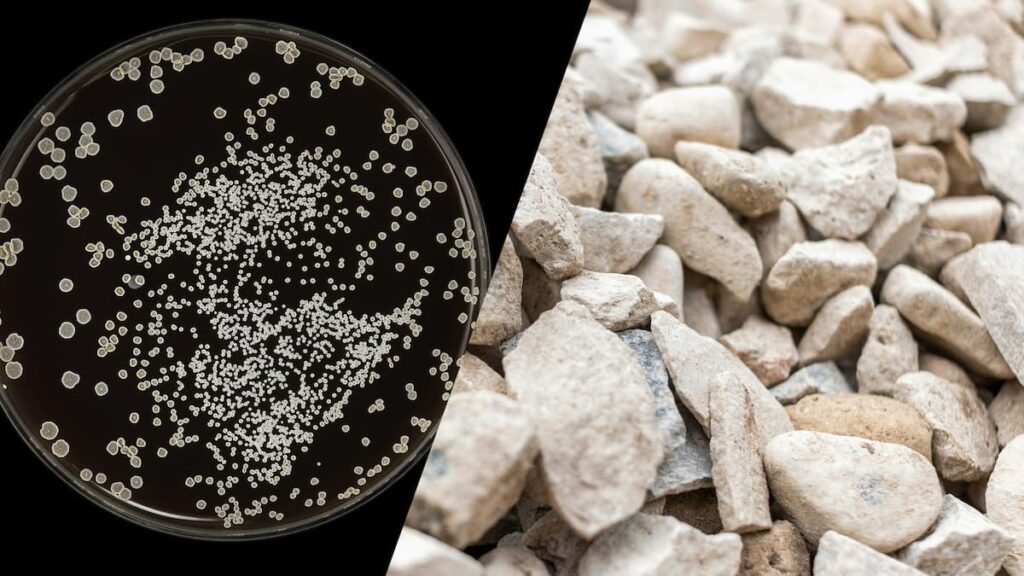
Beyond simply trapping carbon dioxide, the main culprit of global warming, microbial technology that permanently transforms it into stone is drawing attention. This principle chemically accelerates the microbial calcification process, which takes nature thousands of years to complete. Can we truly return carbon back to the Earth as part of the planet through technology? Let us examine together whether this technology can serve as the ultimate key to resolving the climate crisis.
1. The Secret of Microbes Turning Airborne Carbon into Stone
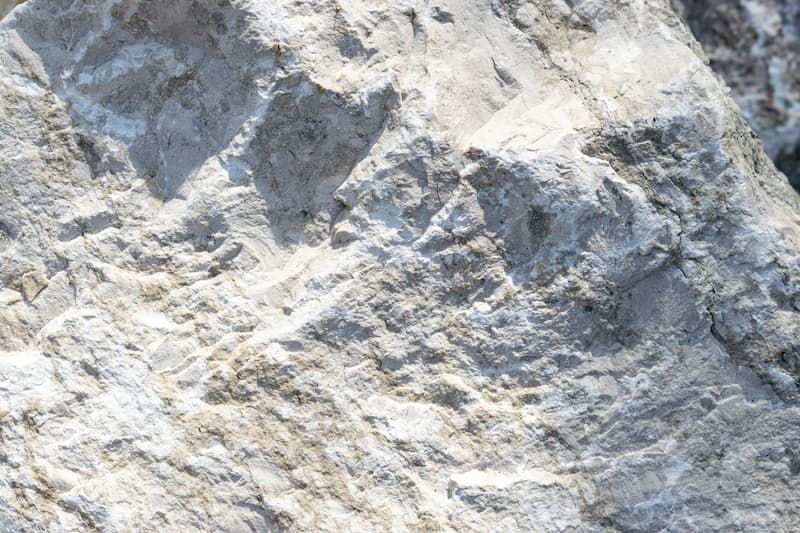
Did you know that an innovative key to solving the climate crisis is hidden within tiny underground organisms? Microorganisms are capable of transforming carbon dioxide, which floats in the air and heats up the earth, into solid stone.
The principle is simple yet astonishing. Certain specific microbes possess the ability to produce calcium carbonate through their respiration and metabolic activities. When these microbes secrete specific enzymes outside their cell membranes, a chemical reaction occurs between surrounding calcium ions and carbon dioxide in the air. As a result, transparent gas transforms into solid carbonate minerals.
Why should we utilize microorganisms? Traditional artificial carbon capture technologies required immensely high temperatures and pressures. Extreme costs were also a major problem. However, these microbes turn carbon into limestone through natural life activities without requiring additional artificial energy.
What is even more interesting is the speed. In nature, it takes thousands to tens of thousands of years for gaseous carbon to turn into rock. However, through the catalytic action of microorganisms, this time is dramatically reduced to a few days or weeks. It acts literally as a miraculous accelerator.
This biological process of converting harmful gas in the air into solid ground or construction materials that we step on is a powerful weapon capable of achieving net-negative carbon emissions beyond carbon neutrality. It is a mysterious natural mechanism where microbes grasp invisible carbon and permanently isolate it underground in the form of solid rock.
2. Technology to Replicate Natural Calcification at High Speed
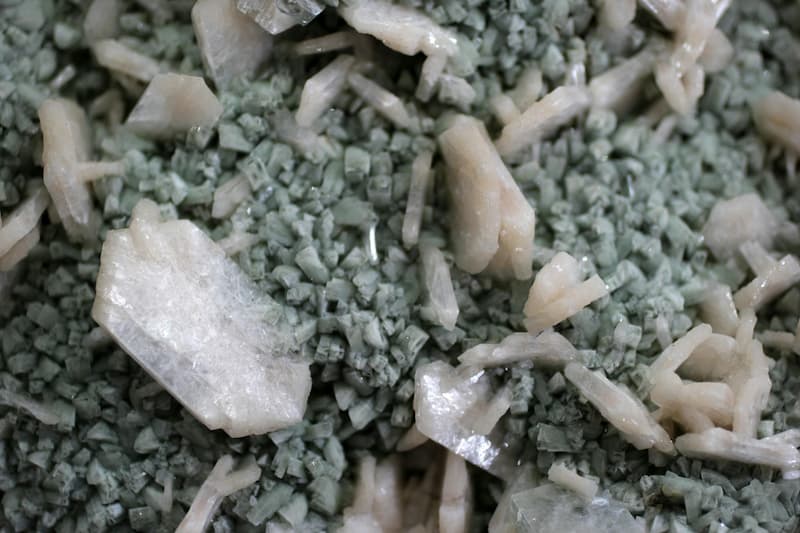
Nature is grand. Many of the massive rocks forming the Earth’s crust were created through biological calcification processes. Consider clam shells or coral reefs in the ocean. All of these are solid structures created by living organisms over long periods by combining calcium and carbon.
In a natural state, geological time is required for gaseous carbon dioxide to turn into solid rock. It takes at least hundreds to millions of years. This is far too long. It is hopelessly insufficient to solve the immediate climate crisis facing humanity. Why? Because the rate of carbon dioxide emitted by humans far exceeds the rate of natural absorption.
This is where brilliant ideas from scientists come into play. It is a technology that artificially replicates this natural calcification process to accelerate the speed tens of thousands of times. The core lies in enzymes produced by microbes. Carbonic anhydrase is a representative substance used here.
This enzyme rapidly reacts carbon dioxide in the air with water to turn it into carbonate ions. Do you know how fast this reaction is? A single enzyme converts hundreds of thousands of carbon dioxide molecules per second. When industrial exhaust gas passes through a reactor full of enzymes, liquid carbonate is produced in an instant.
Calcium ions secreted by microbes are supplied here. The liquid carbonate instantly clump together into solid calcium carbonate crystals. It is the moment where tens of thousands of years of natural processing are completed in just a few minutes.
What is the resulting material? It is white limestone powder that we commonly see. Gas molecules floating around in the air and heating the Earth have transformed into solid rocks that do not break even when stepped on. It is a achievement of compressing the great time of nature through human biotechnology. Isn’t it amazing to imagine gas coming out of factory chimneys turning into raw materials for cement or paving stones in just a few minutes?
3. Efficiency of Microbes Surpassing Conventional Chemical Carbon Capture
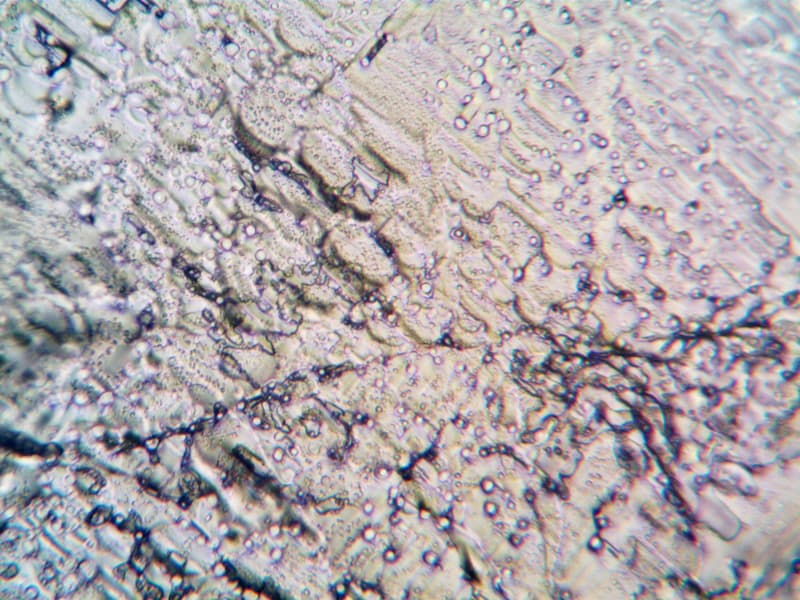
Technology to capture carbon dioxide in the air already exists. It is chemical capture technology that builds huge chemical plants to absorb gas. However, this method has a critical weakness: it requires massive amounts of electricity and heating energy. Enormous costs occur just to separate and compress captured carbon again. The remedy is worse than the disease.
Biological capture using microorganisms overcomes this limitation at once. Microbes cause metabolic actions on their own under ambient temperature and pressure conditions. There is absolutely no need to apply artificial heat. Factories do not need to install huge heat exchangers or high-pressure pumps. Microbes work by themselves as long as minimal nutrients and environmental conditions are provided.
In terms of energy efficiency, it is beyond comparison. Traditional chemical capture methods cost hundreds of dollars per ton. On the other hand, microbial calcification technology can reduce energy consumption by more than 80 percent. This is why it holds an absolute advantage in economic feasibility.
Safety is also unparalleled. Conventional chemical capture compresses carbon dioxide gas at high pressure and seals it deep underground. What if an earthquake or crustal movement occurs? A major disaster can occur where gas leaks out all at once.
However, rocks created by microbes are different because carbon dioxide has already turned into solid stone. No matter how strong an earthquake occurs, the stone does not turn back into gas and fly away. Permanent and safe isolation is accomplished.
This technology reduces costs and dramatically increases safety. Microbial capture, which perfectly complements the limitations of chemical capture, is the most ideal carbon reduction solution humanity has been searching for.
4. The Future of the Earth’s Environment Envisioned by Mineralized Carbon

Carbon mineralization technology through microorganisms holds the potential to fundamentally transform human life and industrial structures beyond simple greenhouse gas reduction. Harmful gases that used to be discarded are reborn as the safest and most useful resources on Earth.
The first field where innovation will occur is the construction industry. Calcium carbonate created by microbes can be immediately used as eco-friendly cement or concrete aggregate. Conventional cement manufacturing processes accounted for about 8 percent of total human carbon emissions, causing severe pollution. However, introducing this technology creates a miracle where carbon in the air is trapped underground as buildings are constructed. The entire city functions as a massive carbon storage facility.
The impact on the global environment does not end here. Ocean acidification can also be solved. Preemptively blocking and mineralizing carbon dioxide entering the ocean with coastal microbial technology can safely protect shellfish like clams and snails, which form the backbone of marine ecosystems, as well as coral reefs that serve as habitats for countless sea creatures.
Of course, challenges such as mass production and cost reduction remain. However, biotechnology is advancing day by day. Genetic engineering techniques that maximize enzyme efficiency and increase reaction speed in microbes are being introduced one after another. Soon, scenes of factory exhaust gas turning into road paving materials will become everyday life.
Ultimately, this technology is the first step for humanity, which used to destroy nature, to heal the Earth by replicating nature’s biological circulation system. On top of solid rocks created by microbes, the smallest living creatures, humanity is steadily building a more sustainable future.
Conclusion
Carbon mineralization technology using microorganisms is the safest and wisest alternative to overcoming the climate crisis. Converting invisible carbon in the air into solid stone transforms industrial waste into valuable resources. Resolving environmental problems created by humanity through the power of tiny microbes gives us significant implications. Can technological advancement transform humanity from destroyers of the Earth’s crust into useful beings that protect the ecosystem in perfect harmony with nature?
![[Bit#25] The Future Where Brain and Computer Become One: The Essence of BCI Technology](https://hiddenbitknowledge.com/wp-content/uploads/2026/05/0cff846367c9-768x431.jpg)
![[Bit#122] Synthetic Biology: The Dawn of an Era Designing Life Anew](https://hiddenbitknowledge.com/wp-content/uploads/2026/08/main.-Synthetic-Biology-768x419.jpg)
![[Bit#38] Is Traditional Eastern Medicine Truly Scientific?](https://hiddenbitknowledge.com/wp-content/uploads/2026/05/c687525e4da5-768x439.jpg)
![[Bit#73] The Martian Farmer’s Dream: Can Plants Truly Grow on the Red Planet?](https://hiddenbitknowledge.com/wp-content/uploads/2026/06/main.mars-teraforming-768x419.jpg)
![[Bit#95] 3D Bio-Printing: The Artificial Organ Revolution Challenging the Realm of God](https://hiddenbitknowledge.com/wp-content/uploads/2026/07/main.3D-bioprinter-768x512.jpg)
![[Bit#118] Hydroponics: The Science of Growing Plants Without Soil](https://hiddenbitknowledge.com/wp-content/uploads/2026/08/main.Hydroponics-768x512.jpg)