[Bit#157] The Science of Autumn Foliage: The Biochemical Secrets Behind Leaf Color Changes
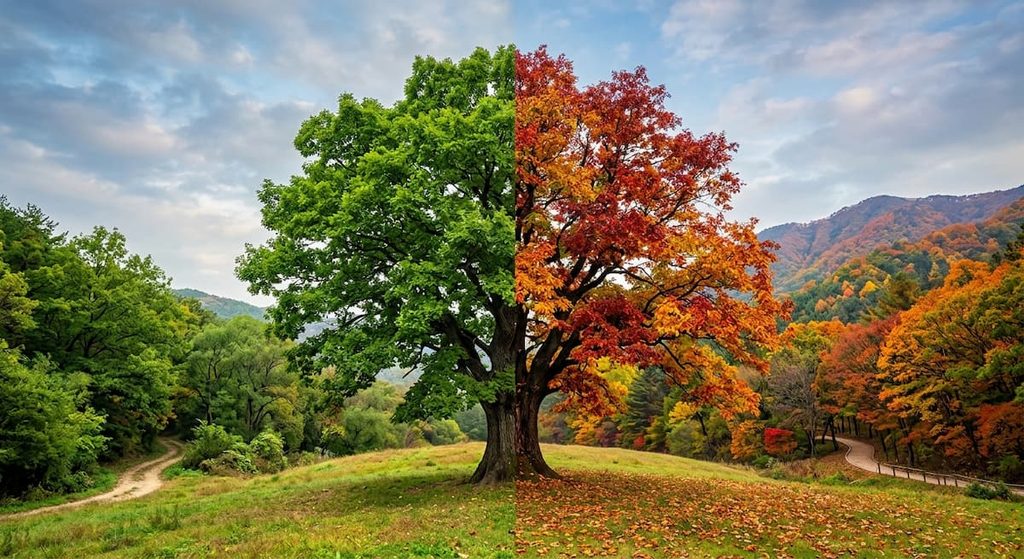
As autumn approaches, plants execute precise survival strategies to prepare for the harsh winter ahead. The changing colors of leaves represent far more than a simple seasonal shift; they are the result of chemical reactions designed to recover nutrients and prevent cellular damage. Why do some trees turn yellow while others turn vibrant red? What practical benefits do trees gain through this process? Let us examine the intricate science of plant survival.
1. The Exit of Chlorophyll and the Emergence of Yellow Pigments
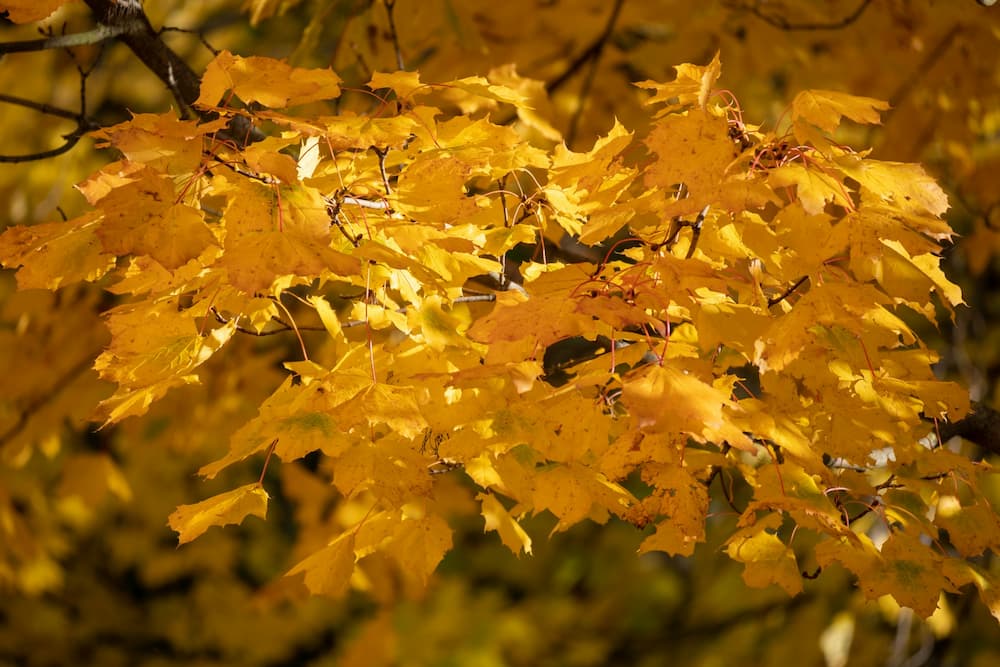
Throughout the summer, chlorophyll serves as the primary compound coloring plant leaves a deep green. Chlorophyll absorbs solar energy to manufacture sugars essential for tree growth, functioning as a relentless chemical factory. However, as the season transitions to autumn, conditions change dramatically. Daylight hours decline noticeably, and temperatures drop sharply. Plants sense the approaching winter and prepare for a major operational shift. Why do they halt factory operations so abruptly?
Maintaining and operating chlorophyll under these environmental conditions creates a severe energy drain and a critical burden for the plant. Consequently, trees make a prompt and decisive choice. They immediately cease chlorophyll production and break down existing chlorophyll into small molecular units. These degraded components are rapidly transported to the trunk and roots for storage, allowing the tree to endure the winter. Without this nutrient recovery process, trees would lack the resources needed to sprout new leaves the following spring.
At this precise juncture, a striking chemical transition becomes visible. As the intense green chlorophyll breaks down and fades away, other pigments previously hidden inside the leaf emerge on the surface. These compounds are carotenoids, which express yellow and orange hues.
Did carotenoids suddenly form in autumn? Absolutely not. Carotenoids were consistently present inside the leaves from spring through summer. However, during the warmer months, chlorophyll molecules were far more abundant and reflected light intensely, completely masking the carotenoids from view. Once the dominant shield of chlorophyll disappears, the natural shades of carotenoids finally become visible.
Why do plants expend energy to keep yellow pigments hidden inside their leaves starting in summer? Carotenoids do not exist merely for visual display. These pigments act as accessory photosynthetic compounds, absorbing light wavelengths that chlorophyll cannot capture and transferring that energy to chlorophyll. Simultaneously, they serve as a robust protective shield, dissipating excess energy as heat to prevent high-intensity sunlight from damaging delicate photosynthetic structures.
Ultimately, yellow autumn foliage is not a newly synthesized product of changing seasons. Instead, it marks the moment when the primary light-harvesting driver, chlorophyll, exits for survival, exposing the underlying color that was present all along. Plants never produce useless compounds; even color changes form part of a meticulously calculated biochemical defense mechanism.
2. Anthocyanin Synthesis and the Secret of Red Pigments
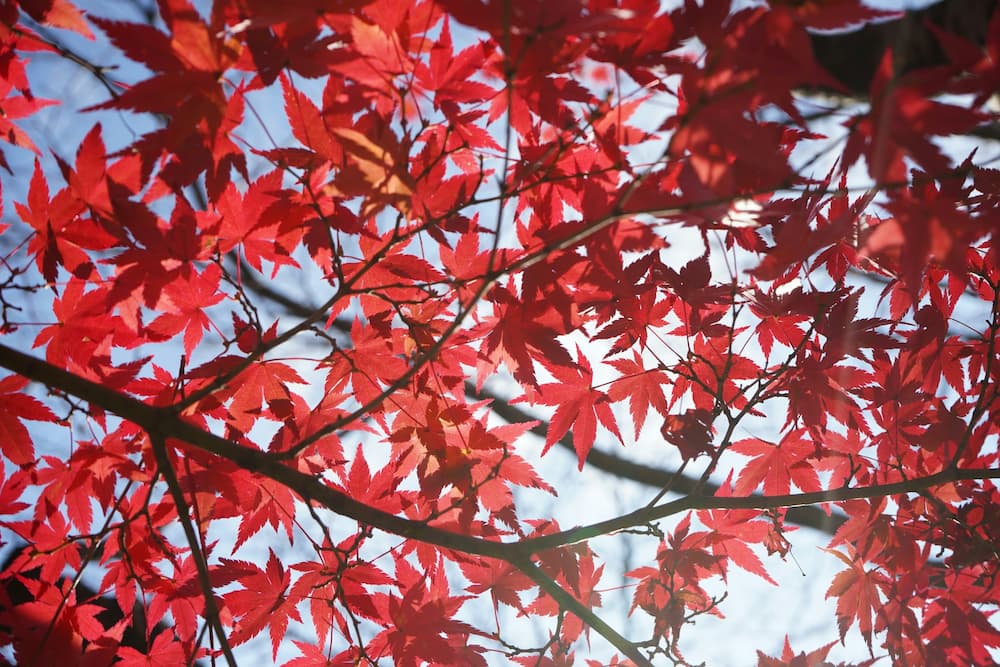
Unlike yellow foliage, red autumn leaves emerge through an entirely different biochemical mechanism. While yellow-producing carotenoids are pre-existing pigments inside the leaf, red-tinted anthocyanins are newly synthesized compounds created by the plant when autumn arrives. Why would a plant facing winter a time requiring extreme energy conservation expend immense resources to manufacture new pigments? Behind this vivid red display lies a calculated strategy for survival. Why do plants undertake such a seemingly risky investment at this specific time?
As autumn deepens, trees form an abscission layer at the junction where the leaf stem meets the branch. This barrier cuts off the transport pathways for water and nutrients. As a result, sugars produced by photosynthesis inside the leaf cannot move to the trunk or roots and become trapped within the leaf blade. Exposed to bright sunlight, these trapped sugars undergo complex chemical reactions, producing large quantities of anthocyanin, a powerful red pigment. As sugar concentrations inside the leaf rise, the rate of anthocyanin synthesis accelerates.
Why do trees require anthocyanins at such a high-risk time? The key lies in their function as an extraordinary natural sunscreen. As chlorophyll degrades, the internal tissues of the leaf become dangerously vulnerable to intense light. If exposed to strong ultraviolet radiation in this vulnerable state, leaf cells would suffer damage and freeze to death before nutrients could be recovered to the roots. Anthocyanins absorb harsh light rays, acting as a red shield that protects sensitive leaf tissues. While this protection holds, the tree recovers vital nitrogen and nutrients from the leaf, moving them safely to the roots. Red foliage is not a mere decorative feature; it represents an active strategy to gather every remaining drop of nutrition.
3. Continental Differences in Autumn Colors Shaped by Ice Age History
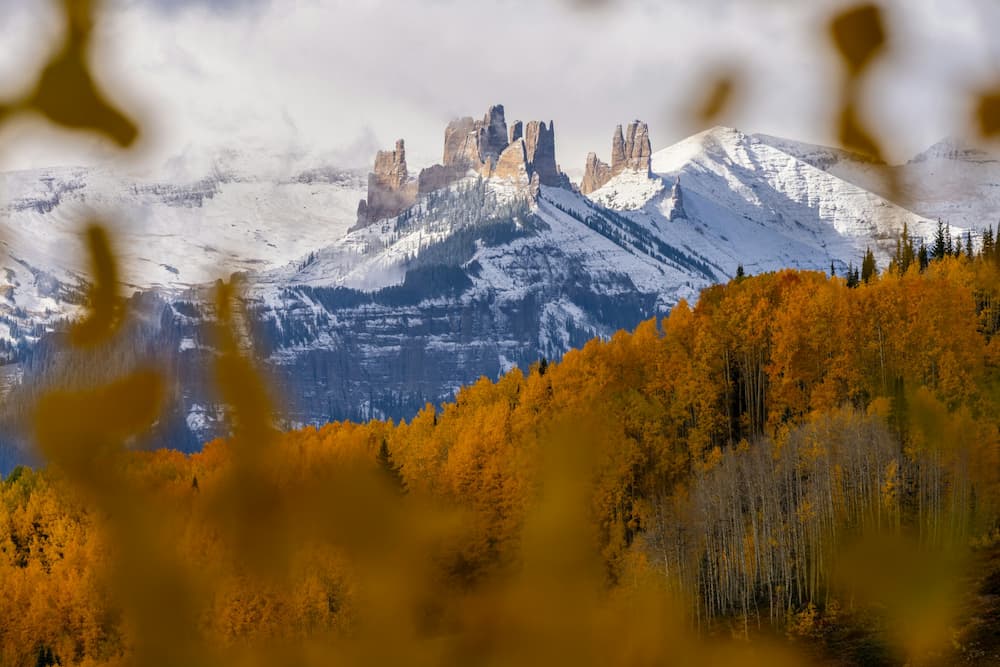
Did you know that the proportion and intensity of autumn leaf colors vary significantly across continents? Autumn in North America is dominated by intensely vibrant reds. Conversely, autumn in Europe features predominantly soft, golden yellow hues. Why does such a distinct difference in vegetation occur under similar latitudes and seasons? This major color divide originates from the severe geological history of ice ages that swept the Earth millions of years ago.
Millions of years ago, during multiple glacial cycles, the North American Rocky Mountains and surrounding forests extended continuously from north to south, providing a natural escape route for plant species. Trees migrated southward to warmer regions, successfully escaping advancing glaciers. Herbivorous insects and pests migrated southward alongside the trees. To defend against insect attacks and communicate warnings, trees maintained the genetic trait of synthesizing red anthocyanin pigments. This intense evolutionary arms race preserved the expression of red colors in North American flora.
In contrast, the situation in Europe differed completely. The Alps formed a massive mountain barrier running from east to west, preventing trees from retreating southward and trapping many species against advancing ice, leading to mass extinctions. The limited plant species that managed to survive experienced a significantly reduced need to expend energy producing red anthocyanins. The complex interaction systems with insects had broken down through the ice ages. Consequently, European flora evolved to be dominated by species that rely solely on yellow carotenoids to navigate autumn.
Ultimately, continental differences in foliage colors do not stem merely from modern climatic variations. They represent a genetic legacy forged by mountain alignments and glacial trials during critical evolutionary junctures. The brilliant red hues of North America stand as a record of intense adaptation by plants that survived harsh historical challenges.
4. Nutrient Reabsorption and the Tree’s Wintering Strategy
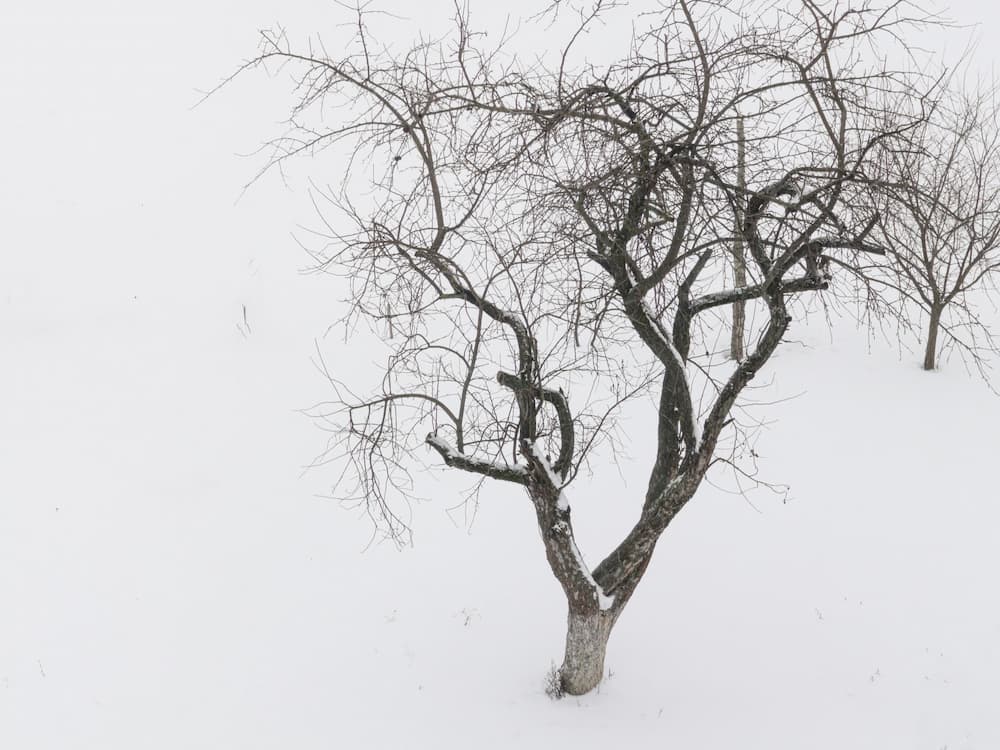
When the brilliant foliage display concludes, leaves eventually fall to the ground as litter. Yet this is by no means a wasteful death. Until the moment of detachment, trees extract and recover every valuable nutrient stored within the leaves. For plants, elements like nitrogen and phosphorus are chronically scarce and precious resources. Abandoning these nutrients would equate to surrendering survival. During the color transition, trees break down and reabsorb up to roughly 70 percent of the nitrogen inside the leaf, storing it safely within the trunk and roots.
Where do these stored nutrients go during winter, and how are they utilized? Plants convert these recovered resources into cellular antifreeze compounds to endure the cold. Sugars and proteins stored inside cells dramatically increase the concentration of the cellular fluid. This functions similarly to adding antifreeze to an automobile engine. As cellular fluid concentration increases, internal moisture resists freezing even in sub-zero temperatures, forming a protective barrier that prevents cells from rupturing due to ice formation.
Once nutrient recovery is complete, the tree severs its connection to the leaf. Shedding leaves serves as a decisive measure to prevent water loss. In frozen winter soil, roots cannot absorb moisture. If leaves remained attached, transpiration would quickly cause the tree to desiccate and die. Leaf fall represents the most decisive cut a tree makes to preserve its life the ultimate stroke in a calculated survival strategy.
Conclusion
This remarkable cycle in nature delivers a message that extends far beyond physical beauty. The discipline of the tree releasing everything it once held and retaining only essential nutrients to endure the cold winter invites us to reflect on the core values we ought to hold in our own lives. Standing before the wisdom of the tree, which sheds its outer canopy to focus on essential survival, what insights can we draw for ourselves?
![[Bit#74] The Warning from Siberia: Ancient Viruses Awakening from the Permafrost](https://hiddenbitknowledge.com/wp-content/uploads/2026/06/main.virus-and-ice-768x432.jpg)
![[Bit#105] Forensic Genetics: Reconstructing Suspect Faces and Biological Traits from a Single Cell](https://hiddenbitknowledge.com/wp-content/uploads/2026/07/main.DNA-tracing-technology-768x544.jpg)
![[Bit#112] Rare Blood Type Rh-null: The Rarest Blood in the World](https://hiddenbitknowledge.com/wp-content/uploads/2026/08/main.rh-null-768x399.jpg)
![[Bit#160] Why Do You Feel Extreme Thirst the Day After Drinking?](https://hiddenbitknowledge.com/wp-content/uploads/2026/09/main.drink-Thirst-768x419.jpg)
![[Bit#70] Beyond Blood Types: The Hidden Connection Between Your Blood and Immune System](https://hiddenbitknowledge.com/wp-content/uploads/2026/06/main.ABO-blood-type-768x419.jpg)
![[Bit#50] The Great Survival Strategy of Plant Hormones](https://hiddenbitknowledge.com/wp-content/uploads/2026/06/64472267701f-768x419.jpg)