[Bit#102] Bacteriophage: The Natural Predator Virus Therapy Attacking Only Bacteria
Introduction
The emergence of superbugs resistant to antibiotics has brought humanity face to face with a new healthcare crisis. At this critical juncture, bacteriophages—natural predator viruses that precisely target only bacteria—are drawing intense attention as a powerful solution. Could phage therapy truly become the ultimate weapon to save humanity from an impending antibiotic apocalypse? In this article, we delve deep into the paradoxical survival strategy of this virus and its immense medical potential.
1. The Waiting Hunter: How Do Bacteriophages Target Only Bacteria?
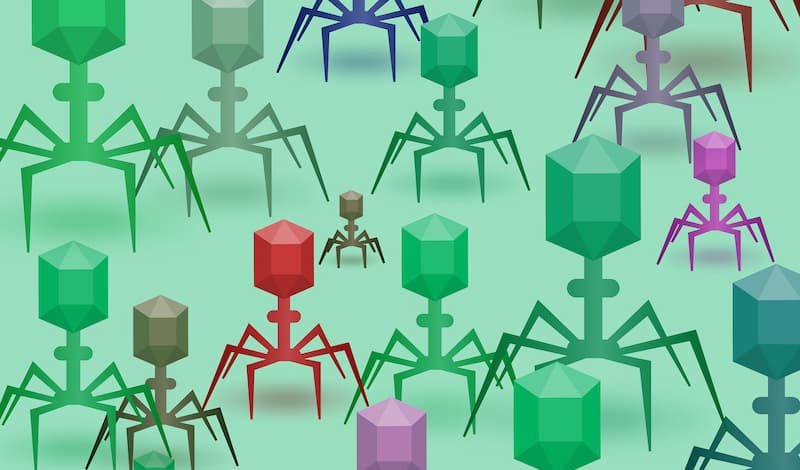
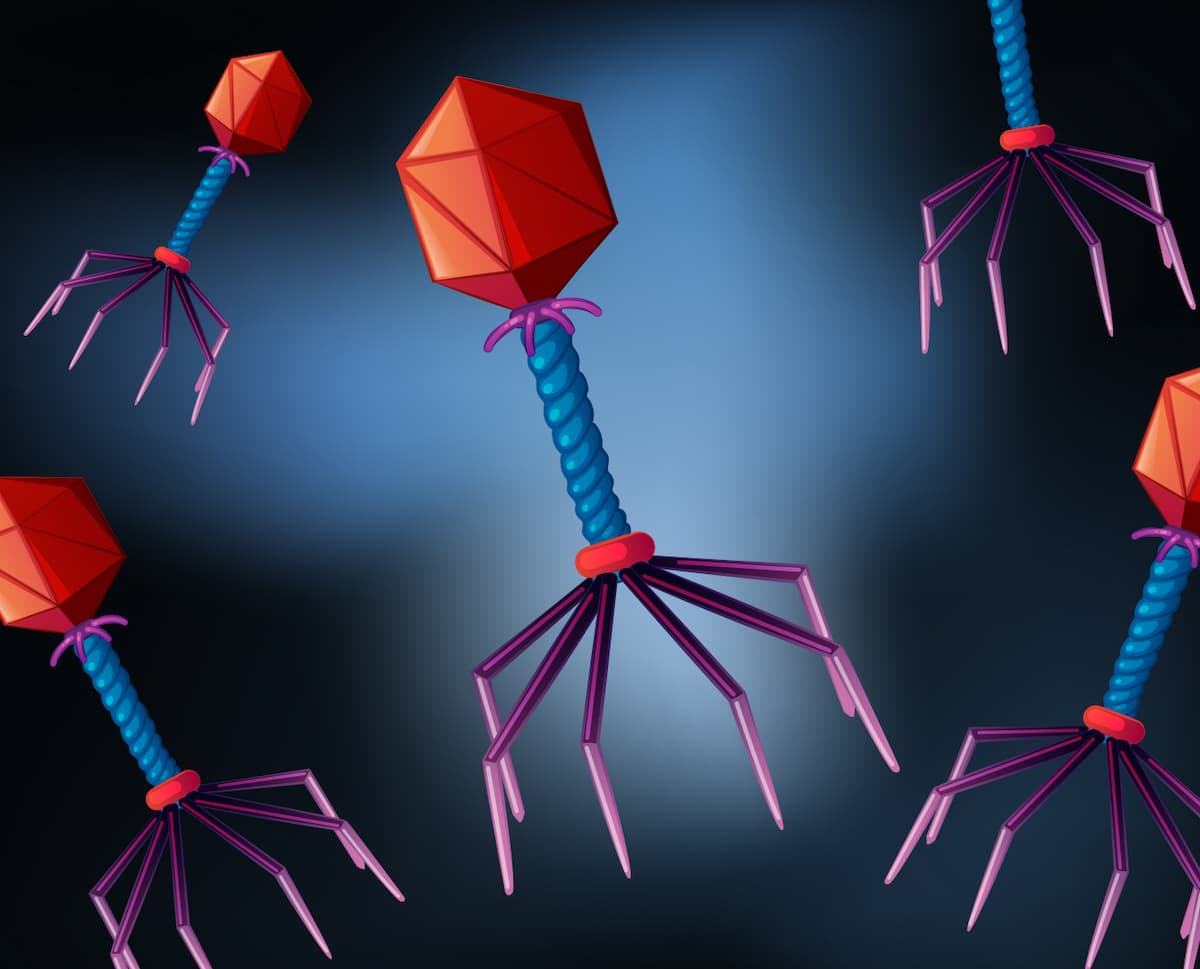
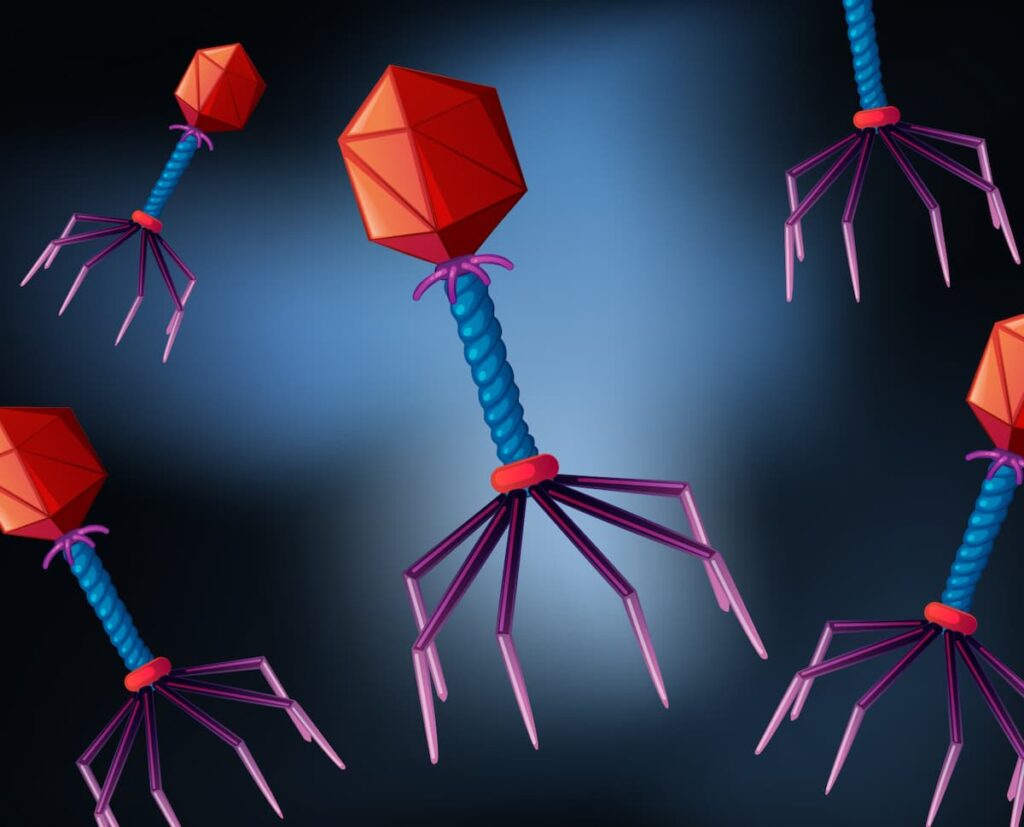
What is the most abundant biological entity on Planet Earth? It is not elephants, humans, or even bacteria. The correct answer is viruses. Among them, a specific virus exists solely to hunt bacteria. Its name is the bacteriophage. This extraordinary entity possesses a bizarre appearance. It resembles a lunar lander or an alien spacecraft. Equipped with a precise structural alignment, it lands flawlessly onto the surface of a bacterium.
How does this tiny virus leave normal human cells completely untouched while surgically striking only bacteria? The secret lies in its protein structure that functions as a surface antenna. The receptor-binding proteins located on the tail fibers of the bacteriophage identify and bind exclusively to specific surface molecules on the bacterial cell wall. This mechanism operates exactly like a key fitting into its dedicated lock. It pays zero attention to human cells or beneficial bacteria that lack the matching lock.
Upon landing on the bacterial surface, the bacteriophage instantly switches to an attack posture. It injects its genetic material stored inside its head directly into the bacterium. The scene strikingly resembles a needle injecting a drug. Once penetrated, the bacterium completely loses control over its own biological machinery. The internal factory of the bacterium transforms into a forward operating base dedicated to mass-producing identical copies of the bacteriophage.
After multiplying into tens or hundreds of copies inside the host, the bacteriophages execute the final stage. They secrete specialized enzymes that breach the bacterial cell wall. Eventually, the bacterium swells up like a balloon and bursts violently. As the cell disintegrates, a fresh army of released bacteriophages embarks on a new mission to hunt down surrounding bacteria.
Despite this tremendous explosive power and laser-like precision, bacteriophages pose no harm to the human body. Human cells simply do not possess the specific keyholes required by these microscopic hunters. The fierce evolutionary arms race waged between bacteria and bacteriophages over hundreds of millions of years has ultimately gifted humanity a formidable therapeutic weapon.
2. The Limits of Antibiotics and Superbugs: Why Humanity Is Turning Back to Phages

Antibiotics, once celebrated as the noble saviors of mankind, are crumbling. Since the breakthrough discovery of penicillin, hailed as the greatest invention of the 20th century, humanity appeared to have secured a decisive victory in the war against bacteria. Countless infectious diseases were eradicated, and human life expectancy surged dramatically. Yet, did we pop the champagne too early? The indiscriminate misuse and overuse of antibiotics handed bacteria a lethal weapon for their own survival.
Bacteria continuously mutated their genes to survive. Consequently, superbugs emerged—formidable bacteria that mock and overcome almost every existing antibiotic. When infected by a superbug, even a minor scratch or routine post-operative infection can become a fatal cause of death. In reality, traditional antibiotic development relying on chemical agents has hit a hard ceiling. Developing a single new antibiotic demands trillions of won and decades of effort, whereas bacteria require merely a few months to acquire complete resistance against it.
Must humanity surrender its domain to bacteria without a fight? Absolutely not. At this pivotal moment, scientists began revisiting a long-forgotten therapeutic approach from a century ago. Instead of forcing bacteria into submission using synthetic chemicals, they are deploying living viruses—the natural predators of bacteria—through bacteriophage therapy.
Chemical antibiotics act like carpet bombers, obliterating beneficial bacteria along with harmful pathogens. Conversely, bacteriophages operate like precision assassins, neutralizing only the intended enemy. Even if bacteria evolve resistance against phages, it presents no dead end. Because phages are living organisms themselves, they co-evolve alongside the mutating bacteria. Humanity has effectively recalled its most powerful ally in the ongoing evolutionary warfare against bacteria.
3. The Art of Precision Striking: Lethal Advantages and Mechanisms of Phage Therapy
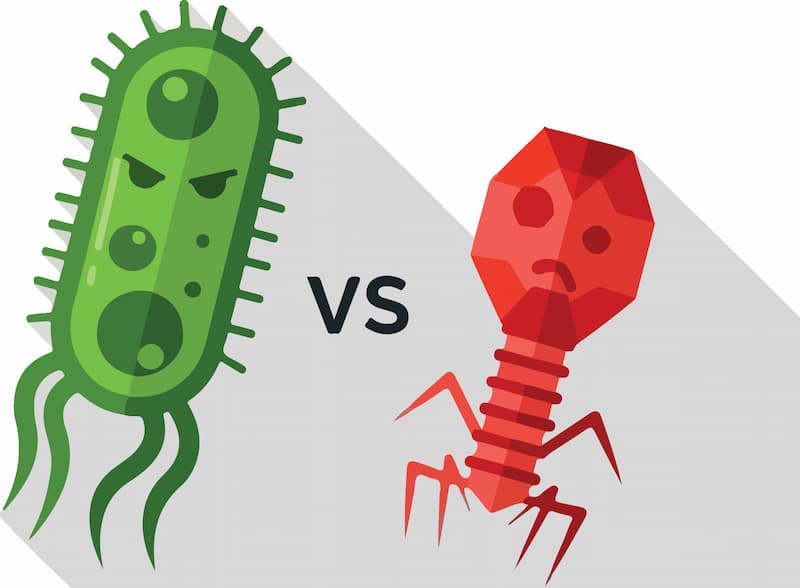
The moment chemical antibiotics enter the human body, they turn into indiscriminate weapons of mass destruction. They destroy not only the harmful pathogens causing disease but also the beneficial bacteria maintaining gut health. Why do people suffer from heartburn and diarrhea whenever they take antibiotics? It is because the internal microbial ecosystem of the human body gets completely devastated.
However, bacteriophage therapy operates on an entirely different level. This high-precision biological weapon leaves beneficial microbes completely untouched. It selects and eliminates solely the designated target bacteria. In essence, it eradicates the root cause of the infection while preserving the patient’s internal microbiome in its original state.
The mechanism of action is equally unique and intelligent. Upon discovering bacteria, bacteriophages self-replicate to expand their population. Administering a small quantity of phages at the initial stage is more than sufficient. As replicated phages flood out from inside destroyed bacteria, the therapeutic effect amplifies itself over time. It functions as an self-sustaining weapon factory operating directly on site.
What happens when the targeted bacteria completely disappear from the body? Without host bacteria to hunt, bacteriophages can no longer replicate. The remaining phages are naturally cleared out of the body through the human immune system or metabolic pathways. Unlike conventional chemical drugs, they leave behind no toxic residues in the liver or kidneys.
Even more astounding is how phages handle drug-resistant bacteria. When bacteria undergo mutations to dodge bacteriophage attacks, an ironic phenomenon occurs: they frequently lose their resistance to traditional antibiotics. In attempting to evade phages, the bacteria walk straight into an inescapable checkmate. Scientists are actively leveraging this formidable biological trap to disarm superbugs effectively.
4. Hurdles to Overcome: Limitations and Challenges for Commercializing Phage Therapy

Despite its seemingly flawless nature, bacteriophage therapy carries critical vulnerabilities. Paradoxically, its greatest drawback stems from its ultimate strength: extreme specificity. A bacteriophage targets only one specific bacterial strain. Even within the same species like Staphylococcus aureus, it fails to attack a different strain lineage.
When a patient is in a critical, life-threatening situation, this limitation proves fatal. Identifying the exact bacterial lineage alone takes several days. Before clinicians identify the bacteria and isolate the matching phage, the golden hour for treatment may pass. To overcome this, scientists are actively researching phage cocktail therapies that blend multiple distinct phage strains together.
Another major hurdle lies in the inherent nature of phages as living entities. Bacteriophages are not simple chemical compounds; they are active viruses. For pharmaceutical manufacturers, this translates to complex mass production and rigorous quality control. Standardizing them into uniform medical products and maintaining a long shelf life remain remarkably challenging.
The human immune response presents another formidable barrier. Our immune system recognizes bacteriophages as foreign invaders. Repeated administration of phages can trigger antibody production that neutralizes them. Essentially, the human immune system might disarm the hunters before they can catch the bacteria. Establishing standardized regulatory guidelines is another urgent task demanding immediate action.
Conclusion
Humanity attempted to dominate nature through the powerful weapon of synthetic chemical antibiotics. Yet, nature responded with even more terrifying drug-resistant bacteria. Ultimately, the answer we uncovered was the biological balance that nature had already perfected over hundreds of millions of years.
Can we truly achieve complete control over nature through the sheer power of technology? Or must we learn to coexist within the boundaries of the natural order? The ongoing war against superbugs presents humanity with deep introspection and profound philosophical questions regarding technological omnipotence.
![[Bit#75] The Backlash of Artificial Rain: The Cost of Manipulating Atmospheric Circulation](https://hiddenbitknowledge.com/wp-content/uploads/2026/06/main.artificial-rain-768x512.jpg)
![[Bit#48] The Margins of Survival: The Ultimate Environmental Limits for Human Life](https://hiddenbitknowledge.com/wp-content/uploads/2026/05/f83fe20b2c8c-768x432.jpg)
![[Bit#65] Why Do Women Live Longer Than Men?](https://hiddenbitknowledge.com/wp-content/uploads/2026/06/main.grave_-768x512.jpg)
![[Bit#32] Toxoplasmosis: The Invisible Gift from Cats Hacking Your Brain](https://hiddenbitknowledge.com/wp-content/uploads/2026/05/e2b659526fdd-768x431.jpg)
![[Bit#53] The Double Edged Sword of Biofuels: Humanity’s Savior or a Cruel Dilemma?](https://hiddenbitknowledge.com/wp-content/uploads/2026/06/fc96429034b1-768x431.jpg)
![[Bit#88] Saliva Secrets: Predict Your Health with DTC Genes](https://hiddenbitknowledge.com/wp-content/uploads/2026/07/main.sariva-768x429.jpg)