[Bit#96] Science Behind Your Three Major Desires: Appetite, Sleep, and Sex Drive

Introduction
Appetite, sleep, and sex drive are essential conditions for human survival. However, some people obsess over fine dining while staying up all night, while others skip meals for the sake of love. Why does this difference occur? In this article, we track the secret of how hormones and genes in our bodies design individual desire priorities. Understanding the fascinating scientific codes hidden behind the instincts we took for granted will open our eyes to a new way of looking at the diversity of human behavior.
1. The Battle for Dominance Among Chemicals in the Brain Determines Instinct
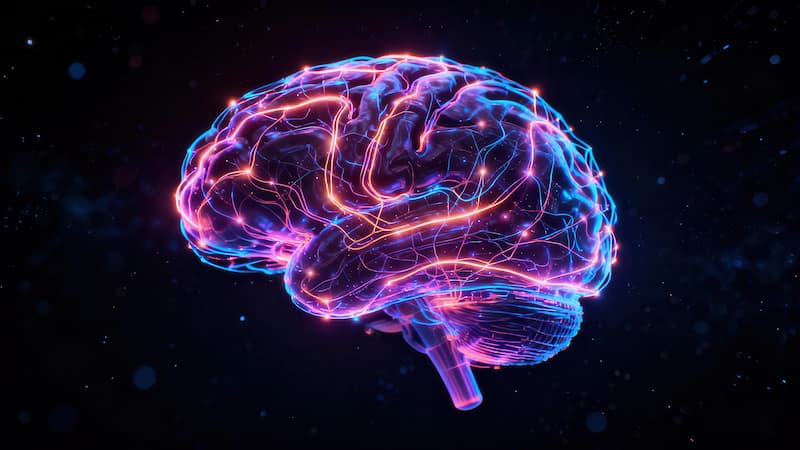
We are all born with the same instincts. But why do some people risk everything for food cravings while others are obsessed with sleep? The secret lies in the battle for dominance among neurotransmitters in the brain. Inside our brains, chemicals engage in a fierce power struggle every single moment.
The most representative player is dopamine. Dopamine is a substance that promises pleasure and reward to the brain. There are individuals in whom this dopamine secretion is uniquely active in the nervous system that governs appetite. For these people, just imagining delicious food puts the brain into a state of immense excitement. On the other hand, there are also people whose dopamine responds more sensitively to sexual stimuli or achievements. They immerse themselves in their hobbies or love to the point of skipping meals. It means the brain’s priority is set completely differently. Why does this phenomenon happen?
Another key substance is serotonin. Serotonin makes our minds calm and allows us to feel satisfaction. The interesting point is that when serotonin levels drop, the brain experiences extreme anxiety. At this time, some people show a tendency to protect the brain through sleep. This is because sleep is required to maintain serotonin stably. Ultimately, the hierarchy of the three major desires we feel is not a simple matter of willpower. It is a scientific outcome determined by which substance, between dopamine and serotonin, presses the brake and accelerator more powerfully inside the brain. Which substance has your brain handed over dominance to right now?
2. The Secret of Survival Styles Hidden in the Genes Inherited from Ancestors
Another powerful reason why the hierarchy of human desires differs is genes. Let us recall the environment of the primitive era tens of thousands of years ago. At that time, mankind had to play a life-or-death survival game every day. The survival strategies chosen by our ancestors at that time were deeply engraved in our DNA.
Some ancestors took the strategy of unconditionally eating a lot whenever food was visible. This was due to the harsh environment where it was unknown when a hunt would succeed. The descendants of these people naturally evolved to have appetite as their top priority. It is a genetic command that one must consume food immediately upon seeing it to increase the probability of survival. Conversely, there were also ancestors who maintained a state of extreme tension to survive attacks from predators. Rather than sleeping deeply, they developed a sensitivity to wake up even at small surrounding sounds. For them, a state of alert for survival took precedence over the desire to sleep.
Ultimately, the individual differences in the three major desires possessed by modern people are traces of evolution. It is the result of the genetic weights of ancestors who survived in different survival environments being transmitted to us now. Some are designed to allocate more energy to eating, and others to safe rest. That desire you are uniquely obsessed with might actually have been the greatest survival weapon chosen by your ancestor tens of thousands of years ago to stay alive. Isn’t it amazing that the map of genes is so precise?
3. The Process of the Stimulating Environment of Modern Society Changing My Desires
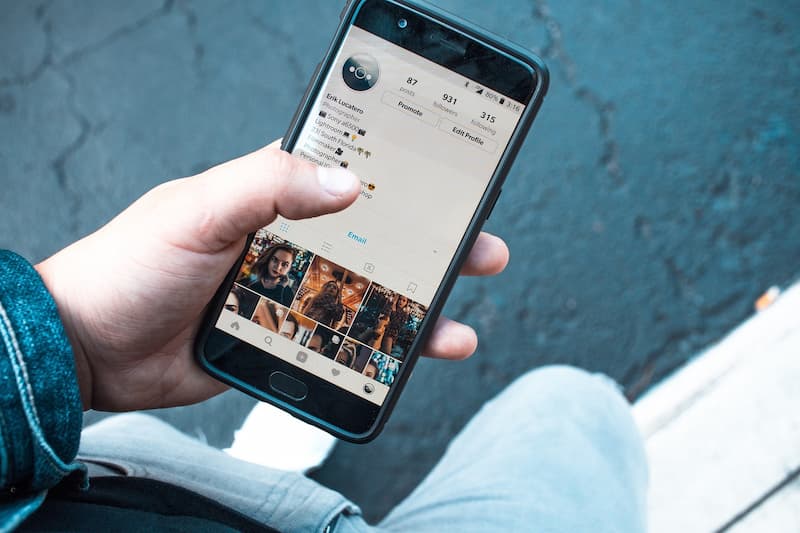
Our instincts are not fixed iron fortresses from birth. They constantly change and are easily distorted depending on the surrounding environment. In particular, the modern society we live in shakes the balance of instincts very severely.
Looking around, the environment is completely full of artificial stimuli. On smartphone screens, colorful videos of food flow 24 hours a day. Short-form content taps the brain by endlessly showing stimulating screens. Why is this environment dangerous? Continuous exposure to such excessive stimulation causes the hormone receptors in our brains to gradually deform. The brain’s sensors break down to the point where they only respond to very strong stimuli. Consequently, the brain does not respond to daily satisfaction and craves only stronger stimuli. Naturally, the scale of specific desires has no choice but to tilt fearfully to one side.
In this process, the healthy balance of the three major desires is completely destroyed. There are so many people who suppress their own desire to sleep because they lie in bed late at night watching smartphones. At the time when they should be sleeping, the brain becomes addicted to flashing lights and sounds. When sleep becomes insufficient like this, our body declares a state of emergency. The brain explosively secretes ghrelin, the appetite hormone, to quickly replenish the lacking energy. It is the principle that makes people constantly look for stimulating late-night snacks even though they are not actually hungry. The artificial stimuli of modern society have suppressed the desire to sleep and forced the appetite upward. Behind the food cravings or insomnia that we cannot control, the trap of dopamine precisely designed by modern society is hidden. Is that desire you feel intensely right now a real instinct? Or is it an artificial fake desire created by modern society?
4. The Reason Why the Hypothalamus, the Sensor of Our Body, Operates Differently for Each Person
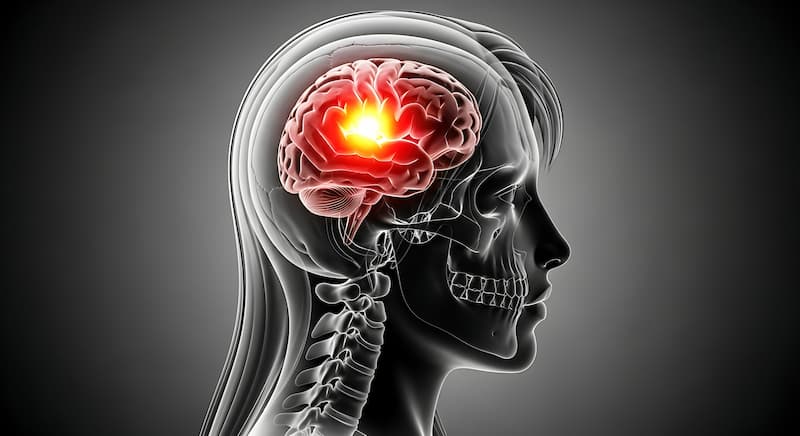
There is a master control tower that ultimately coordinates all human instincts. It is a very small area in our brain called the hypothalamus. The hypothalamus acts like a sensor for our body. It monitors body temperature, blood sugar, and hormone levels in real time to maintain homeostasis. However, the sensitivity of this seemingly perfect sensor is completely different for each person. Why is that?
Simply put, the default setting values of the sensors are different. Some people have a very sensitive energy detection sensor in the hypothalamus. Even if nutrients are slightly lacking in the body, the sensor rings loudly. These people feel hunger much faster than others and try to satisfy their appetite as a top priority. On the other hand, there are also people whose reproductive stimulating hormone sensors located in the center of the hypothalamus are uniquely developed. Their hypothalamus responds very sensitively to sex hormone signals such as testosterone or estrogen. They are designed to spend more energy on reproduction and interpersonal attraction rather than meals or sleep.
Ultimately, the difference in the sensitivity of each hypothalamus sensor determines the hierarchy of individual desires in real time. The phenomenon we call instinct is merely a signal transmission process of these precise sensors. Depending on the setting value of the hypothalamus, some feel the greatest sense of survival security when eating, some when sharing love, and some when sleeping. This is the reason why there is absolutely no need to blame one’s lack of willpower. Listening to the signal that the sensor in my body judges to be most necessary at this moment is the essence of natural life activity.
Conclusion
The hierarchy of appetite, sleep, and sex drive is not a simple matter of choice. It is a personal biological map created by the complex interaction of the battle for dominance among chemicals in the brain, the survival genes handed down by ancestors, the stimuli of modern society, and the sensitivity of the hypothalamus sensor.
Then, what is the most powerful desire moving you right now? Is that truly a genuine signal for survival that your body wants? Could it be that the sensor is temporarily broken by the artificial stimuli of modern society? Looking deeply into my instinct may ultimately be the most scientific first step toward finding out who the master of my body and mind is.
![[Bit#129] Why Does Time Seem to Pass Faster as We Get Older?](https://hiddenbitknowledge.com/wp-content/uploads/2026/08/main.fast_-767x428.jpg)
![[Bit#89] Psychopathic Brain and the Science of Selective Empathy](https://hiddenbitknowledge.com/wp-content/uploads/2026/07/main.The-man-in-the-mask-768x512.jpg)
![[Bit#13] Blessing or Curse? The People with the “Pain Switch” Turned Off](https://hiddenbitknowledge.com/wp-content/uploads/2026/04/5ab74558154b-768x512.jpg)
![[Bit#17] The Collapse of Brain and Instinct: The Biological End Proven by the Rat Utopia Experiment](https://hiddenbitknowledge.com/wp-content/uploads/2026/04/4426b677d91a-768x431.jpg)
![Why Do We Enjoy Seeing Successful People Fail? [Bit#180]](https://hiddenbitknowledge.com/wp-content/uploads/2026/10/main-image-4-768x419.jpg)
![Why Do We Follow Trends? [Bit#192]](https://hiddenbitknowledge.com/wp-content/uploads/2026/10/main-image-15-768x576.jpg)