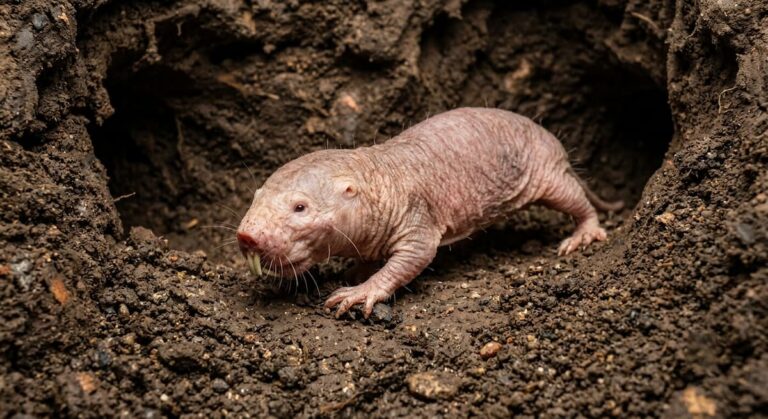
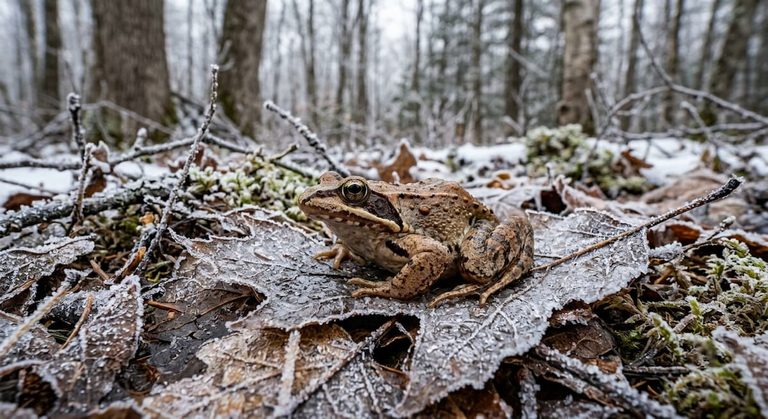
Why Species Go Extinct [Bit#191]
Every species alive today has a history. Some have survived for millions of years, adapting to changing climates, new predators, and shifting landscapes. Others disappeared so completely that we know them only from fossils, preserved specimens, or historical records.
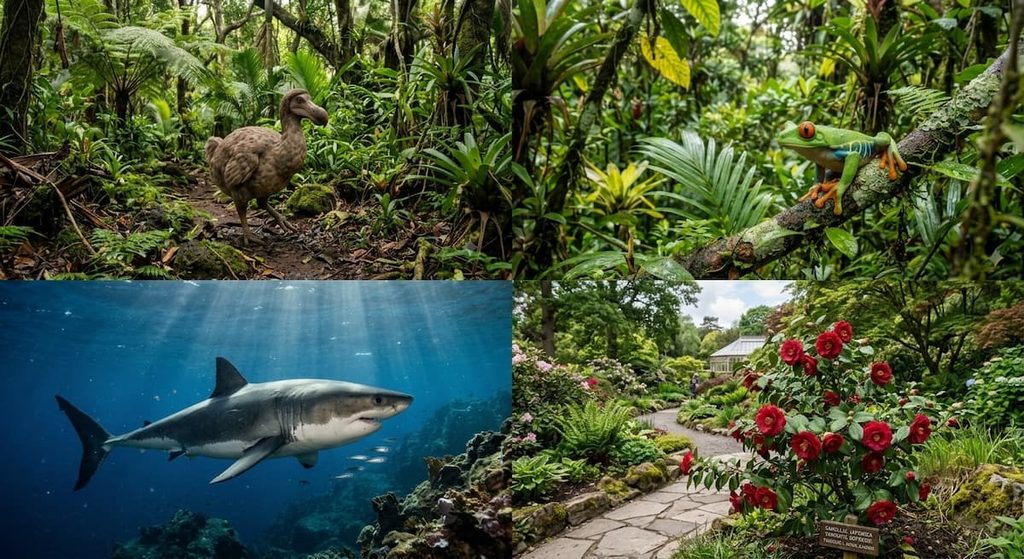
The dodo became a familiar symbol of extinction, but extinction is not limited to famous birds or large mammals. Amphibians, sharks, corals, and plants face different threats, and some have already suffered severe losses.
What makes a species disappear while others survive? The answer is rarely as simple as one animal becoming unable to adapt. Extinction can result from several pressures acting together, including changes in habitat, the introduction of new predators, infectious disease, and environmental conditions that become increasingly difficult to tolerate.
What Does Extinction Really Mean?
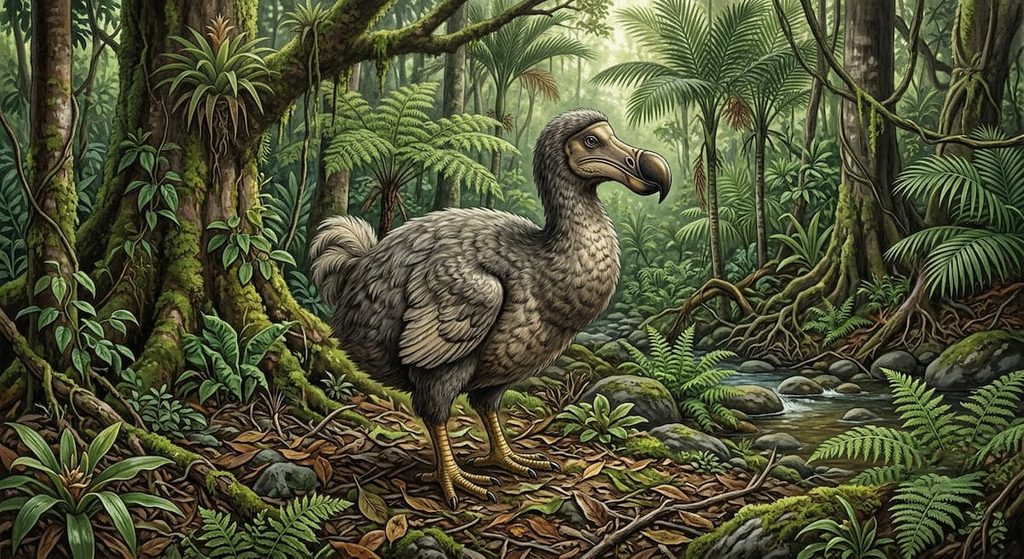
Extinction occurs when the last individual of a species dies. Once that happens, the species cannot recover naturally because no living members remain to reproduce.
However, extinction is not the same as becoming rare. A species may have very few individuals left and still survive. Another may disappear from one country or island while continuing to exist elsewhere. This local disappearance is called local extinction.
Scientists also distinguish between complete extinction and extinction in the wild. A species classified as Extinct in the Wild survives only in captivity, cultivation, or outside its former natural habitat under managed conditions. It has not vanished entirely, but it no longer maintains a surviving wild population in its natural habitat.
These distinctions matter because conservation status describes different situations. A species at risk of extinction is not already extinct, and being classified as threatened does not mean that its disappearance is inevitable.
Scientists assess extinction risk by examining evidence such as population trends, geographic range, population size, and the severity of ongoing threats. A species with many individuals can still be vulnerable if it occupies a small area or depends on a particular habitat.
How Human Activity Can Push Species Toward Extinction
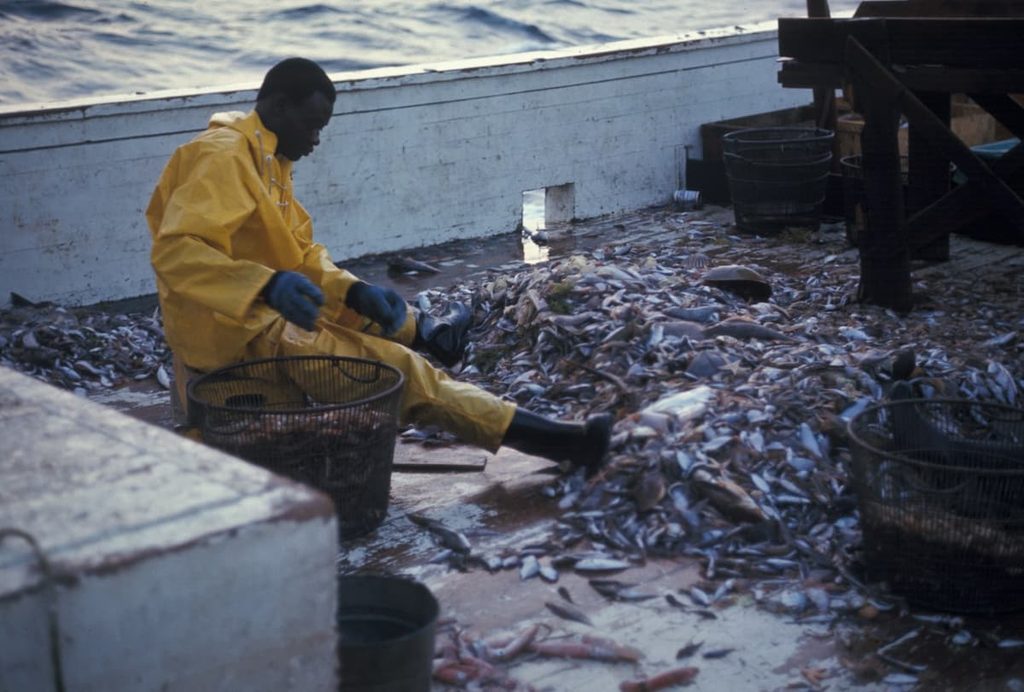
A population can decline when more individuals die than are replaced through reproduction. If this imbalance continues, the population may become progressively smaller. When numbers fall, other threats can become more damaging, making recovery increasingly difficult.
Hunting, fishing, and collecting can contribute to this imbalance. Their effects depend partly on how quickly a species reproduces and how much pressure its population experiences.
Sharks and rays provide a well-documented example. Many species grow slowly, mature late, or produce relatively few young. These characteristics can make recovery difficult when fishing removes individuals faster than populations can replace them.
A global reassessment of 1,199 species of sharks, rays, and chimaeras found that 391 species, or 32.6 percent, were threatened with extinction. Overfishing was a threat to every species in that threatened group. For approximately two-thirds of them, it was identified as the sole threat, while the remaining species faced additional pressures, including habitat degradation, climate change, or pollution.
These findings do not mean that every shark species faces the same danger. Some populations are more vulnerable than others, and the threats vary across regions. Nevertheless, the assessment shows how sustained fishing pressure can become a major conservation problem across an entire group of animals.
The same general principle applies to terrestrial wildlife. When animals are removed from a population faster than they can reproduce, numbers can fall sharply. If the remaining population becomes too small or fragmented, recovery may become difficult even after the original pressure is reduced.
Why Islands Can Be Especially Vulnerable
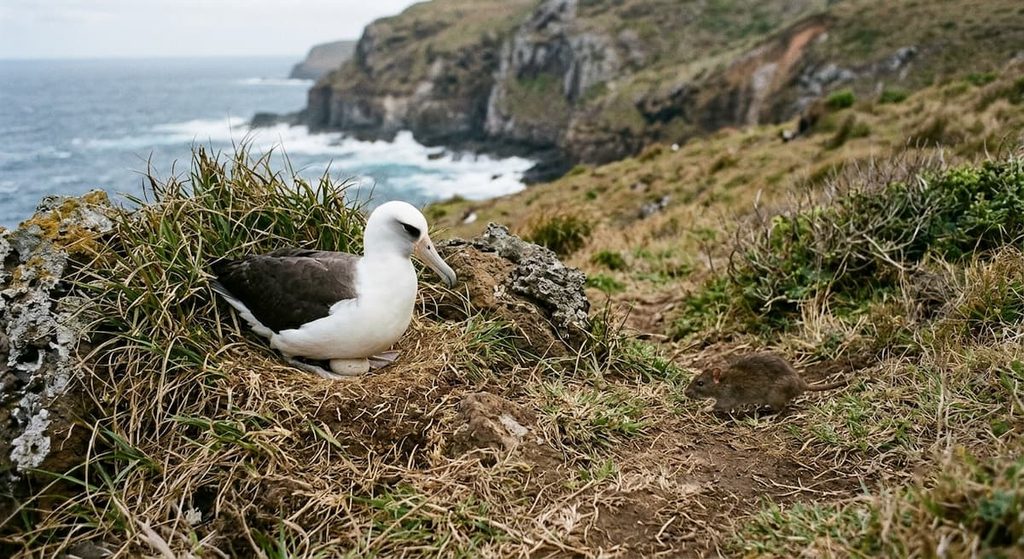
Islands often contain species found nowhere else. These are called endemic species. Isolation allows populations to evolve independently, but it can also leave them with limited options when new threats arrive.
Consider an island bird that evolved without mammalian predators. If rats, cats, or other predatory mammals are introduced, the bird may have little evolutionary experience with these animals. Ground-nesting birds and species that evolved with few natural enemies can be particularly exposed.
A global analysis of invasive mammalian predators linked them to the extinction of 87 bird species, 45 mammal species, and 10 reptile species. The researchers also warned that the true impact could be greater because some critically endangered species were considered possibly extinct rather than definitively extinct.
These findings help explain why introduced predators can be especially damaging on islands. A species that evolved in isolation may lack effective defenses against a newly introduced predator, while its limited geographic range leaves few alternative populations that can survive elsewhere.
However, not every introduced species causes extinction. The outcome depends on the interactions between the newcomer, native wildlife, and the surrounding ecosystem. Some introduced species have limited effects, while others become serious predators, competitors, or carriers of disease.
Island ecosystems also show why prevention matters. Once a damaging species becomes established, removing it can be difficult and expensive. Preventing introductions, controlling invasive populations, and protecting vulnerable breeding sites can therefore be important conservation measures.
When Disease Becomes an Extinction Threat
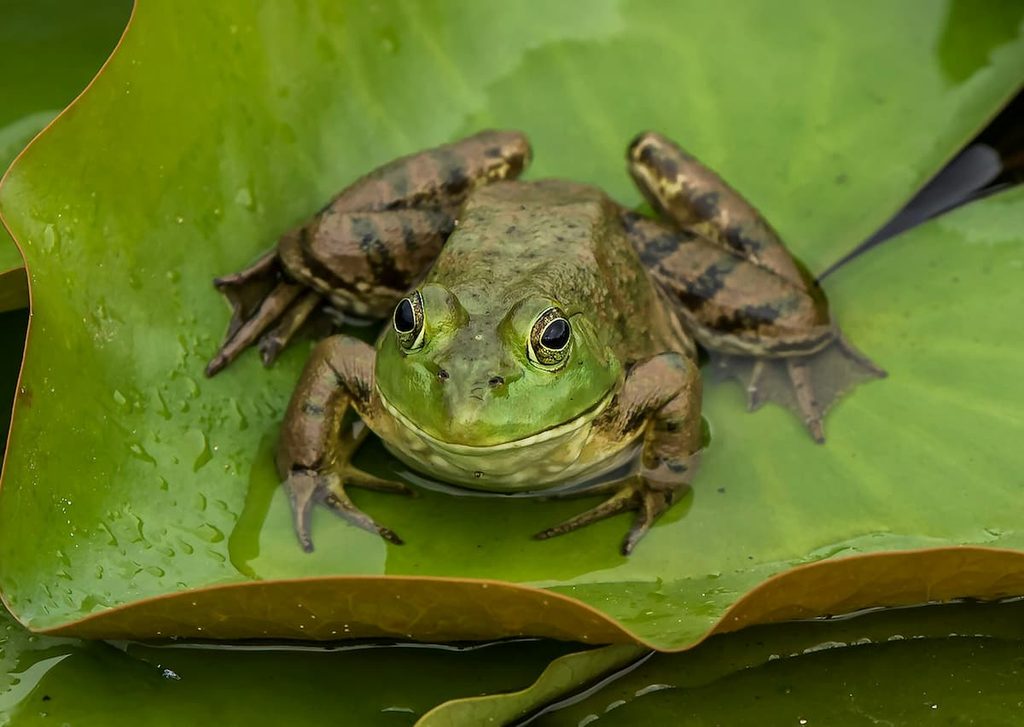
Not every extinction begins with a destroyed habitat or a hunted population. Disease can also cause dramatic declines, especially when a pathogen spreads into populations with little natural resistance.
Amphibians provide a striking example. Frogs and salamanders depend on suitable moisture and temperature conditions, and many have permeable skin that plays important roles in water balance and gas exchange. Their biology varies widely, so different species can respond differently to environmental stress and infection.
A global study published in 2019 investigated chytridiomycosis, a disease caused by chytrid fungi. The researchers found that the disease had contributed to declines in at least 501 amphibian species over approximately half a century. Ninety species were presumed extinct in the study’s analysis.
The scale of these losses shows how a microscopic pathogen can affect biodiversity across continents. Human trade and development can help pathogens cross geographic barriers, exposing wildlife populations that may never have encountered them before.
Disease should not automatically be treated as the sole cause of every amphibian decline. Habitat degradation, climate conditions, pollution, and other pressures can interact with infection. Some species may be highly susceptible to a pathogen, while others experience less severe effects.
This is an important lesson for conservation. Protecting wildlife sometimes requires more than preserving the physical landscape. Scientists may also need to monitor disease, manage the movement of organisms, and reduce conditions that allow infections to spread.
Climate Change Can Make Survival Harder

Species have always experienced changes in climate. The modern concern is that rapid environmental shifts can push some organisms beyond the conditions in which they can survive, reproduce, or maintain stable populations.
Coral reefs illustrate how this can happen. Reef-building corals live in close association with microscopic algae that provide much of their energy through photosynthesis. When corals experience severe heat stress, this relationship can break down. Corals may expel their algae or lose their pigments, producing the pale appearance known as coral bleaching.
Bleaching does not automatically mean that a coral is dead. Some corals can recover if conditions improve. However, prolonged or repeated heat stress can cause substantial mortality and reduce the capacity of reefs to recover.
A 2024 assessment examined all 85 recognized species of shallow-water Atlantic reef-building corals included in its evaluation. Depending on the uncertainty in the assessment, approximately 46 to 54 percent were classified as facing elevated extinction risk compared with the previous assessment. The researchers considered modeled historical coral-cover declines and projected severe bleaching events.
This result describes assessed extinction risk, not the number of coral species already extinct. It also reflects the combined effects of environmental pressures rather than proving that warming alone explains every decline.
Climate change can affect other organisms in different ways. It can alter seasonal timing, shift suitable habitats, change food availability, and increase the frequency or severity of stressful conditions. Some species may move toward more suitable environments, but others cannot move easily because they depend on specialized habitats, have limited dispersal, or face physical barriers.
It is important not to attribute every population decline to climate change. The causes must be examined for each species and location. Fishing, habitat loss, disease, and warming can operate together, making it difficult to isolate a single driver.
Plants Can Face Extinction Too
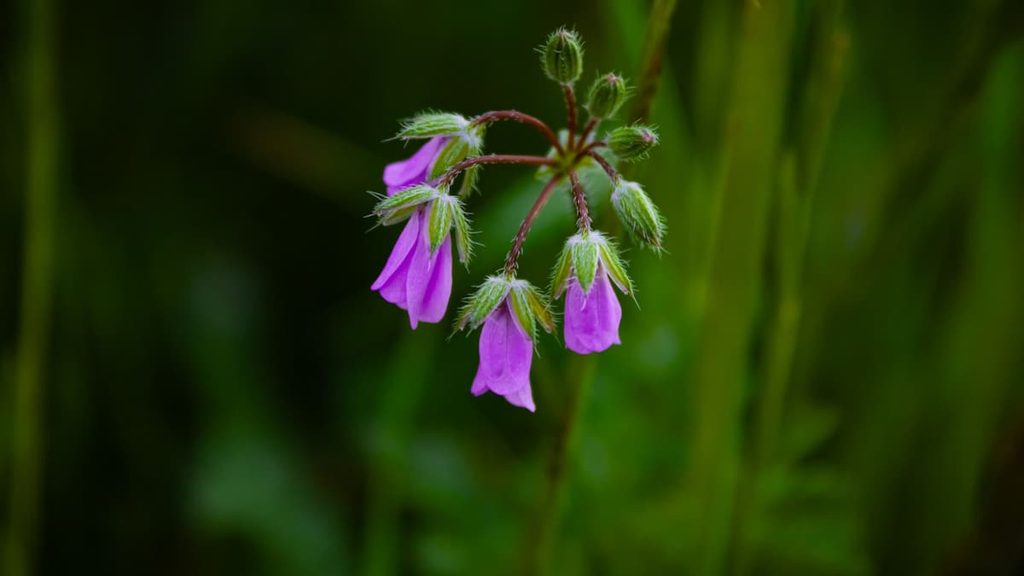
When people imagine endangered wildlife, they often picture mammals or birds. Plants can receive less attention, even though they form the foundations of many ecosystems.
Plants may be threatened by the destruction of forests, grasslands, wetlands, or other specialized habitats. A species restricted to a small region can be particularly vulnerable when development, agriculture, invasive organisms, or changing environmental conditions affect that area.
In 2024, researchers used a statistical model to estimate extinction risk across the world’s flowering plants. Their predictions suggested that approximately 45.1 percent of flowering plant species could be threatened with extinction. More than 70 percent of vascular plants lacked formal conservation-status assessments, highlighting a major gap in available information.
That estimate needs careful interpretation. It was a model-based prediction intended to identify species and groups requiring further assessment. It does not mean that scientists had individually confirmed every predicted species as threatened.
This distinction reveals another challenge in conservation: a species cannot be protected effectively if its existence, distribution, or population status is poorly understood. Incomplete data do not prove that a species is safe. Sometimes they mean researchers do not yet have enough information to judge its risk confidently.
Plants also support other organisms by providing food, shelter, and the structure of habitats. Losing a plant species can therefore affect insects, birds, mammals, and ecological processes beyond the plant itself. The consequences depend on the species and the role it plays in its environment.
Does Every Endangered Species Eventually Become Extinct?
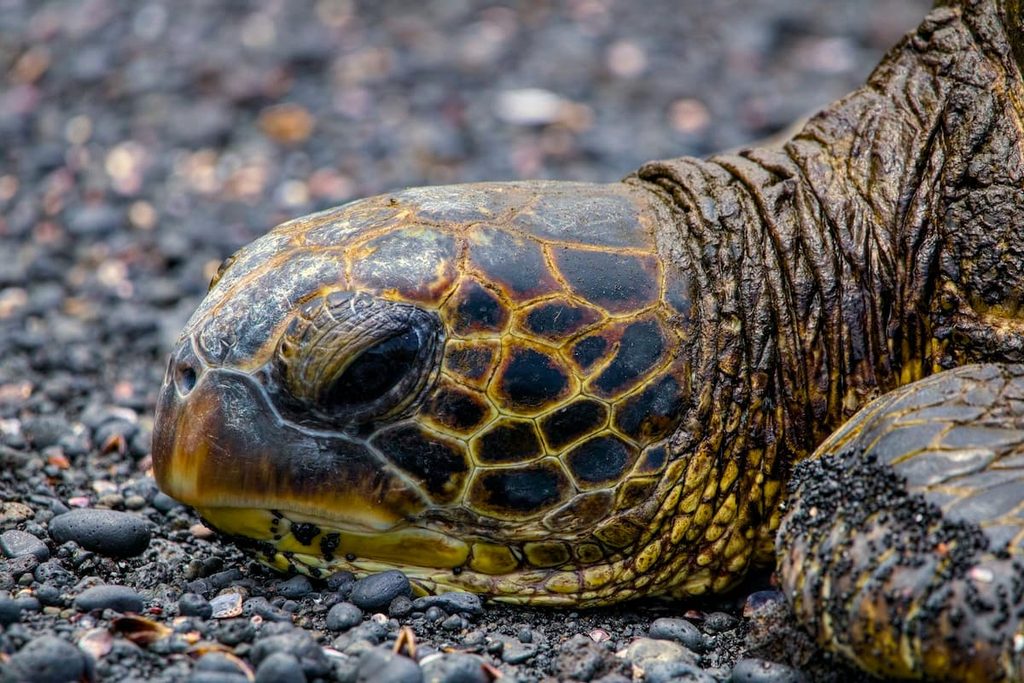
No. Being threatened with extinction does not mean that disappearance is inevitable.
Conservation assessments are designed to identify risk, not to predict the exact date when a species will die out. Risk categories help researchers compare species and decide where intervention may be most urgent. They also need updating as new evidence becomes available.
Some populations recover when the pressures driving their decline are reduced. Depending on the species, useful measures may include protecting breeding areas, restoring habitat, reducing hunting or fishing, controlling invasive predators, and preventing the spread of disease.
Yet recovery is not always straightforward. A small population may have difficulty finding mates. Its members may become more closely related, reducing genetic diversity. A single severe storm, disease outbreak, or habitat disturbance can then have a disproportionately large effect.
This is why the number of surviving individuals is only part of the story. Where they live, how they reproduce, whether they can move between habitats, and what threats remain all influence the chances of recovery.
Conservation also has to account for uncertainty. Some species are difficult to observe, and others live in remote or poorly studied habitats. When the evidence is incomplete, scientists must distinguish between a species known to be extinct and one that has not been found recently but may still survive.
What Extinction Takes Away

A species is more than a name on a list. Each organism interacts with other living things through feeding, competition, pollination, seed dispersal, predation, and many other relationships.
When a species disappears, some of these interactions disappear with it. Other organisms may take over parts of its ecological role, but they do not necessarily replace everything it did.
Research on extinct and introduced island birds has found that non-native species do not fully compensate for the loss of the ecological roles once performed by native birds. Across the oceanic archipelagos examined in that study, bird communities experienced a net loss of functional diversity, meaning that the range of ecological roles represented by those communities had narrowed.
The consequences of extinction vary. The disappearance of one species may alter the availability of food for predators. The loss of a plant may affect pollinators or seed-eating animals. The decline of a large marine predator may change relationships among other species in its food web.
Not every extinction causes an ecosystem to collapse, and scientists should not assume that every lost species has the same ecological impact. But each loss removes a distinct part of Earth’s biological history, and some consequences may be difficult or impossible to reverse.
Extinction also changes what future generations can discover. A species that disappears cannot be studied alive, observed adapting to new conditions, or contribute its unique genetic variation to future generations.
The most useful question, therefore, is not simply which species are endangered today. It is which pressures are pushing them toward disappearance, how those pressures can be reduced, and whether there is still time to act.
Extinction is permanent for the species that is lost. The opportunity to prevent it, however, can exist long before the final individual disappears.
Scientific Sources
1. Scheele BC, et al. “Amphibian fungal panzootic causes catastrophic and ongoing loss of biodiversity.” Science. 2019;363(6434):1459-1463. PMID: 30923224. DOI: 10.1126/science.aav0379. Read the study on PubMed
2. Doherty TS, Glen AS, Nimmo DG, Ritchie EG, Dickman CR. “Invasive predators and global biodiversity loss.” Proceedings of the National Academy of Sciences of the United States of America. 2016;113(40):11261-11265. PMID: 27638204. DOI: 10.1073/pnas.1602480113. Read the study on PubMed
3. Dulvy NK, et al. “Overfishing drives over one-third of all sharks and rays toward a global extinction crisis.” Current Biology. 2021;31(21):4773-4787.e8. PMID: 34492229. DOI: 10.1016/j.cub.2021.08.062. Read the study on PubMed
4. Bachman SP, Brown MJM, Leão TCC, Nic Lughadha E, Walker BE. “Extinction risk predictions for the world’s flowering plants to support their conservation.” New Phytologist. 2024;242(2):797-808. PMID: 38437880. DOI: 10.1111/nph.19592. Read the study on PubMed
5. Gutierrez L, et al. “Half of Atlantic reef-building corals at elevated risk of extinction due to climate change and other threats.” PLOS ONE. 2024;19(11):e0309354. PMID: 39546544. DOI: 10.1371/journal.pone.0309354. Read the study on PubMed
6. Sayol F, et al. “Loss of functional diversity through anthropogenic extinctions of island birds is not offset by biotic invasions.” Science Advances. 2021;7(46):eabj5790. PMID: 34757780. DOI: 10.1126/sciadv.abj5790. Read the study on PubMed