[Bit#68] Plastic Eating Microbes: Tiny Organisms Saving the Earth
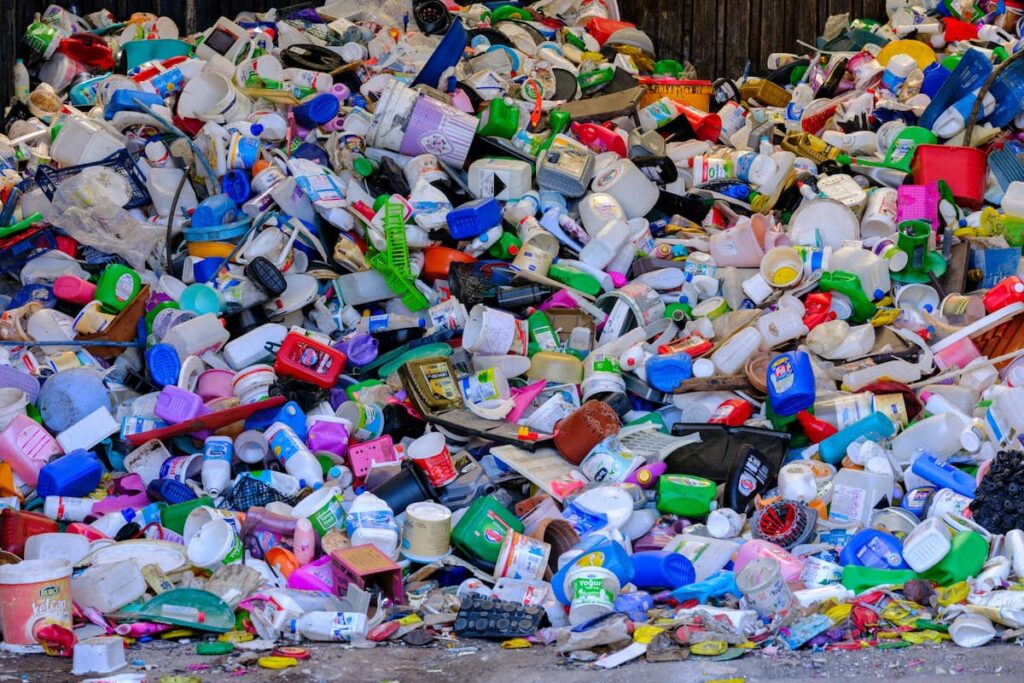
1. The Human Disaster, The Plastic Crisis: Why Does It Not Decompose?
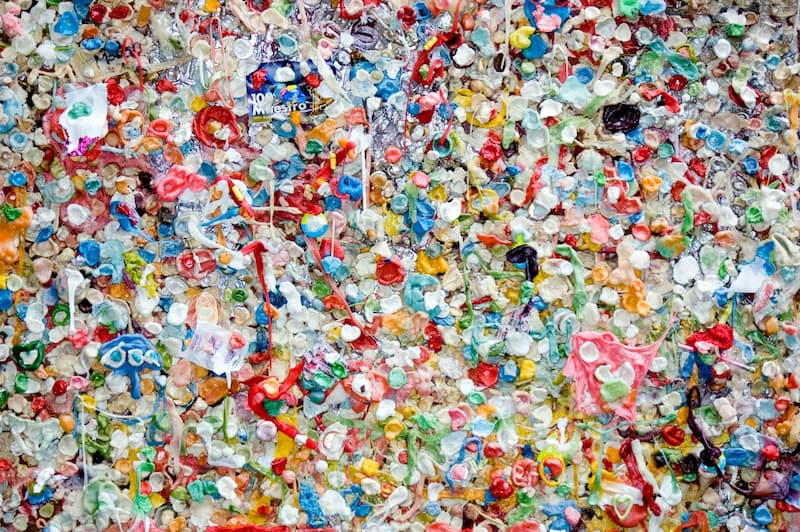
If you had to name the most innovative invention in human history, what would it be? Most people would likely say plastic. It is lightweight, durable, and most importantly, inexpensive. This remarkable material has become the foundation of modern civilization. From the moment we open our eyes until we fall asleep, it is hard to imagine a life without plastic. However, a massive bill we struggle to afford is waiting behind this convenience. It is the problem of non-degradable waste.
Why on earth does plastic not decompose in nature? The answer is simple yet fatal. Countless microorganisms in the natural world simply do not recognize plastic as food. Plastic is an artificially synthesized polymer compound. It is connected by very long and tough chain structures. Nature’s decomposers have evolved over thousands of years to break down organic matter like carbohydrates or proteins. They did not possess the enzymes necessary to break these artificial chains.
So, we thought that was the end of it after using and discarding plastic. We held a naive belief that if we buried it in the ground or washed it away into the ocean, it would eventually disappear. What was the result? Plastic merely breaks into smaller pieces very slowly. It turns into millions of tiny fragments, known as microplastics, after being exposed to sunlight and washed by waves. It does not disappear; it penetrates deeper into the ecosystem more insidiously. The fact that plastic has already infiltrated the food we eat and the water we drink is no longer surprising.
So, is humanity destined to end while struggling in this swamp of plastic? Back then, when we were plunged into terrible despair, nature sent us an unexpected signal. Organisms that began to break down this artificial material created by humans were discovered. It is as if nature itself began to clean up the mistakes of humanity. Which microorganism began to eat this tough plastic, and how? And how can this small discovery change the future of the Earth? Now is the time to enter the field of this amazing science.
2. A Remarkable Adaptation of Nature: The Discovery of Plastic-Eating Microbes
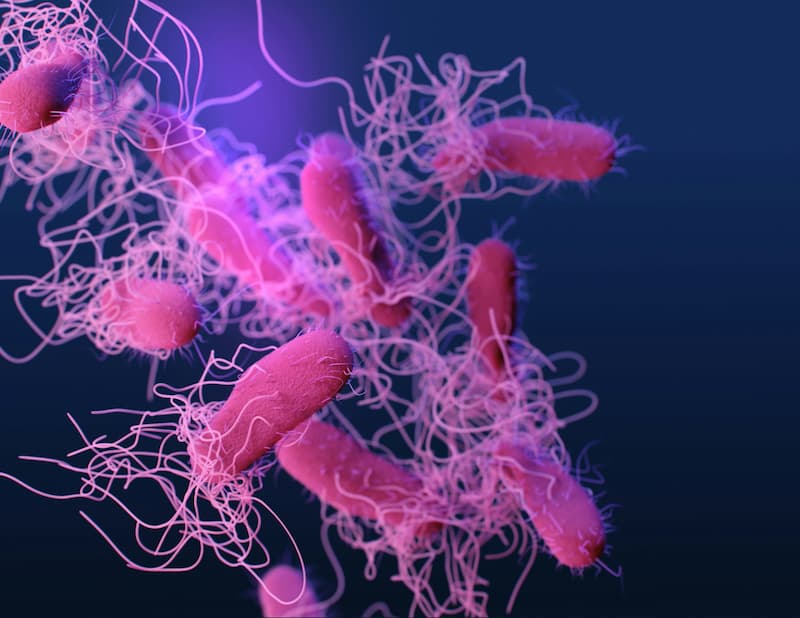
Watching the massive mountains of plastic waste created by humans, scientists have been in deep contemplation for decades. These materials we discarded seemed like they would never return to nature. Humanity was in fear and despair. However, the answer was not far away. The hint was found in the very places where plastic was piled up: landfills and recycling facilities. Surprisingly, microorganisms that survived in that harsh environment and treated plastic as their food were evolving.
The start of this amazing discovery was a PET bottle recycling facility in Japan in 2016. Researchers found an unusual bacterium in the soil of the landfill. The name of this microorganism is Ideonella sakaiensis. Other microorganisms considered plastic as hard as rock and did not even bother to look at it. However, this bacterium was different. It was multiplying by treating plastic as its sole meal. How on earth was this possible? Nature constantly evolves for survival.
To a microorganism, plastic might be a disaster for humanity, but it was a new, nutrient-rich food source for them. During the relatively short time since humans began mass-producing plastic, this bacterium created special enzymes on its own that break down the chemical bonds of plastic. It was not a process that took tens of thousands of years; biological evolution occurred within the human timescale.
This discovery went beyond mere academic curiosity. The global scientific community was turned upside down. It confirmed the possibility that we could treat the artificial synthetic materials we discarded through biological methods, and that nature itself could handle it. It is as if the adaptability of nature began to heal the irresponsible mistakes of humans.
However, questions still linger. Can this microorganism really eat all the plastic on Earth? And can we help microorganisms break down plastic much faster than the natural rate? Now it is time to look into the marvelous biological mechanism by which microorganisms break down the massive chains of plastic. The moment you understand this secret, you will once again see the power of the Earth protecting itself.
3. The Science of Decomposition: How Do Microbes Break Down Plastic?
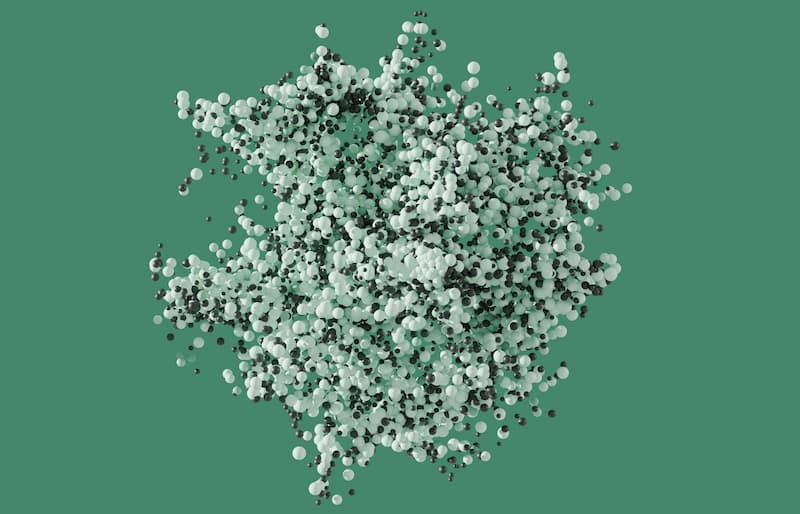
The fact that microbes eat plastic is certainly amazing. However, we need to look at the process more scientifically. Do microbes just chew on plastic with their mouths? No. This process is like a precise chemical engineering project. Microbes use a special weapon they possess, called enzymes.
The enzyme used by Ideonella sakaiensis works in two major stages. The first is the PET-degrading enzyme. The microbes attached to the surface of the plastic secrete this enzyme. The enzyme attacks the hard polymer chains of plastic. It is similar to cutting a long rope with a very precise pair of scissors. Through this process, massive plastic lumps are broken down into slightly smaller intermediate products.
The second stage is the process of absorbing these intermediate products. The microbes take the broken pieces into their cells. Inside the cells, enzymes break down these pieces once more. Finally, they turn into terephthalic acid and ethylene glycol, which are natural substances we are familiar with. These are nutrients that plants or other microorganisms can easily utilize. It is a magical process where plastic returns to being a part of nature.
Why is this technology revolutionary? Existing recycling methods involved melting plastic with heat. This consumes massive amounts of energy and can even emit other harmful substances in the process. However, the microbial method is different. It proceeds at room temperature without harming the environment.
Of course, there are still many mountains to climb. The speed at which microbes break down plastic cannot yet keep up with the speed at which we discard it. Nature is prepared to heal itself, but we are not yet keeping up with that speed. How can we cultivate these microbes to an industrial level? Or how can we maximize the ability of the enzymes? The process of finding answers to these questions will be the key to determining the sustainable future of humanity.
4. Biotechnology Changing the Future: Is a Plastic-Free Earth Possible?
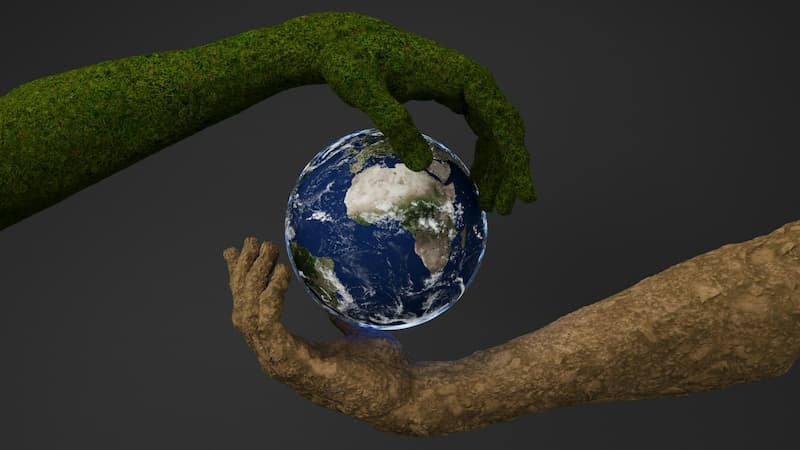
Now it is time to ask the final question. Can we really recreate a plastic-free Earth? Can this one small microbe discovered in nature become the magic key to saving us? Currently, scientists are staking their lives on maximizing the abilities of these microbes. Beyond just releasing them, research is actively underway to artificially improve the decomposition enzymes they possess.
In fact, through genetic engineering, they have succeeded in evolving the structure of enzymes to be sharper and faster. If it took days for natural microbes to break down plastic, we have now reached a stage where they can break down its form in just a few hours. This is a revolution that will completely change the paradigm of plastic waste treatment. We may no longer need to sigh at massive mountains of trash. Instead, we can dream of a perfect resource circulation system that returns plastic to its raw state using efficient enzyme tanks.
However, we must not stop here. Even if the technology becomes perfect, the most important thing is our consumption habits. Just because microbes treat our waste, it does not mean that we can continue to produce and discard plastic indiscriminately as we do now. Microbes are merely helpers silently cleaning up our past mistakes; they must not become tools to justify the irresponsibility of humanity. The true solution lies at the point where the amazing decomposition ability of microbes meets the efforts of humans to reduce plastic production.
We are currently at the most important environmental crossroads in human history. The miraculous evolution created by nature to protect its own ecosystem—now it is our turn to support that miracle. Plastic-eating microbes are not just simple bacteria. They are evidence of hope showing a new possibility where the Earth and humanity can coexist. The era of plastic is setting, and the era of a sustainable Earth led by biotechnology is arriving. Accelerating that change is ultimately our own choice and interest. What kind of future will you choose?
![[Bit#123] Miracle Substance in Sweet Wormwood Defeats Malaria](https://hiddenbitknowledge.com/wp-content/uploads/2026/08/main.Sweet-Wormwood-768x419.jpg)
![Cut a Planarian, and It Can Regrow Its Body. How? [Bit#178]](https://hiddenbitknowledge.com/wp-content/uploads/2026/10/main-image-2-767x428.jpg)
![[Bit#53] The Double Edged Sword of Biofuels: Humanity’s Savior or a Cruel Dilemma?](https://hiddenbitknowledge.com/wp-content/uploads/2026/06/fc96429034b1-768x431.jpg)
![[Bit#76] Leaf Quantum Code: 100% Light to Energy Secret](https://hiddenbitknowledge.com/wp-content/uploads/2026/06/main.plant-converting-light-into-electricity-768x419.jpg)
![[Bit#118] Hydroponics: The Science of Growing Plants Without Soil](https://hiddenbitknowledge.com/wp-content/uploads/2026/08/main.Hydroponics-768x512.jpg)
![[Bit#28] Messages from the Deep: How Extreme Survival Strategies Shape the Future of Humanity](https://hiddenbitknowledge.com/wp-content/uploads/2026/05/351f921afc8f-768x419.jpg)