[Bit#67] The Science of Dying: What Happens in Our Final Moments

1. The Definition of Death and Biological Shifts: The Final Physical Process
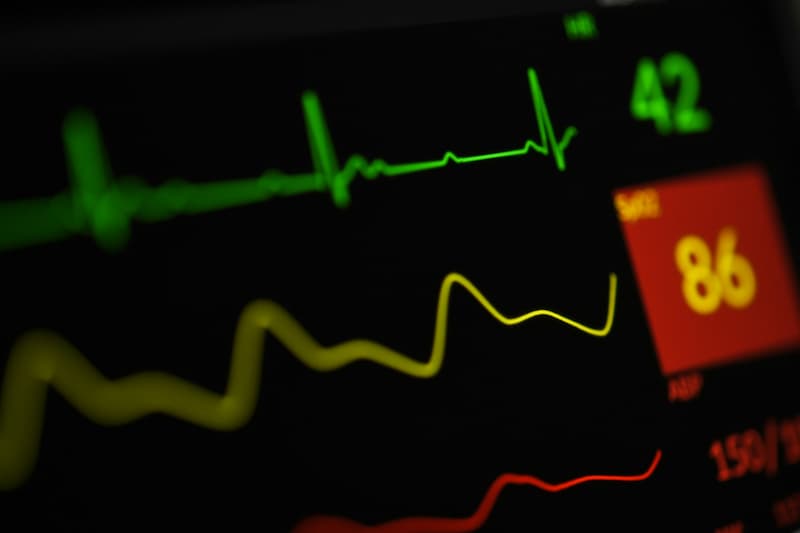
We often think of death as a single event: the moment the heart stops beating. However, from a biological perspective, death is a sophisticated, step-by-step process. Cardiac arrest is not the end of death; it is simply the final result of a collapsing bodily system. Our body fights to survive until the very last possible second. Why does this struggle manifest in such a specific way?
As the end approaches, the body makes radical choices to protect its most critical organs, the brain and the heart. It intentionally constricts peripheral blood vessels to restrict circulation. This is known as blood centralization. The goal is to shunt all remaining blood flow toward the heart and brain. Consequently, the hands and feet turn cold, and the skin may develop a mottled, patchy appearance called mottling. The body is essentially building its final defensive line by conserving energy.
The heart gradually loses its pumping efficiency. Blood pressure drops significantly, and the heart rate becomes erratic. Meanwhile, the lungs desperately communicate with the brain to compensate for oxygen deficits. The brain, struggling with hypoxia, loses control over respiratory centers. This leads to Cheyne-Stokes respiration, a pattern of deep, rapid breathing followed by periods of apnea. It is the body’s final structural signal, desperately trying to balance carbon dioxide levels in the blood.
Once this physical process concludes, cellular-level changes begin. When oxygen supply is permanently cut off, mitochondria, the energy factories of the cells, stop operating. The cells can no longer produce energy. They attempt to switch to anaerobic respiration, but metabolic failure inevitably leads to their dysfunction. Each cell eventually accepts the end, completing the shutdown of the entire system. Death occurs under this silent yet systematic order. Once this physical process finishes, the brain prepares to ignite one final, unexpected burst of energy. What is happening in the brain at that very moment?
2. The Final Spark: The Surge of Brain Activity Before Death
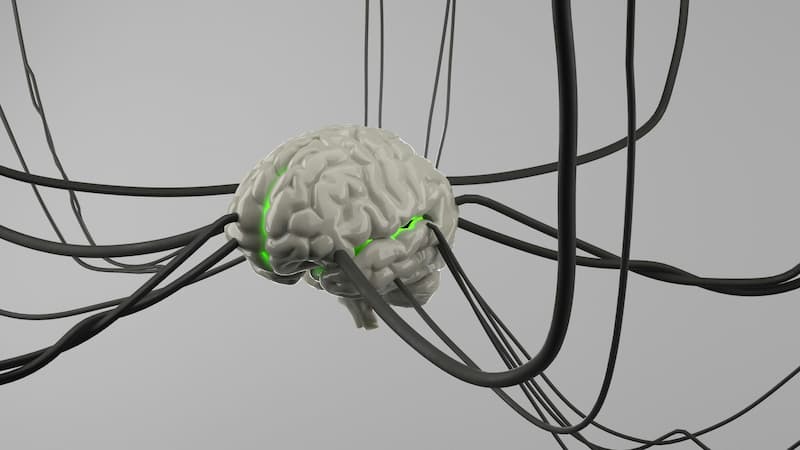
Does the brain shut down immediately when the heart stops and blood supply ends? Surprisingly, scientists have observed the exact opposite. Just before death, the brain exhibits powerful electrical activity, as if pouring out its remaining energy. This is often called the “final spark.” Why does this strange phenomenon occur?
Research indicates that a brain starved of oxygen and glucose initiates a final survival boot sequence. Neurons release abnormally high-frequency gamma waves. These waves are typically associated with memory retrieval and consciousness integration. They are much more intense and coherent than normal patterns. The brain mobilizes all remaining resources to cling to life.
In this brief moment, the brain may be rapidly replaying the film of stored memories. This is the biological mechanism behind what we commonly call a “life review” or “panoramic memory.” It unfolds like a final scene in a movie. It is a dramatic biological process where the brain uses its last remaining energy to preserve its consciousness.
Interestingly, this activity is not uniform across the entire brain. Intense signals are captured mainly in areas responsible for vision and hearing. Is this an instinct to see light or hear sound one last time in the darkness? Even in the extreme conditions of oxygen deprivation, the brain temporarily restores high-level cognitive functions. Just before marking the biological endpoint of death, the brain radiates its most intense energy. After understanding this, we realize that death is not just a fading light, but a process that flares brightly one last time. Why does the brain create such hallucinatory experiences during this process?
3. Near-Death Experiences and Neurochemical Mechanisms: The Scientific Basis of Peace
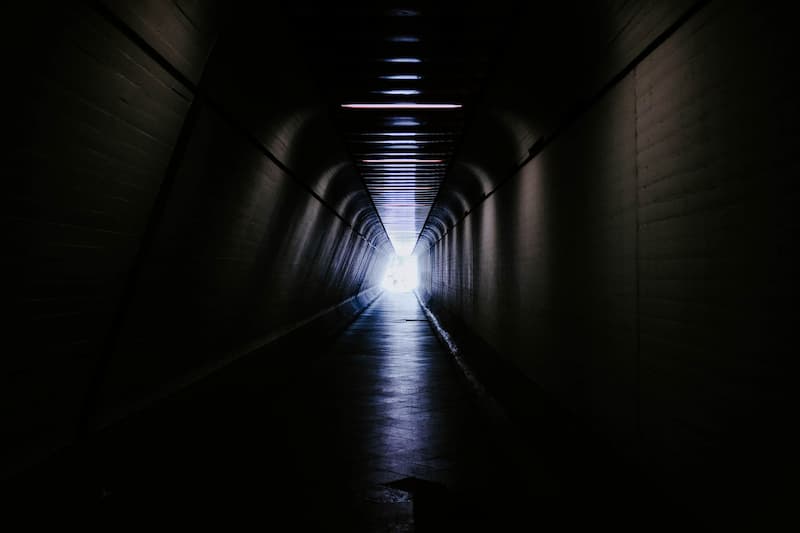
Many people report similar fantastical experiences during the moment of death. Seeing a bright light at the end of a tunnel, feeling a sense of floating, or watching past memories like a movie. These are often dismissed as spiritual mysteries. However, modern neuroscience explains these phenomena through brain chemistry. It is the brain’s final defense mechanism as it recognizes the onset of death. Why do these powerful hallucinations occur?
The most likely cause is a surge of neurotransmitters during extreme stress. When the brain is cut off from oxygen and glucose, it declares an emergency. The amygdala and hippocampus release massive amounts of endorphins to alleviate extreme anxiety. This creates a potent analgesic effect, eliminating pain and inducing surreal feelings of peace and euphoria. This is why patients, who may have been in distress, suddenly become peaceful before passing away. The brain is, in effect, self-anesthetizing.
Additionally, the temporal lobe undergoes changes. The temporal lobe integrates our spatial awareness and sense of self. When its activity is disrupted by hypoxia, it can trigger out-of-body experiences, where it feels as if one is floating outside the body or looking down from the ceiling. It is an illusion caused by the brain’s inability to process spatial sensory data correctly.
Why does the “life review” happen? As the hippocampus, our memory storage, is temporarily activated, suppressed memories resurface in a disorganized manner. The brain filters through meaningful information until the end, attempting to prove its existence. These brilliant hallucinations at the threshold of death might be the brain’s final act of comfort for us. With the cold scientific truth behind these mystical phenomena revealed, we now move to the final stage: cellular-level decline and the post-mortem process.
4. Cellular Termination and Post-Mortem Changes: The End of Organ Function
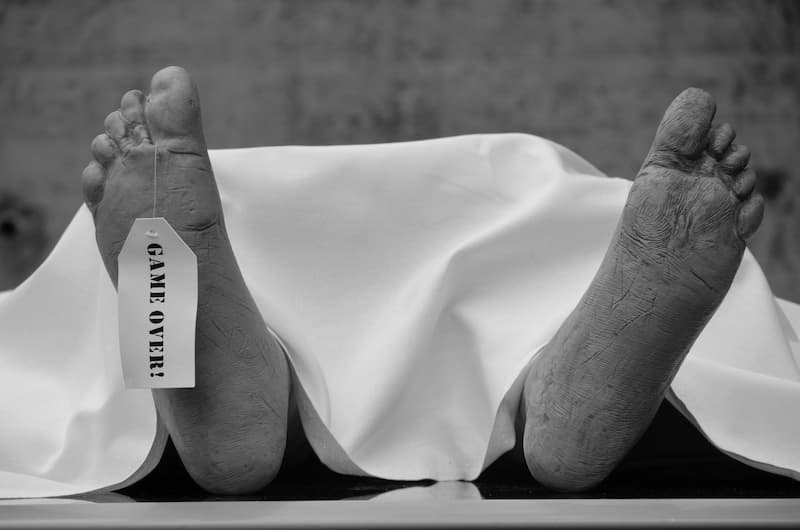
Just because the heart and brain have stopped does not mean every cell in our body vanishes immediately. Death is a long journey starting from the collapse of a massive system and leading to the disintegration of tiny cells. Now, the body sheds the order that maintained it and begins to decompose according to the laws of nature. What changes occur in this final stage?
The first arrival is the lack of energy. Cells deprived of oxygen can no longer produce ATP. Internal cellular pumps stop, leading to ionic imbalances. At this point, organelles within the cell, particularly lysosomes, are destroyed. Lysosomes are the digestive organs that process cellular waste. When they rupture, their powerful digestive enzymes begin to destroy the cell from within. This is known as autolysis.
Over time, the body undergoes temperature changes. To reach equilibrium with the external environment, body temperature drops, a process called algor mortis. Blood settles in the lowest parts of the body due to gravity, creating reddish spots on the skin known as livor mortis. The muscles also undergo changes. This is rigor mortis. As calcium regulation in the cells fails, muscle fibers lock into a contracted state.
Eventually, the proteins and organic matter composing our body are broken down by microbes. It is a process of losing identity as a living organism and returning to nature. Human life maintains order by consuming vast amounts of energy, and through death, it returns that energy back to nature. Does it seem tragic? This is the grand cycle of the ecosystem and the moment when the physical laws of life reach their completion. Biologically viewed, death is not an end, but the beginning of new energy.
![[Bit#167] Why Does the Heart Never Get Tired Even After Beating for a Lifetime?](https://hiddenbitknowledge.com/wp-content/uploads/2026/09/main.heart_-768x384.jpg)
![[Bit#79] Electricity Conducting Bacteria: Earth’s Hidden Battery](https://hiddenbitknowledge.com/wp-content/uploads/2026/07/main.Geobacter-768x419.jpg)
![What Makes a Species Different? [Bit#187]](https://hiddenbitknowledge.com/wp-content/uploads/2026/10/main-image-10-767x428.jpg)
![[Bit#10] The Law of Viral Evolution: Why Are They Getting Deadlier?](https://hiddenbitknowledge.com/wp-content/uploads/2026/04/f00076102e67-768x512.jpg)
![[Bit#33] The Secret of Hairless Skin: Why Did Humans Abandon Their Fur?](https://hiddenbitknowledge.com/wp-content/uploads/2026/05/30e0d6220515-768x429.jpg)
![When Does Human Development Really Begin? [Bit#184]](https://hiddenbitknowledge.com/wp-content/uploads/2026/10/main-image-7-767x428.jpg)